
 Tiếng Việt
 Home
 Introduction
 Announcements
 Student Essential
 Event attendance lists
Nearly 1 out of every 5 questions submitted by Vietnamese users to Gemini is related to academics… This is one of the intriguing insights revealed by Google during the “Gemini Academy” Workshop and the announcement ceremony of “The Gemini Report | Southeast Asia 2026” held at Nguyen Tat Thanh University.
Data presented in “The Gemini Report | Southeast Asia 2026” shows that every month, more than 160,000 students in Vietnam use the exam preparation feature on Gemini Canvas. On a typical day, educators in Vietnam generate over 55,000 prompts related to teaching activities. These numbers clearly demonstrate that AI has established a strong presence in searching for study materials, solving assignments, preparing for exams, conducting research, and creating instructional content.
The growing popularity of artificial intelligence tools simultaneously presents higher education with a more challenging question. As technology can rapidly generate text, synthesize literature, analyze data, and propose ideas, how should students be prepared to leverage the power of AI without surrendering their entire thinking process to machines?
This was also the central theme throughout the program held at the An Phu Dong campus of Nguyen Tat Thanh University. Consequently, Gemini Academy was not conducted as a mere product feature showcase. Students were guided through recognizing AI in daily life, crafting effective prompts, searching for and verifying information, to visualizing data, developing products, and defending their results before a judging panel. Technology served a supporting role, while learners remained the primary subjects who defined objectives, selected methods, and took responsibility for the final decisions.
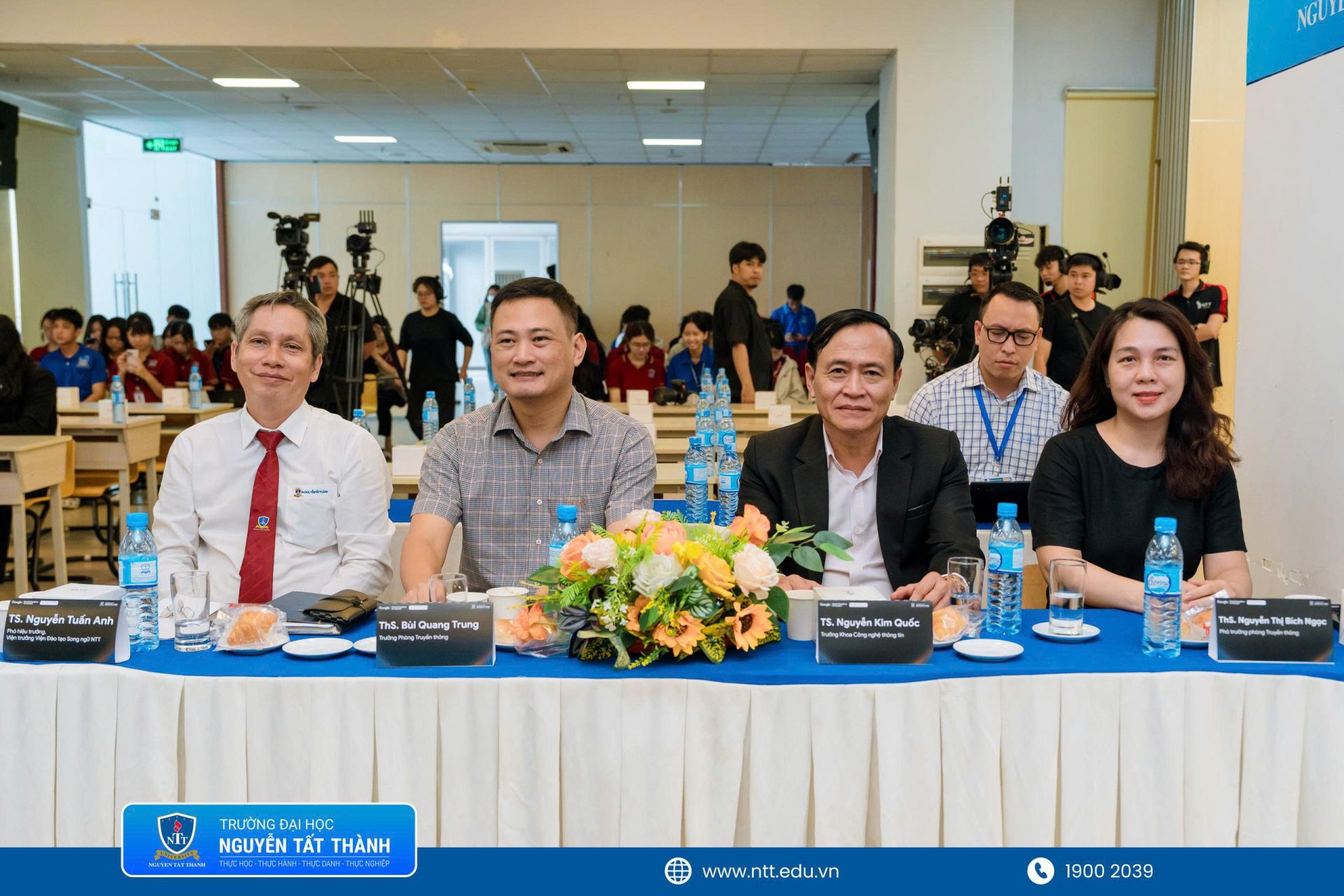
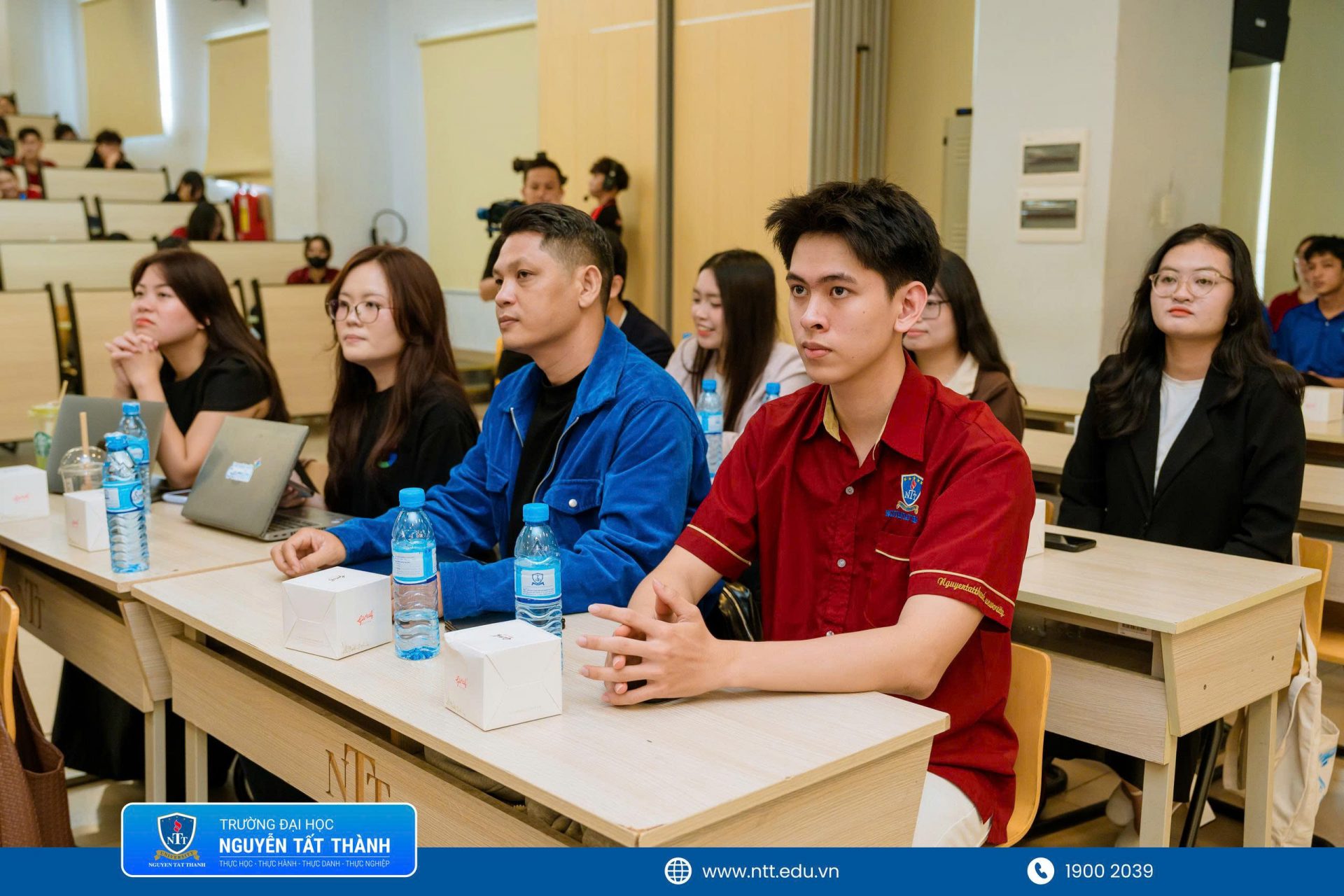
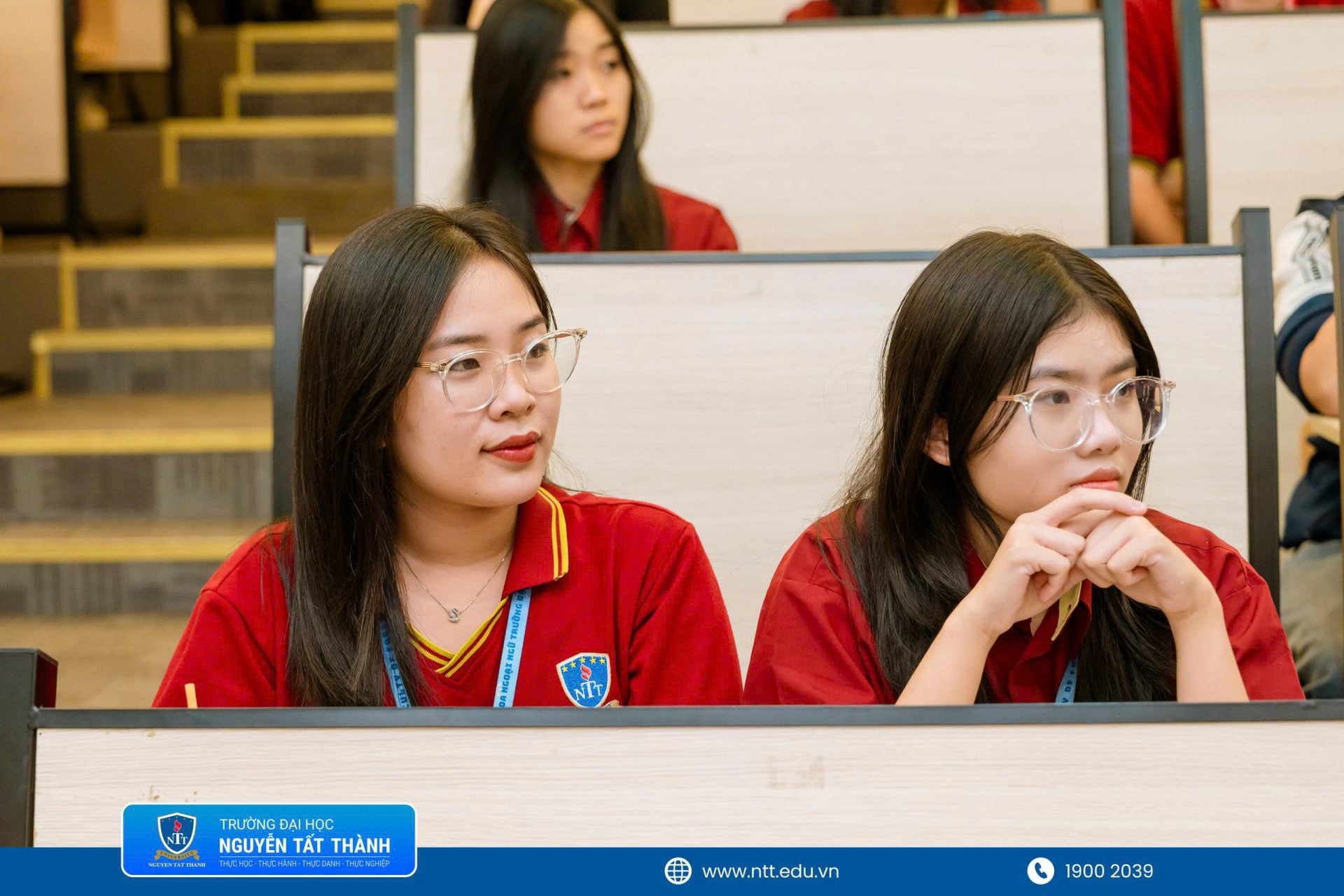
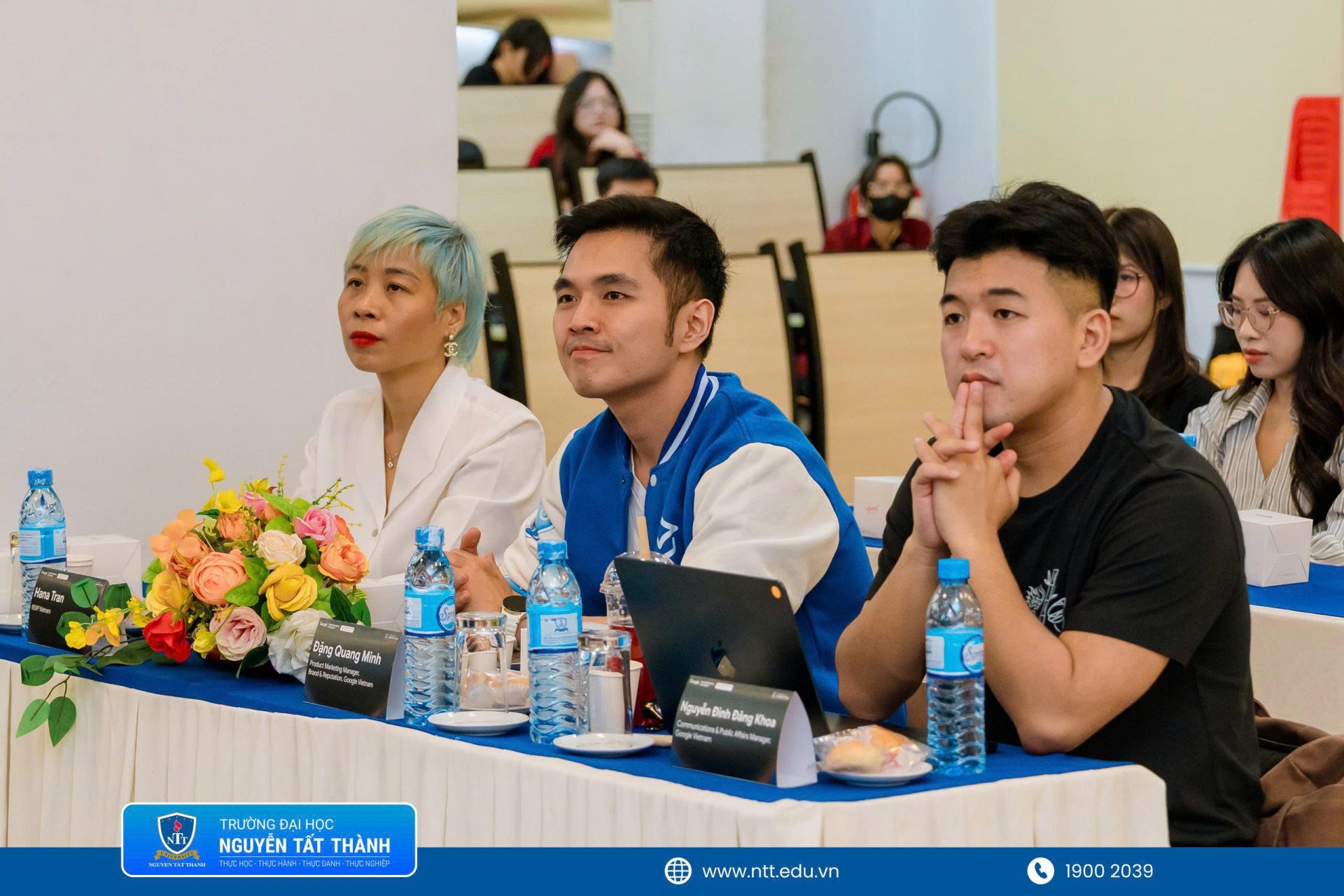
The “Gemini Academy” Workshop and “The Gemini Report | Southeast Asia 2026” Launch Ceremony created a space for NTTU students to approach artificial intelligence from learning, research, and practical application perspectives
When AI becomes part of the university lecture hall
“The Gemini Report | Southeast Asia 2026” was compiled based on user interaction data from the Gemini app and web platform in Q1/2026 across 6 markets: Vietnam, Indonesia, Malaysia, the Philippines, Singapore, and Thailand. According to the published figures, Gemini has over 900 million monthly active users globally; in Southeast Asia, the active user base doubled within one year. Gemini was also the most searched AI assistant in Vietnam, Indonesia, and Thailand during the survey period.
Young users in Southeast Asia tend to send more requests, maintain longer conversations, and write more detailed prompts compared to other age groups. Approximately 40% of prompts use Gemini as a creative partner to generate images, videos, music, or new documents; around 20% use it as a research assistant; and about 10% regard Gemini as a thinking partner during reasoning, seeking feedback, or problem-solving.
Vietnam leads the region in the proportion of prompts written in its native language, reaching 89%, while also ranking first in Southeast Asia for academic-related prompts. However, a high adoption rate does not automatically translate into an educational advantage. True value is realized only when learners know how to transform technological convenience into self-directed learning capability, information verification, and problem-solving skills.
Against this regional backdrop, Gemini Academy at NTTU focused not on how many features students learned, but on how they utilized the tools within a guided process and took responsibility for the results. To create this immersive experience, the event gathered representatives from Google Vietnam, the Gemini Academy implementation team, Google Student Ambassadors, the content creator community, alongside leaders and department experts from Nguyen Tat Thanh University.
Representing Google Vietnam were Mr. Nguyen Dinh Dang Khoa – Communications & Public Affairs Lead; and Mr. Dang Quang Minh – Product Marketing Manager, Brand & Reputation. Joining the program were Ms. Hana Tran – representative of the Gemini Academy for Students Organizing Committee; and three Google Student Ambassadors: Vo Ngoc Tuong Vy – student at Nguyen Tat Thanh University, Bui Thu Trang, and Huynh Van Men, who directly conducted guidance sessions ranging from prompt engineering to applying Gemini in studying, research, and work.
Expanding perspectives from technical platforms to professional practice and creativity, the program also featured creator community participants including Mei Mei, Gem Song Nghe, LV Mai Chi, Muoi Hoc Duoc, Nga Dong Day, Puni Di Lam, Canh Luan Nguyen, Huy Nguyen Mr AI, Davos Lingo, Nguyen Hoang Phuong Linh, Studeiz, Minh Anh Annie, Hong Phuong, Hieu duoi kinh hien vi, Chau Giang ne, Huu Duy, Quoc Khanh, Tri Nhan, Phuong Doan, Phuong Linh, Dang Thuy Linh, Study Wen, Tran Nguyen, Phan Trung Hau, Chill with Dan, Tai Xai Tech, Nam Phuong Oxford, Bao Ly, TaiOn, Eric Tho, and Mike Like Design. Among them, several content creators directly mentored student teams during challenge rounds, helping learners approach AI from diverse practical angles.
Representing Nguyen Tat Thanh University were Dr. Nguyen Tuan Anh – Vice President, Director of NTT Institute of International Education; Dr. Nguyen Kim Quoc – Dean of the Faculty of Information Technology; M.A. Bui Quang Trung – Head of the Communications Department; M.A. Nguyen Thi Bich Ngoc – Deputy Head of the Communications Department; and M.A. Tran Thi Thuy Kieu – Director of the Information & Library Center. The presence of university leaders and specialized departments showed that Gemini Academy was aligned with the university’s broader strategy of enhancing digital competency, boosting practical experience, and bridging market developments with the educational environment.
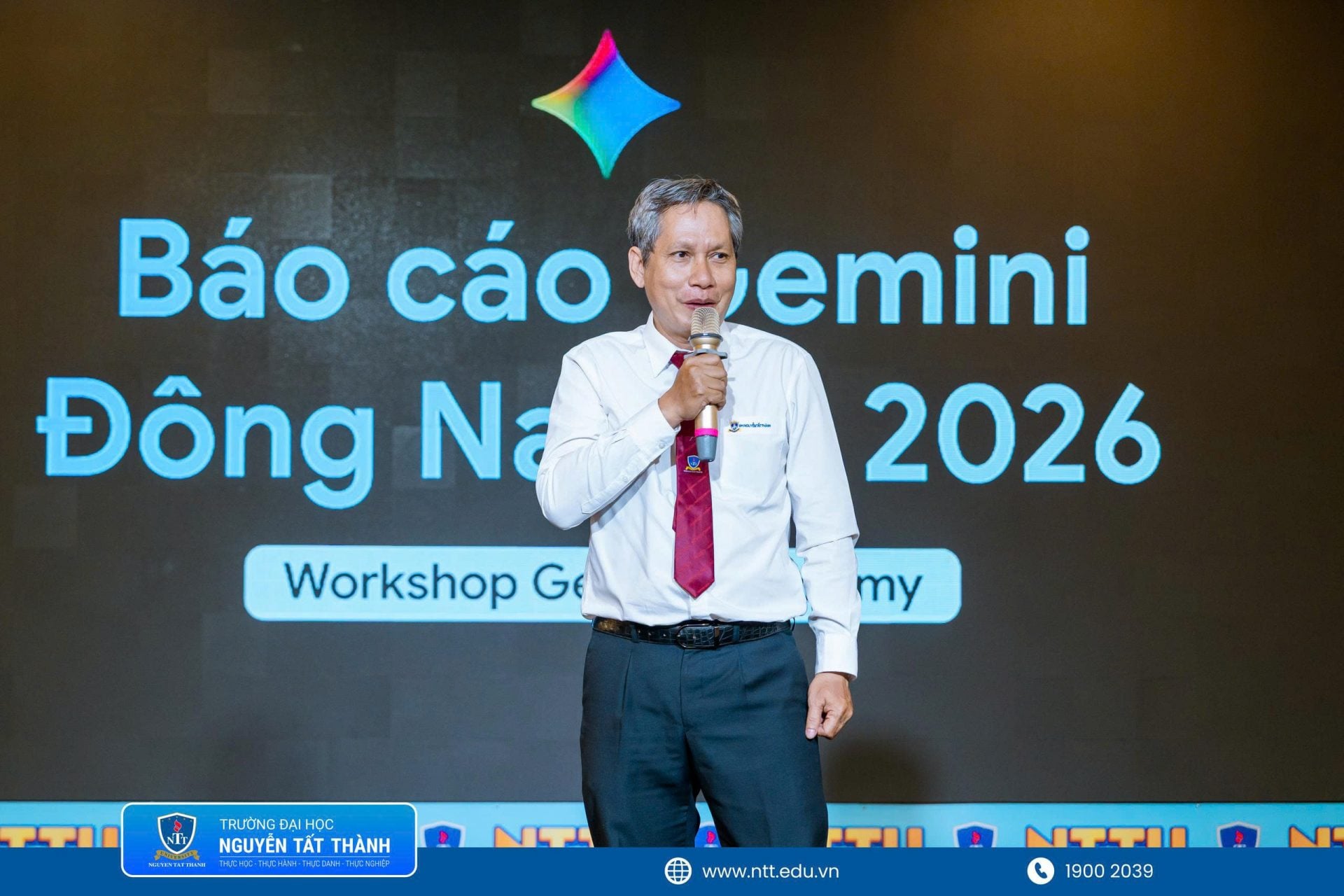
Dr. Nguyen Tuan Anh – Vice President, Director of NTT Institute of International Education – sharing insights on equipping students with digital competency, critical thinking, and adaptability amid rapid AI developments
From this perspective, the conversation is no longer about how much Vietnamese users are using AI, but shifts to the responsibility of universities in the face of rapid technological change. Speaking at the event, Dr. Nguyen Tuan Anh – Vice President, Director of NTT Institute of International Education – remarked that artificial intelligence is driving a profound transformation worldwide, with Southeast Asia emerging as a region with rapid adoption rates.
The fact that Vietnamese users pay significant attention to academic and technical content shows that AI has become a practical support tool in studying, teaching, and research. According to Dr. Nguyen Tuan Anh, this shift creates a necessity for higher education to proactively equip learners with digital skills and the ability to leverage AI effectively, safely, and responsibly.
As machines take over more routine tasks related to finding, synthesizing, and reproducing information, the focus of education must also shift. Instead of solely evaluating memorization capacity, universities need to empower students to ask questions, identify problems, assess data reliability, connect information to real-world contexts, and justify their choices. These core competencies do not depend on a specific platform and retain their value even as technology evolves.
At Nguyen Tat Thanh University, this vision aligns with the educational philosophy: “Real Learning – Real Practice – Real Prestige – Real Career”. Strengthening ties with enterprises and tech partners is therefore not merely about introducing new tools into lecture halls, but also about helping the university keep pace with market changes, identify career demands, and transform collaborative resources into concrete learning experiences for students.
“Technology will continuously evolve, but the capacity to learn, adaptability, and critical thinking remain the most sustainable assets each individual must cultivate,” Dr. Nguyen Tuan Anh emphasized.
This message clearly defines the relationship between learners and technology. Gemini can assist during the search, research, and creative process, but students must still verify information, make decisions, and remain accountable for their final output. Guided by this principle, the modules of Gemini Academy were structured into a seamless journey, starting with asking the right questions and progressing toward the ability to defend results.
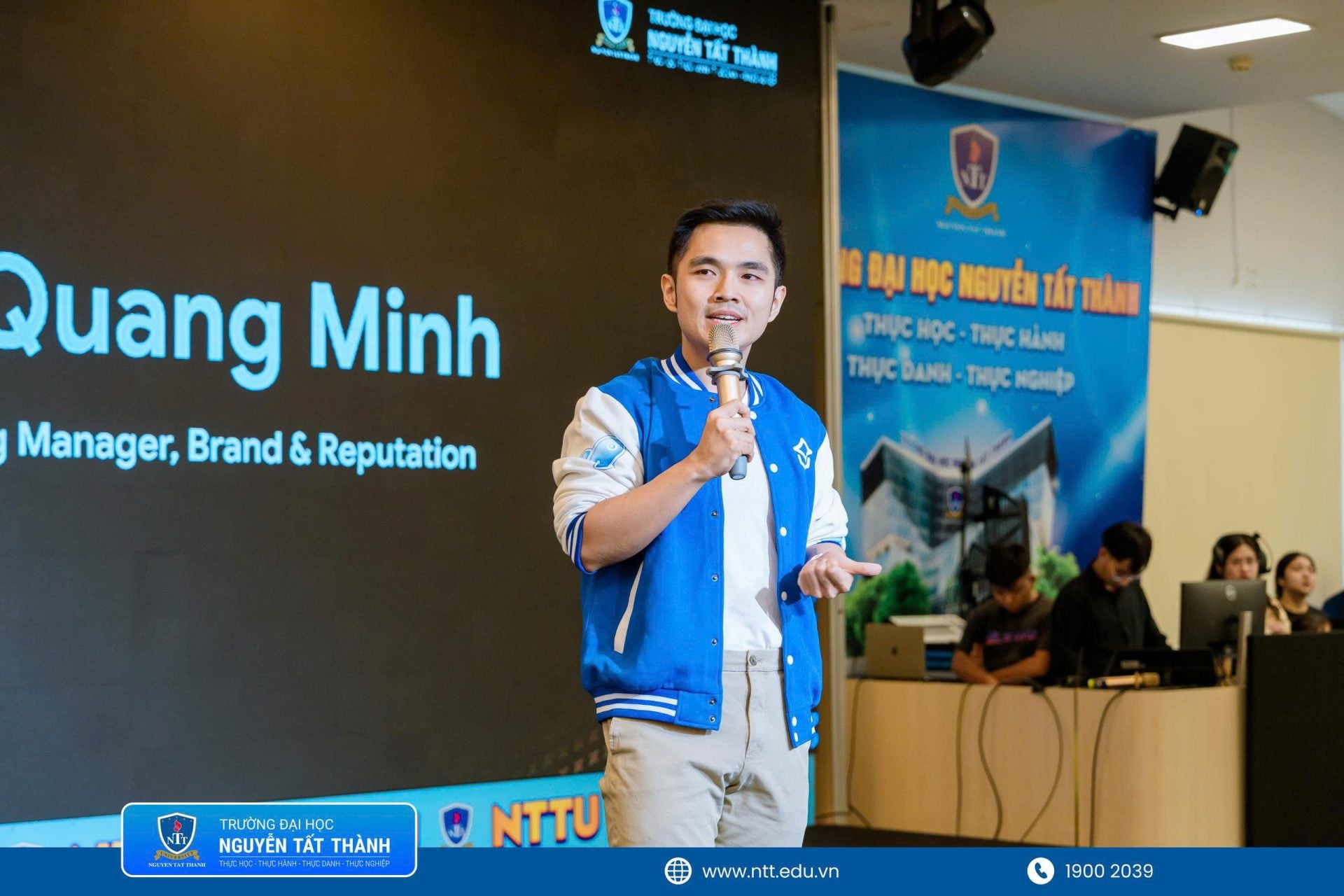
Mr. Dang Quang Minh – Product Marketing Manager, Brand & Reputation, Google Vietnam – presenting key data from “The Gemini Report | Southeast Asia 2026” regarding Gemini usage trends in Vietnam and Southeast Asia
From a single prompt to a verified learning workflow
Opening the workshop, GSA Trainer Vo Ngoc Tuong Vy – student at Nguyen Tat Thanh University – introduced an overview of artificial intelligence and helped learners recognize AI through familiar applications like Gmail, Google Maps, YouTube, and Google Translate. Having an NTTU student directly lead a training module demonstrated how learners can step-by-step transition from knowledge recipients to sharing tech skills with their community.
Google Student Ambassador Vo Ngoc Tuong Vy, NTTU student, guiding participants on recognizing AI presence in daily life and designing prompts tailored to specific goals
Following the introduction, two GSA Trainers Bui Thu Trang and Huynh Van Men directly conducted the main training content. Students were taught prompt design framework by defining AI’s role, task, context, target audience, and output format. Initial outputs were treated not as final products, but as starting points requiring additional context, adjusted instructions, and relevance checks.
Building on prompt engineering skills, learners explored Deep Research to gather and synthesize information from multiple sources through a case study examining psychological barriers when learning and presenting in English. Information provided by AI still required reading, cross-checking, and filtering before application.
Students then used Canvas to transform data into presentation slide decks, refining layout, visual elements, and information density per page. The seamless integration between Deep Research and Canvas proved that data gains value only when selected, organized, and presented effectively to meet specific goals.
Beyond research tasks, students were guided on utilizing Gemini within Google Workspace and Gems to draft emails, summarize documents, construct presentation outlines, practice job interviews, and manage schedules. Through real-world scenarios, learners progressively established a verified AI workflow: defining requirements, retrieving information, organizing data, and applying results to study and work.
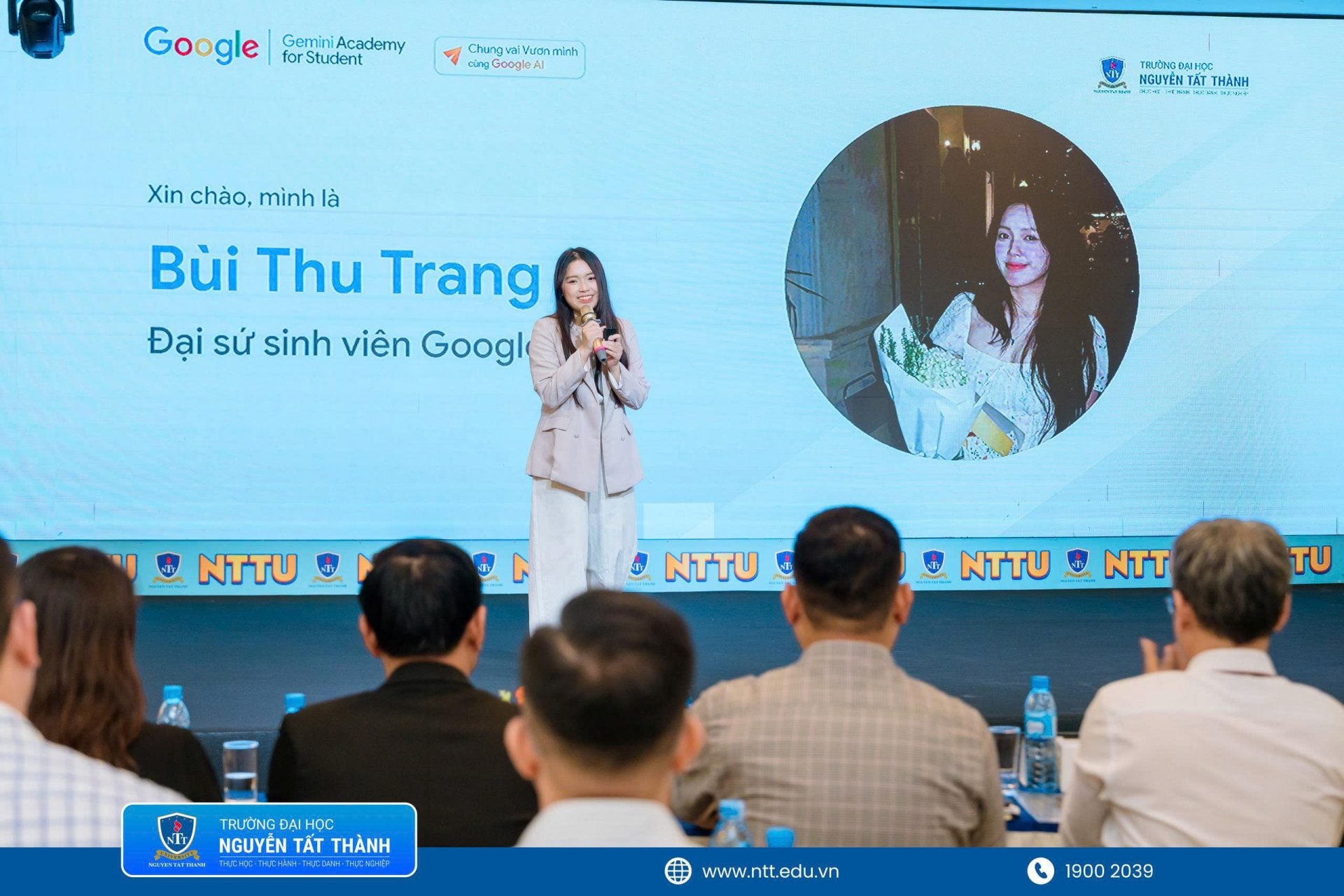
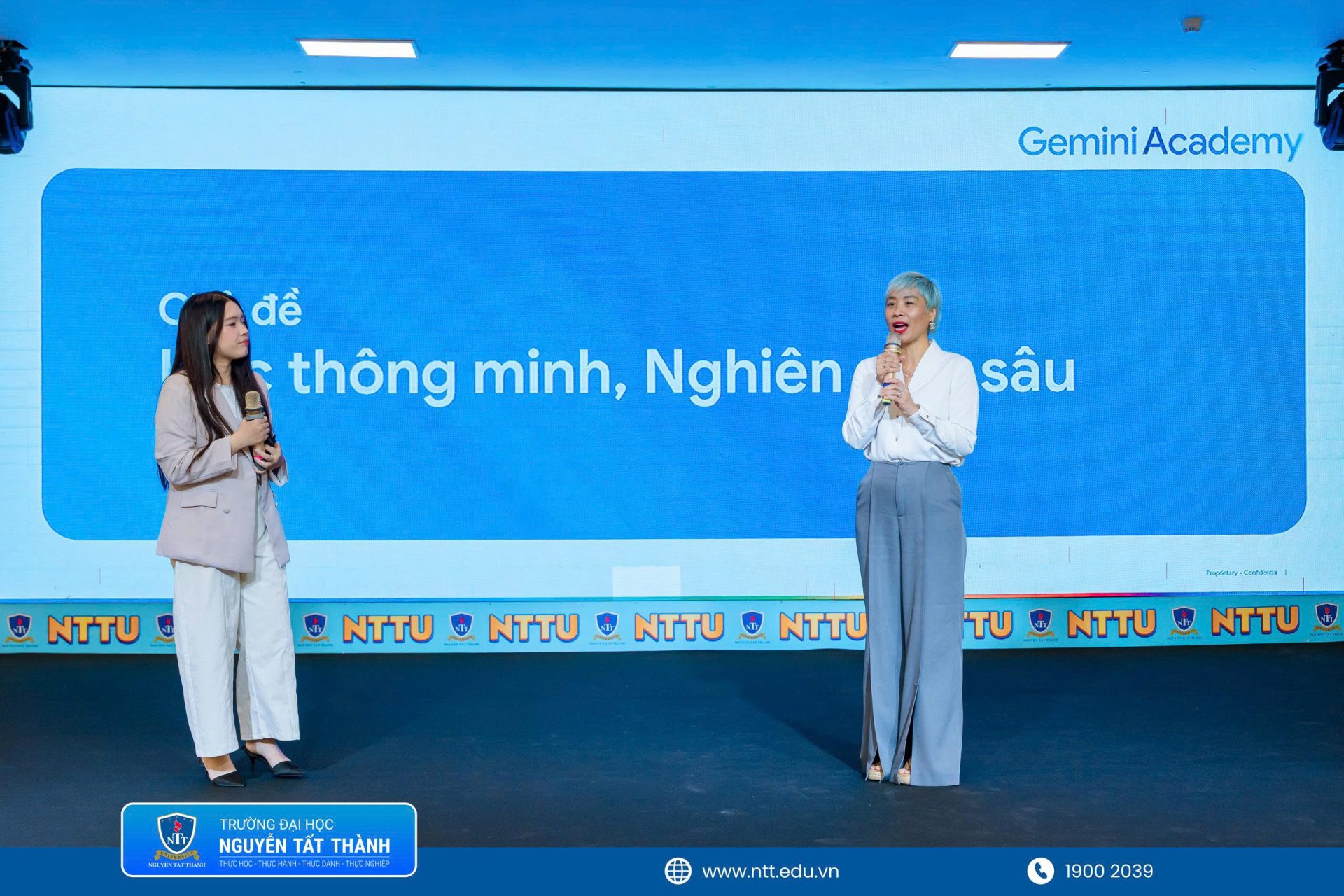
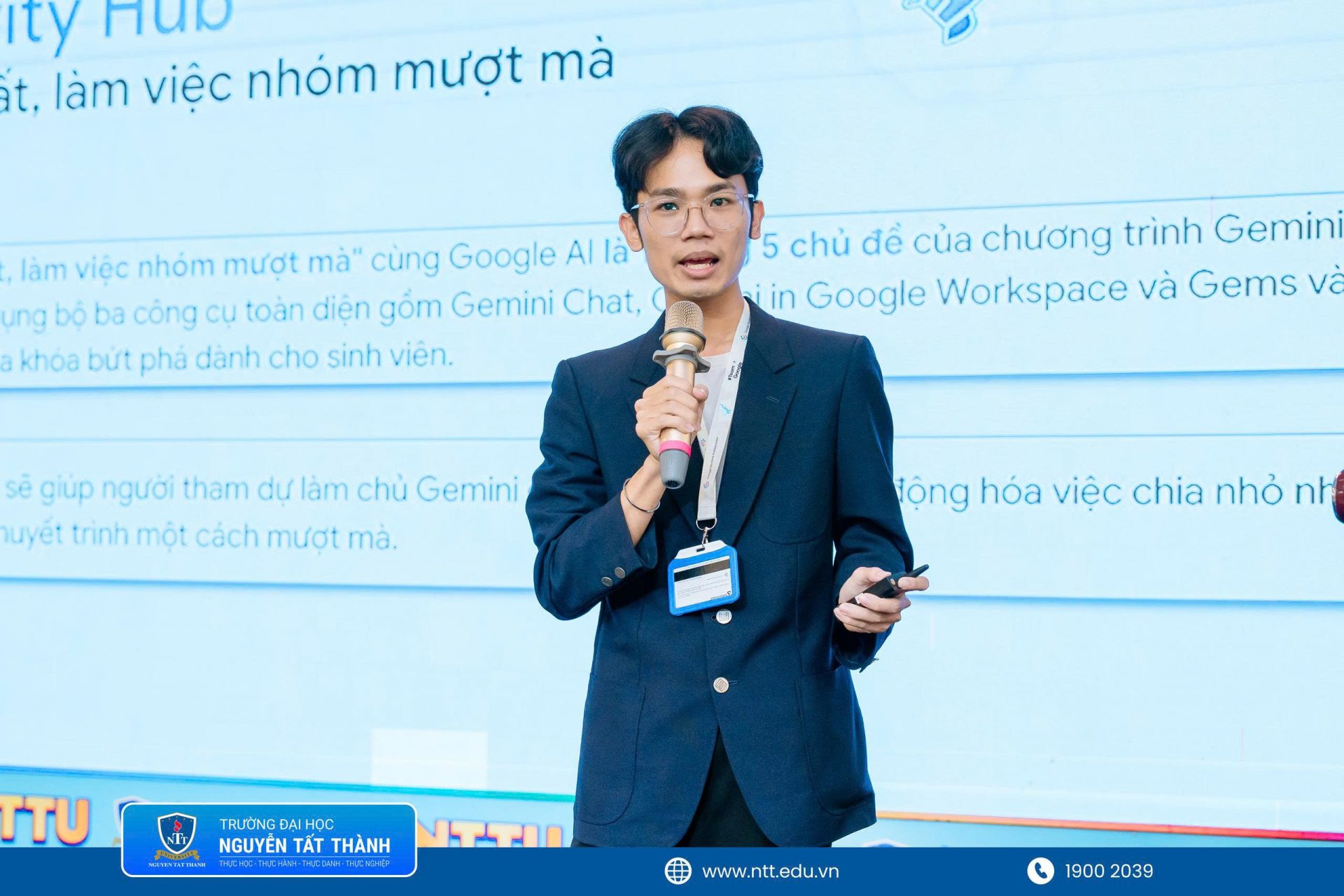
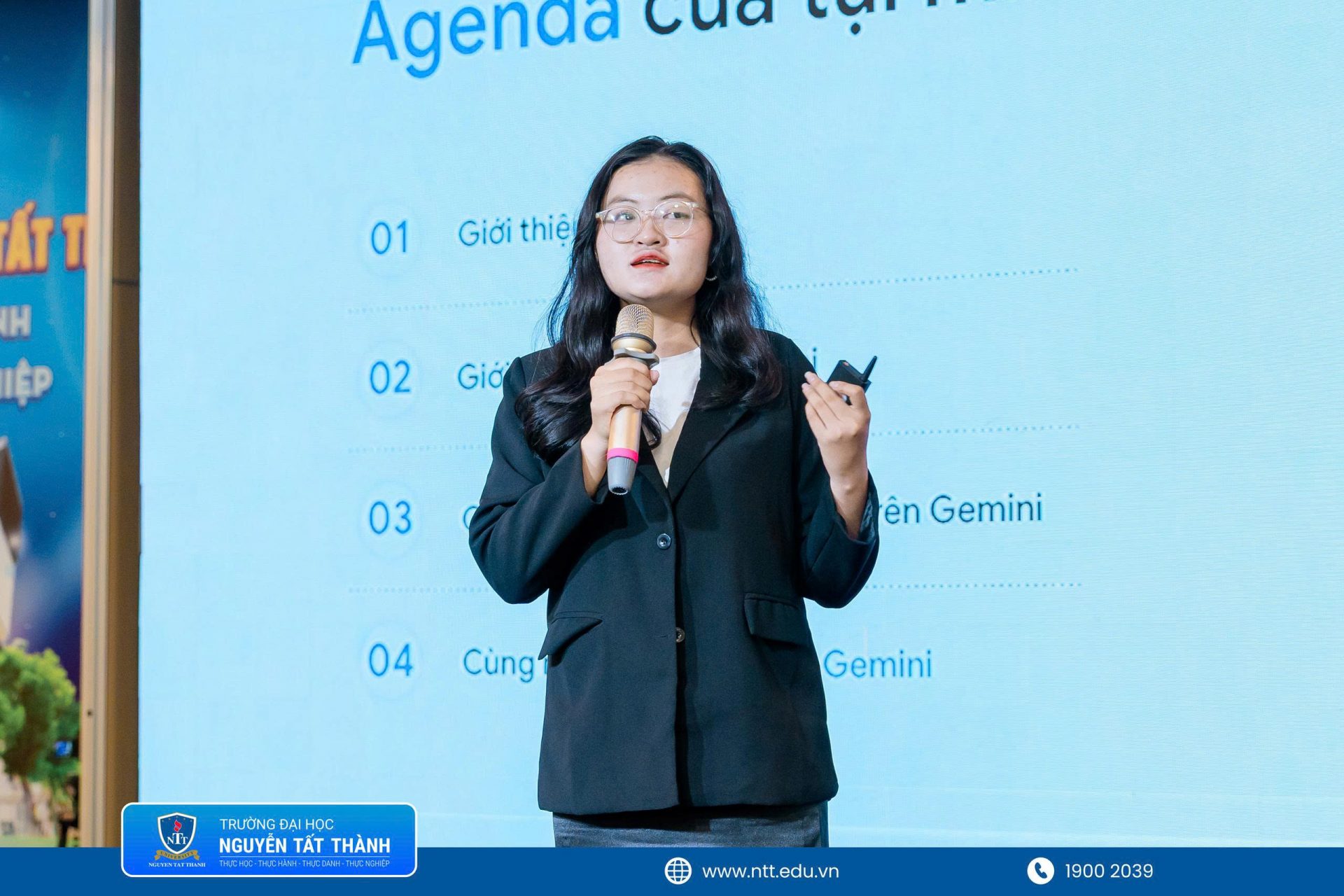
GSA Trainers Bui Thu Trang and Huynh Van Men guiding students on exploiting Deep Research, Canvas, Google Workspace, and Gems to search, organize information, and apply Gemini in studies, research, and work
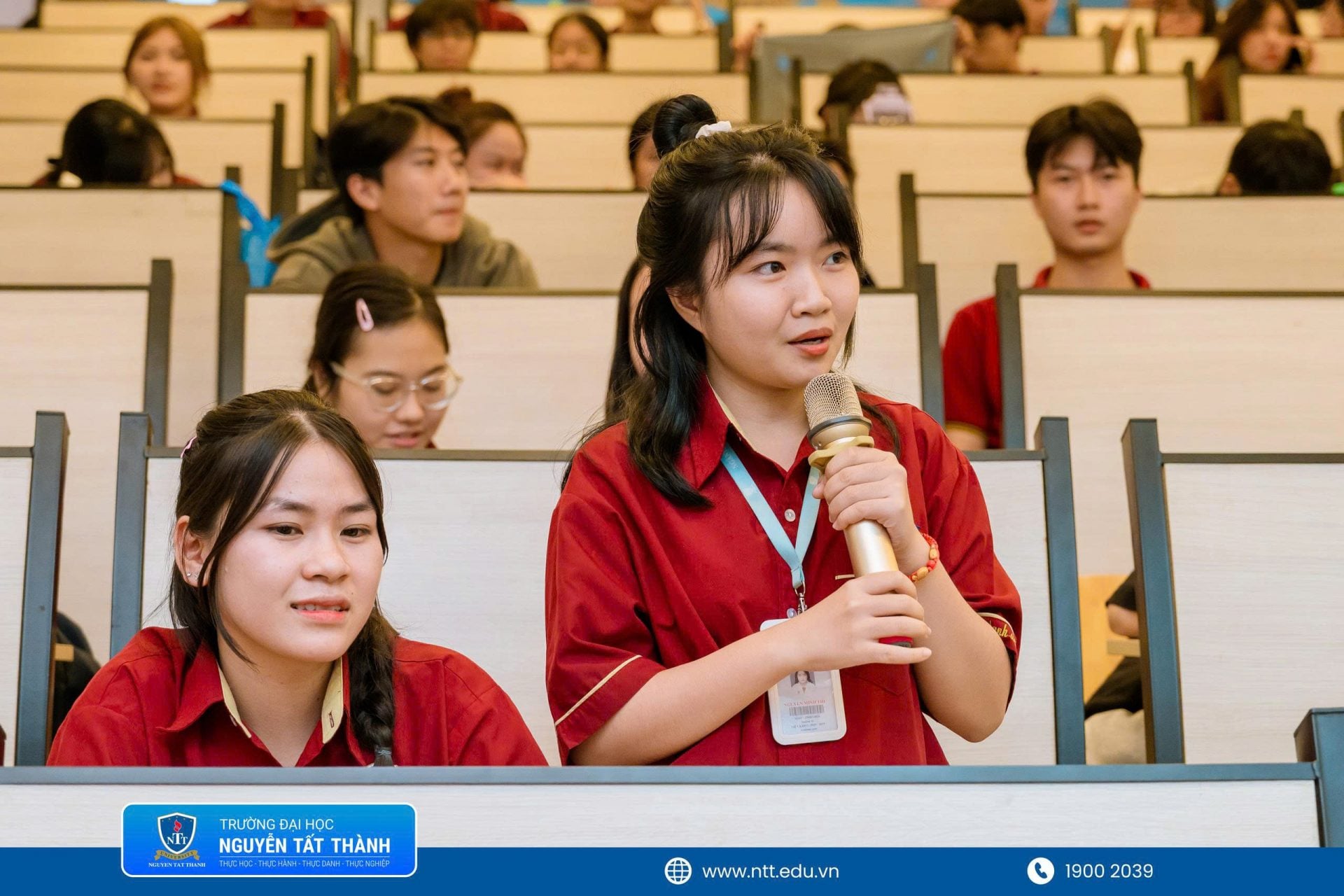
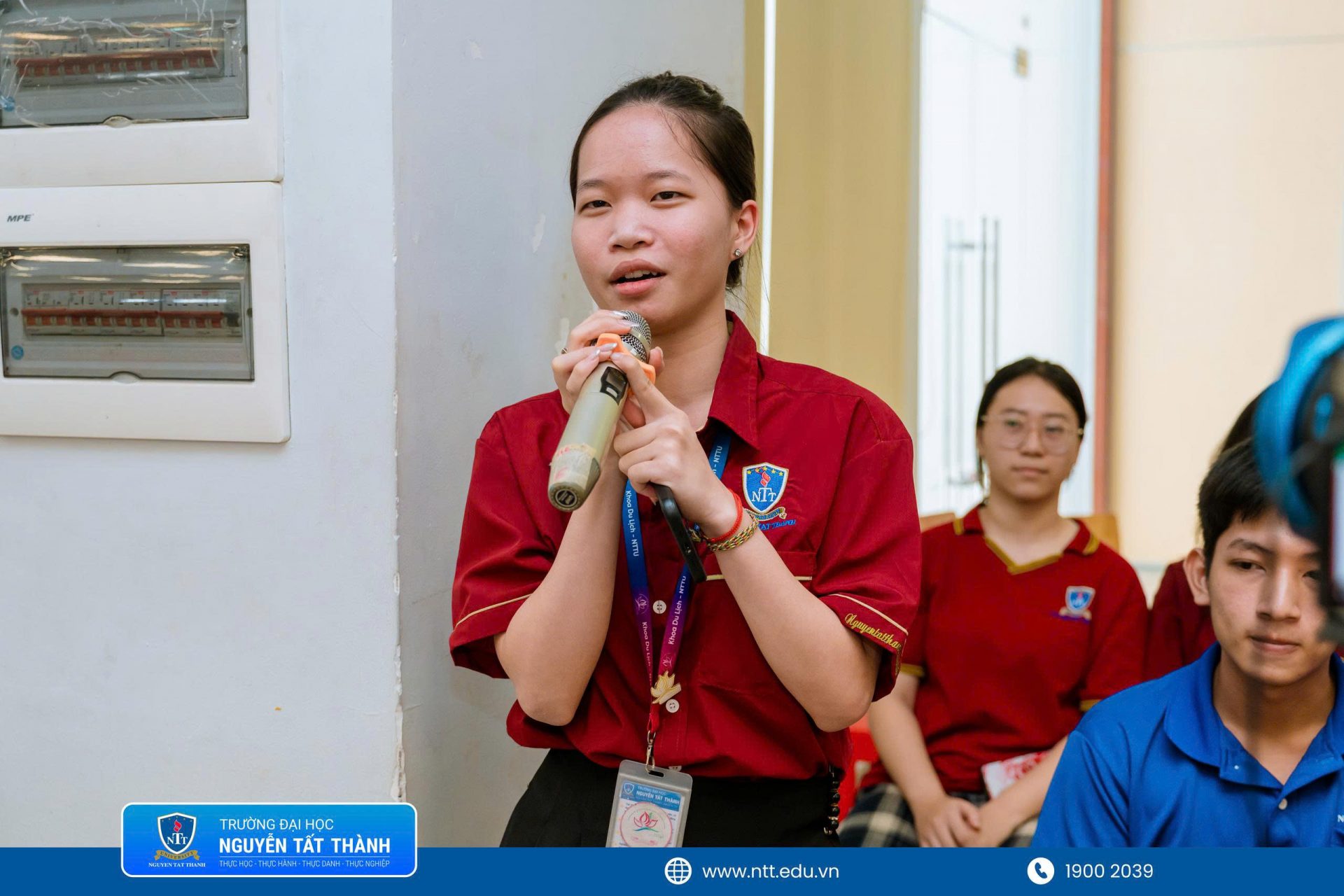
Students directly asking questions and engaging in discussions with GSA Trainers, resolving queries encountered while using Gemini for learning, research, and work
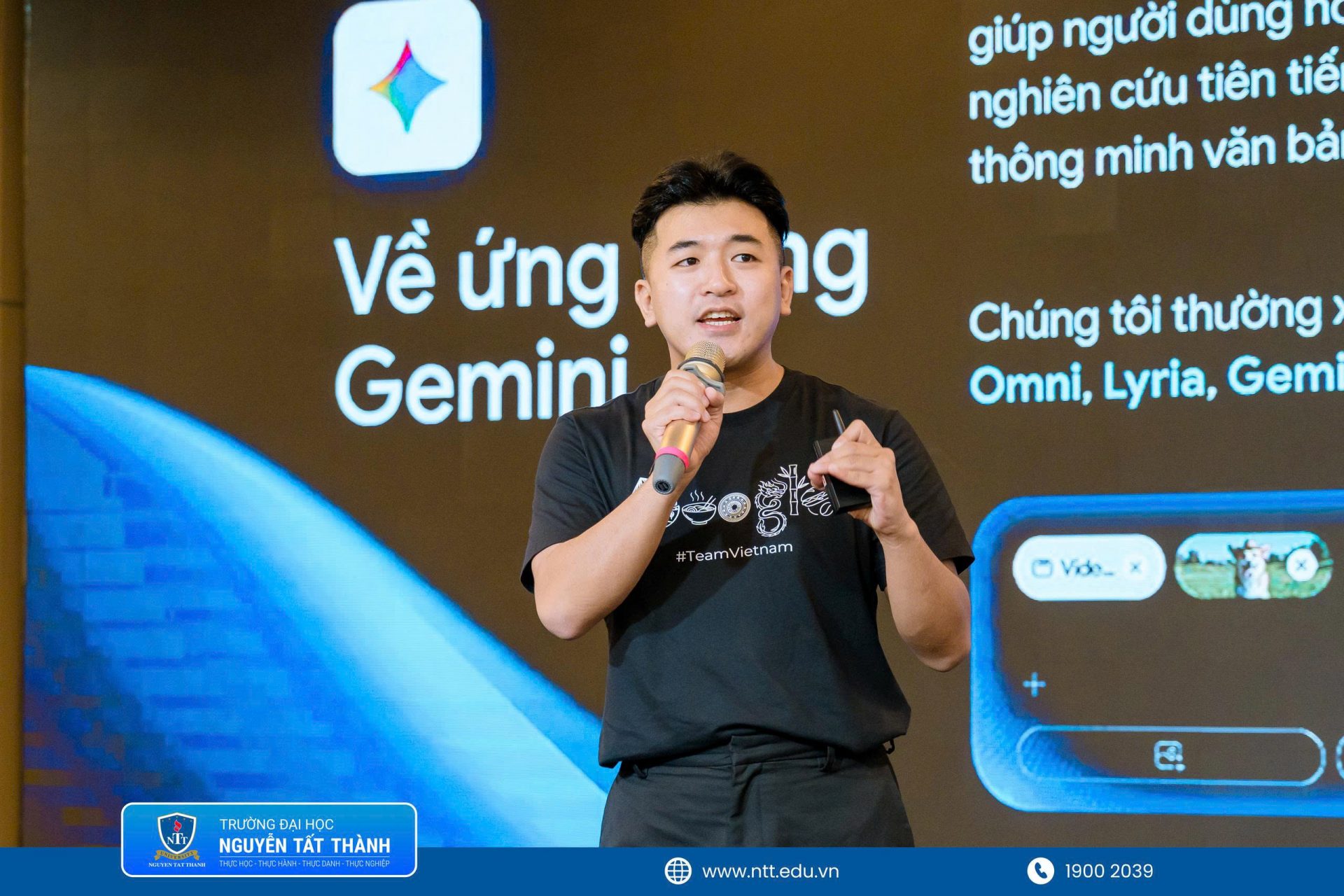
Mr. Nguyen Dinh Dang Khoa – Communications & Public Affairs Lead, Google Vietnam – presenting “The Gemini Report: Southeast Asia 2026”, highlighting key data on Gemini adoption trends in Vietnam and the region
Transforming tech experiences into long-term adaptive competence
In the final challenge of the program, teams combined Deep Research to synthesize insights and Canvas to design deliverables. Results were compiled into short videos, then presented and defended before a panel of judges. Projects were evaluated not only on visual presentation but also on idea originality, problem-solving approach, data-to-insight conversion, level of polish, and stage persuasion skills.
To help students apply tools to relatable real-life problems, the organizing committee paired 10 content creators into 5 mentor duos. Miss Universe Vietnam 2025 Nguyen Hoang Phuong Linh and Mei Mei mentored on Gen Z time management to prevent burnout. Gem Song Nghe and Muoi Hoc Duoc supported teams in personal branding, content channel development, and value creation while still in university.
For the remaining topics, Nga Dong Day and Huy Nguyen AI guided students on presenting competence in job application profiles; Canh Luan Nguyen and Puni Di Lam focused on methods to enhance memory retention; while Davos Lingo and LV Mai Chi collaborated with teams to analyze links between nutrition, physical exercise, and mental focus. The prompts, though distinct, all stemmed from common challenges faced by young people such as time pressure, academics, job applications, personal brand, and physical performance.
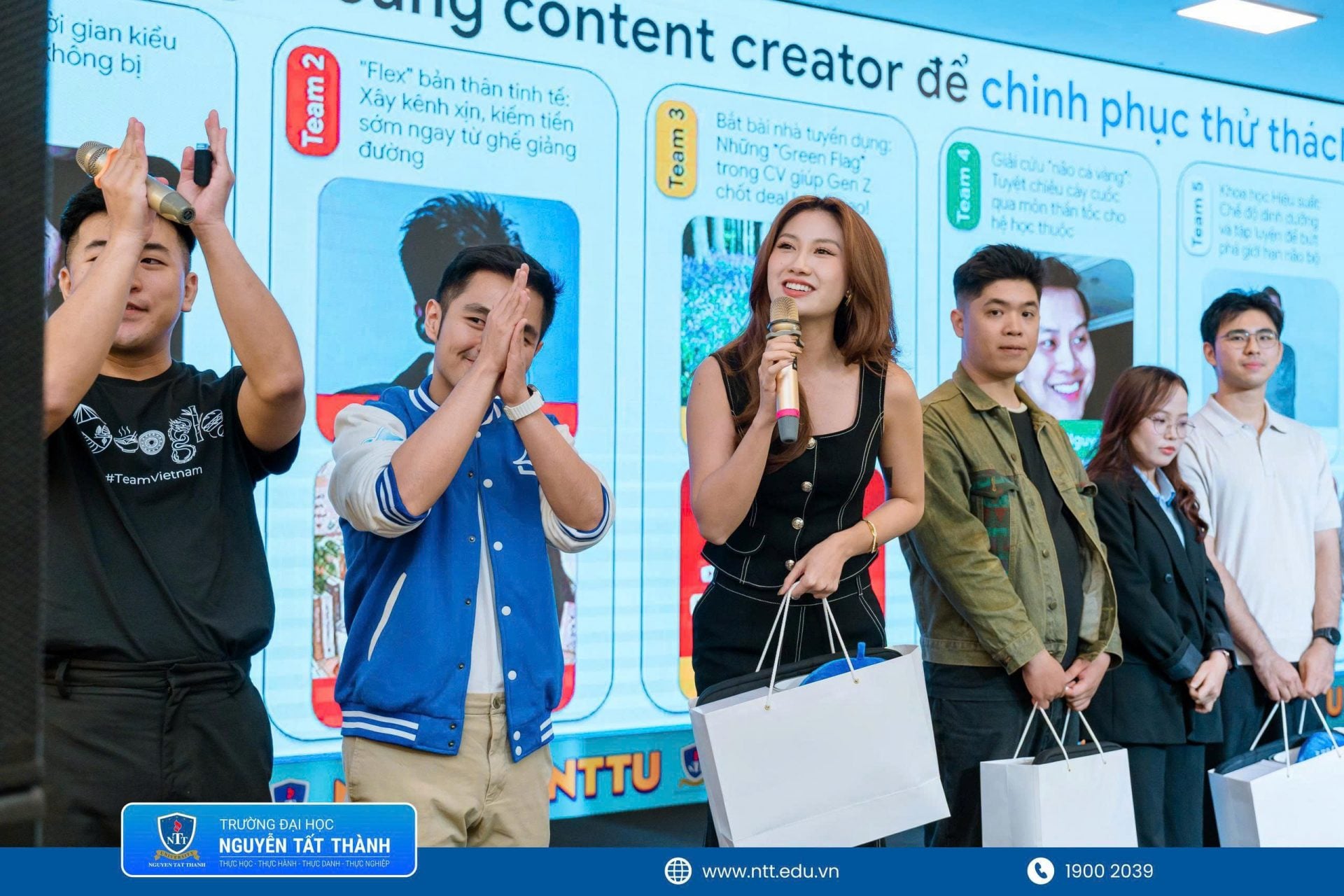
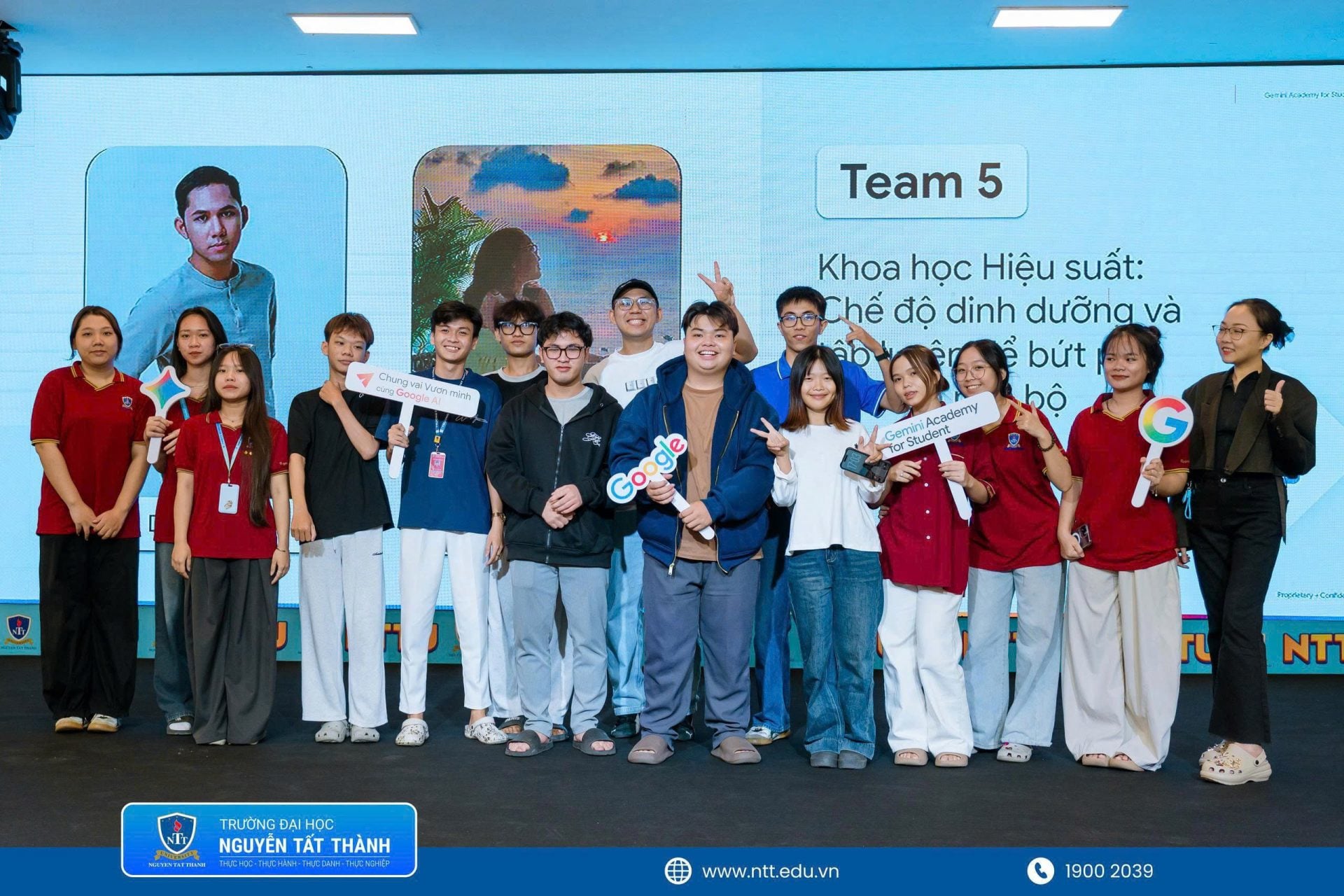
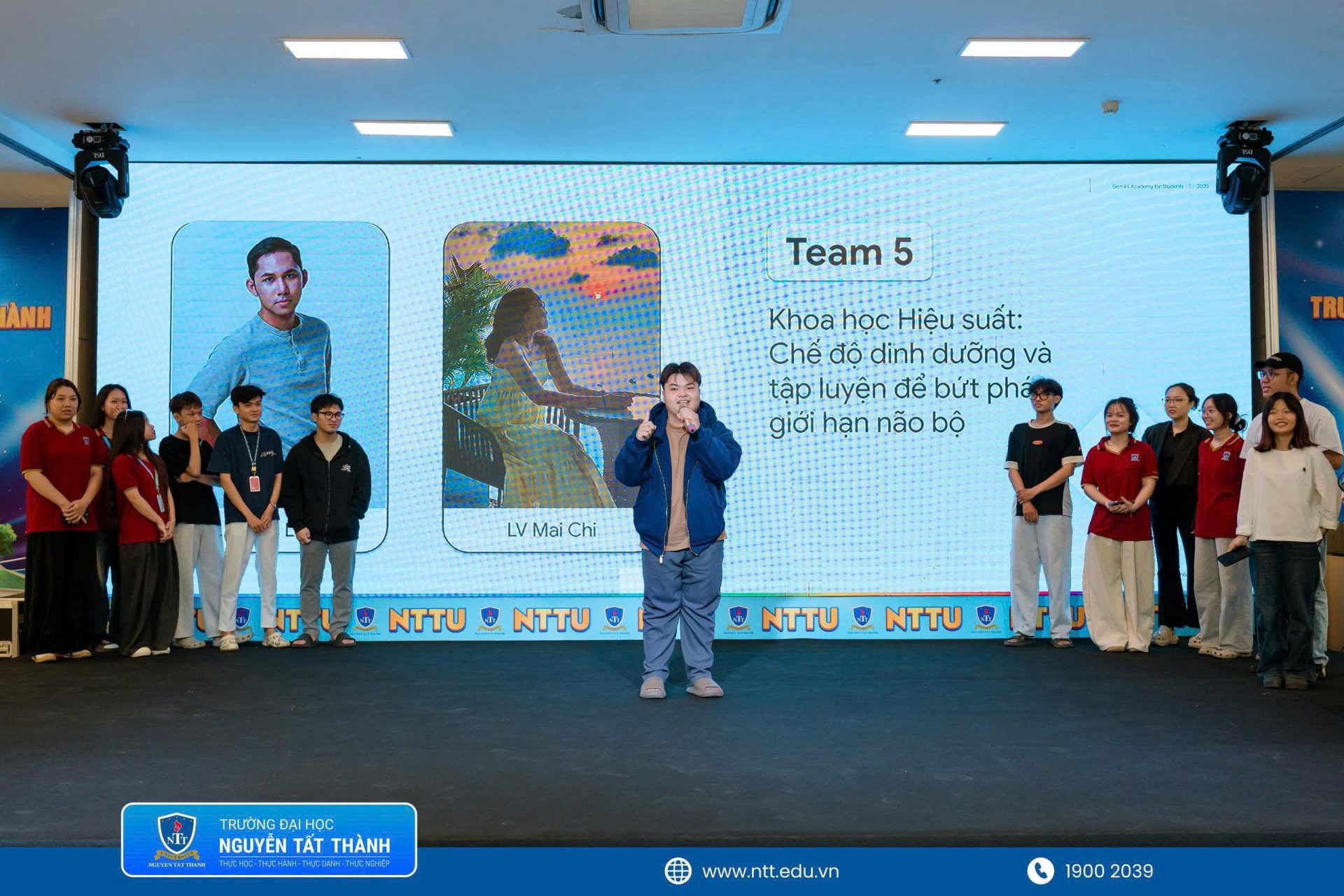
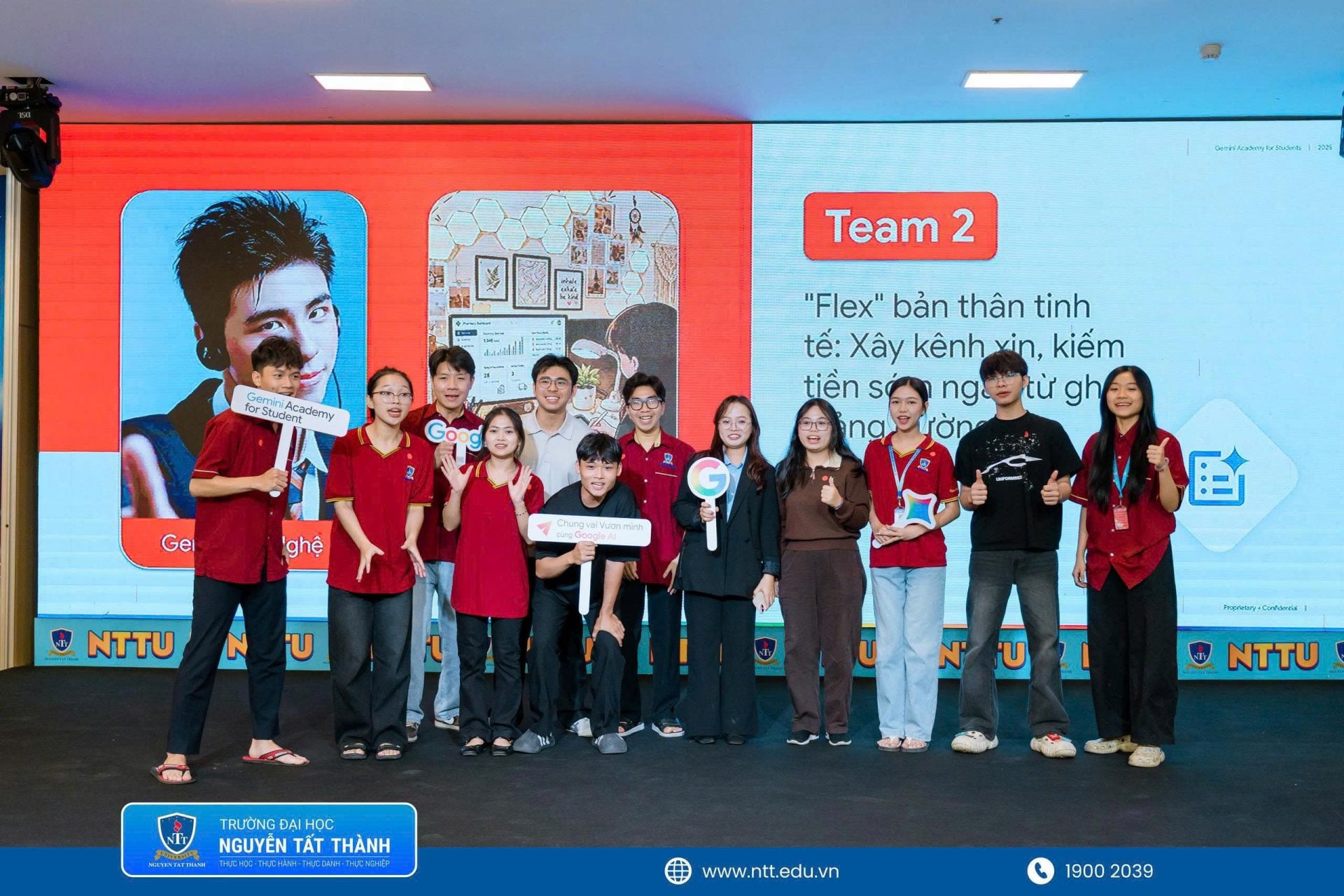
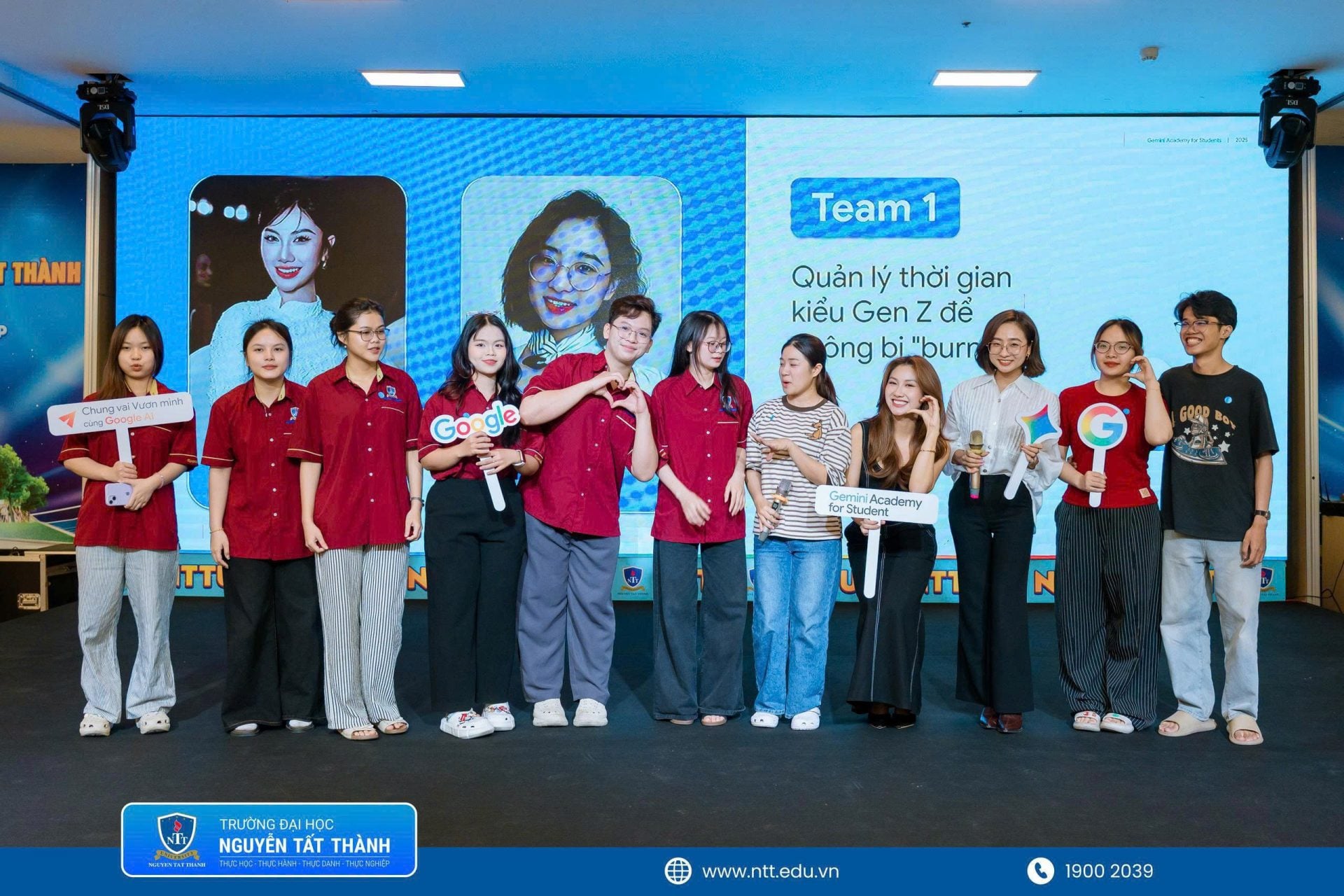
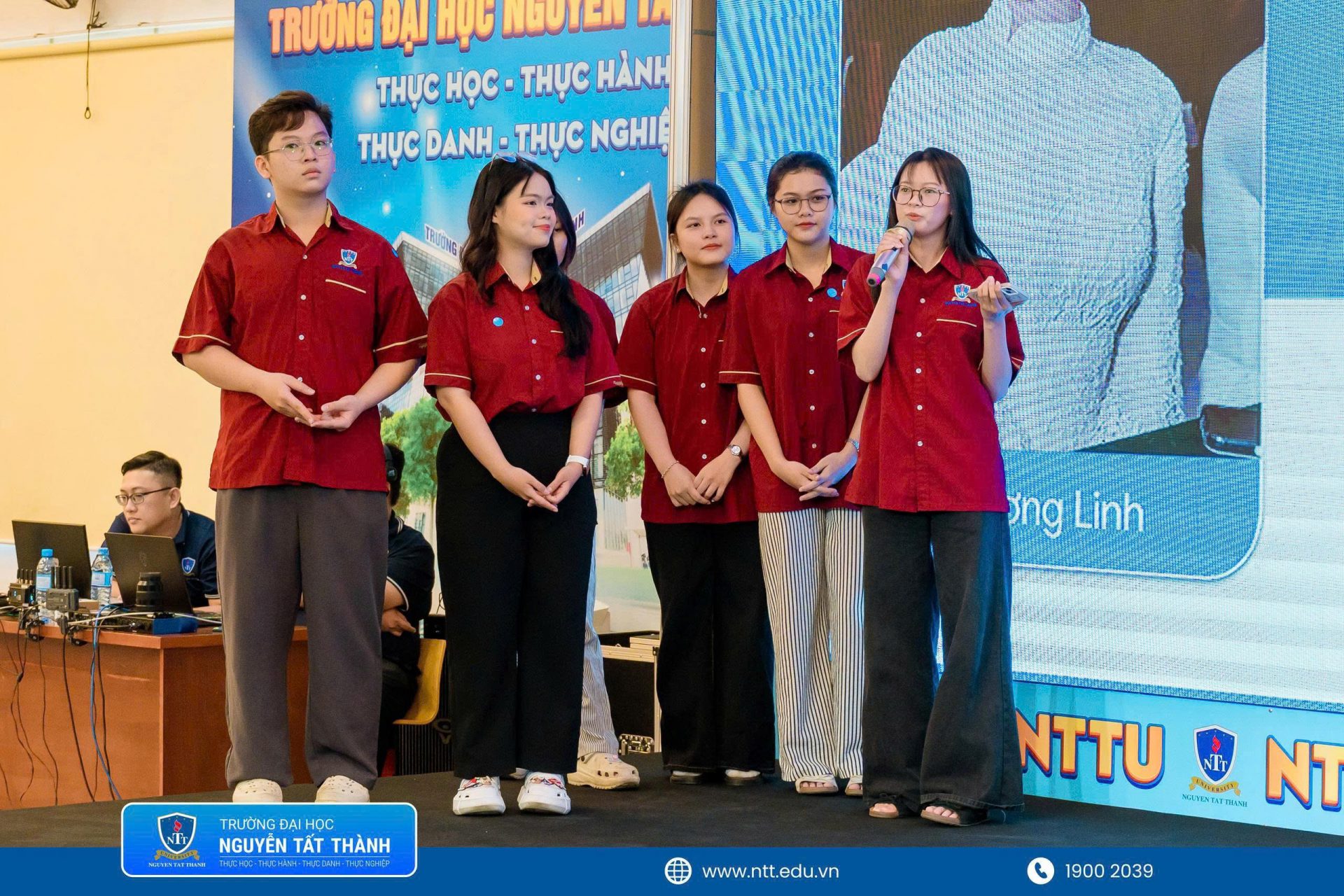
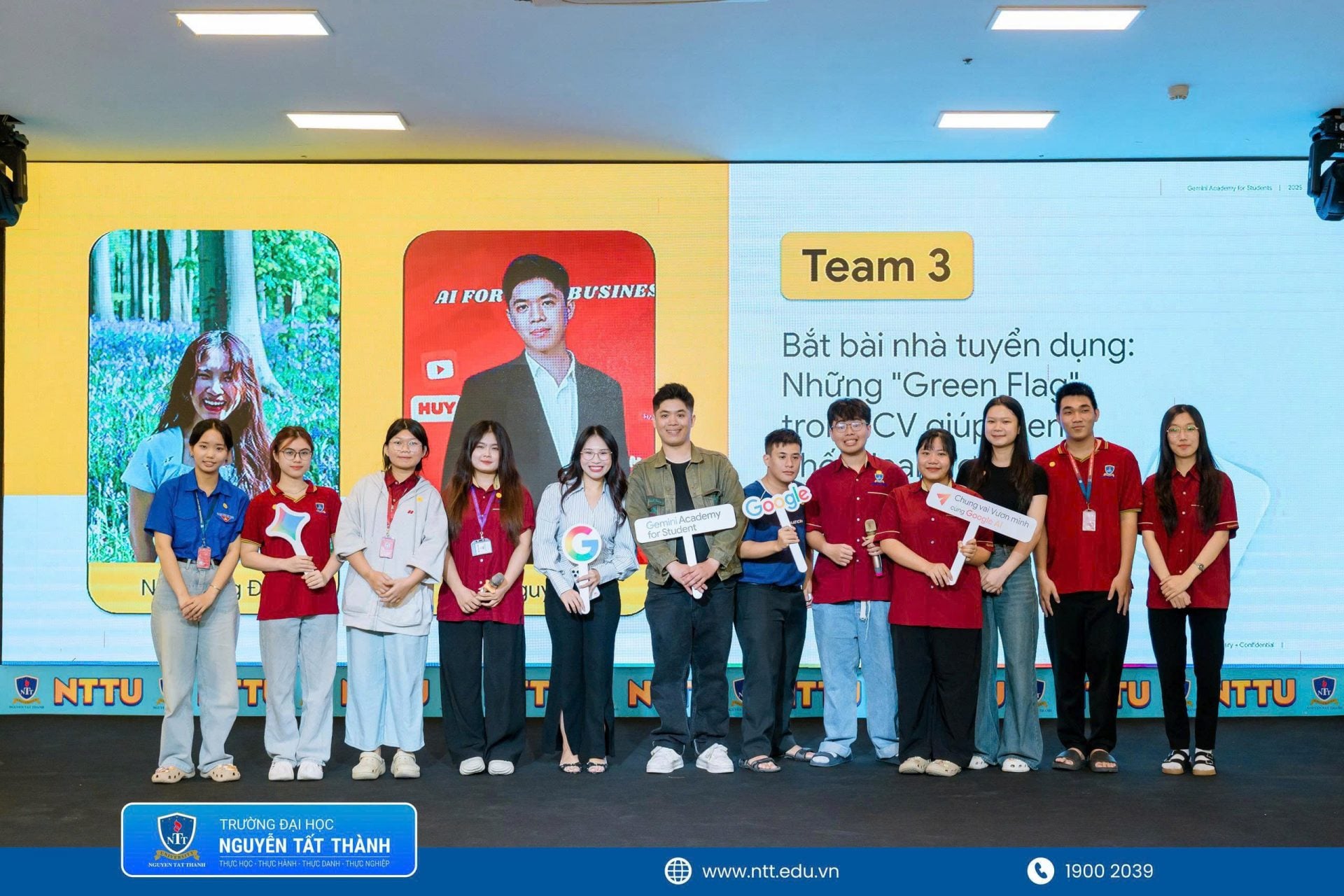
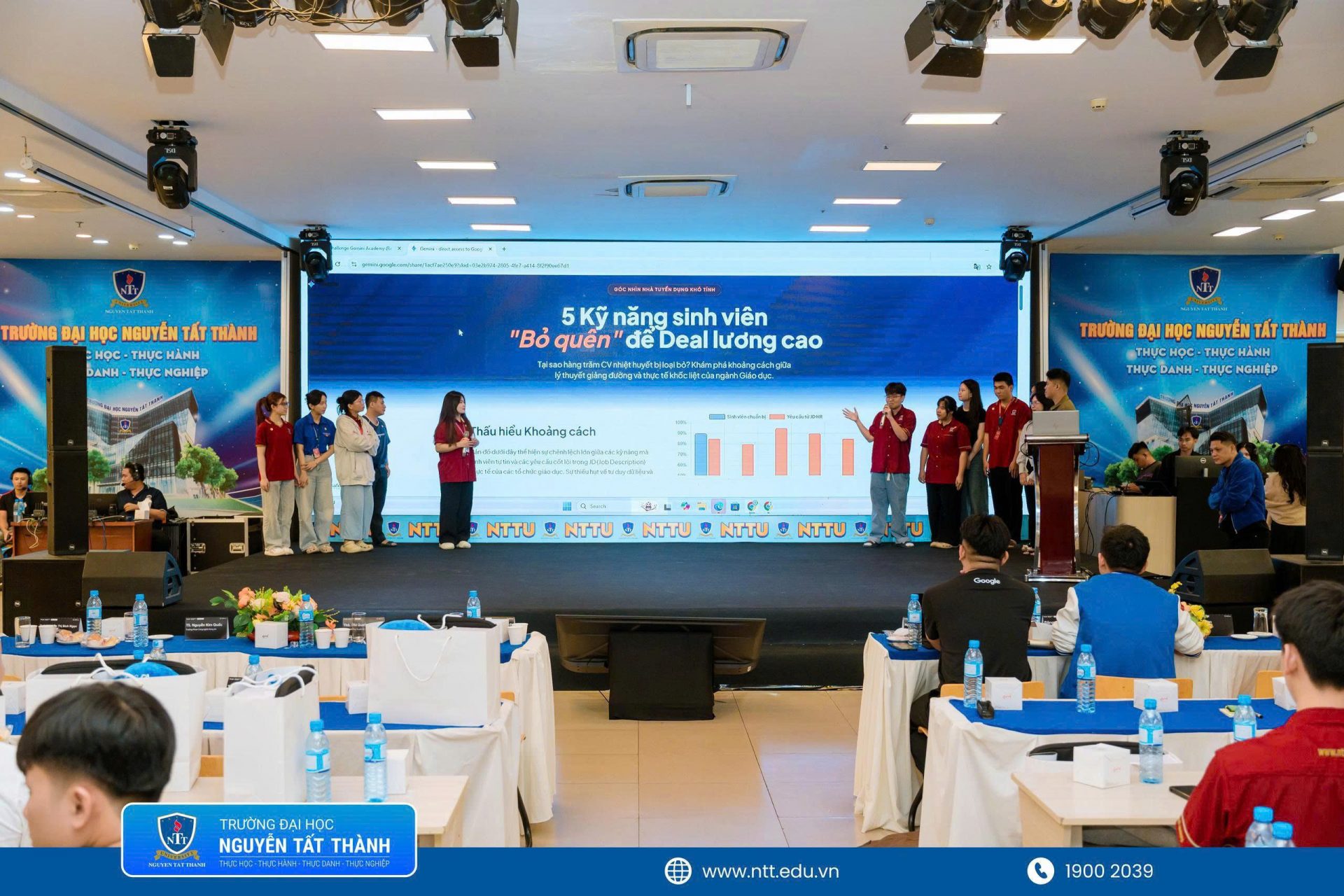
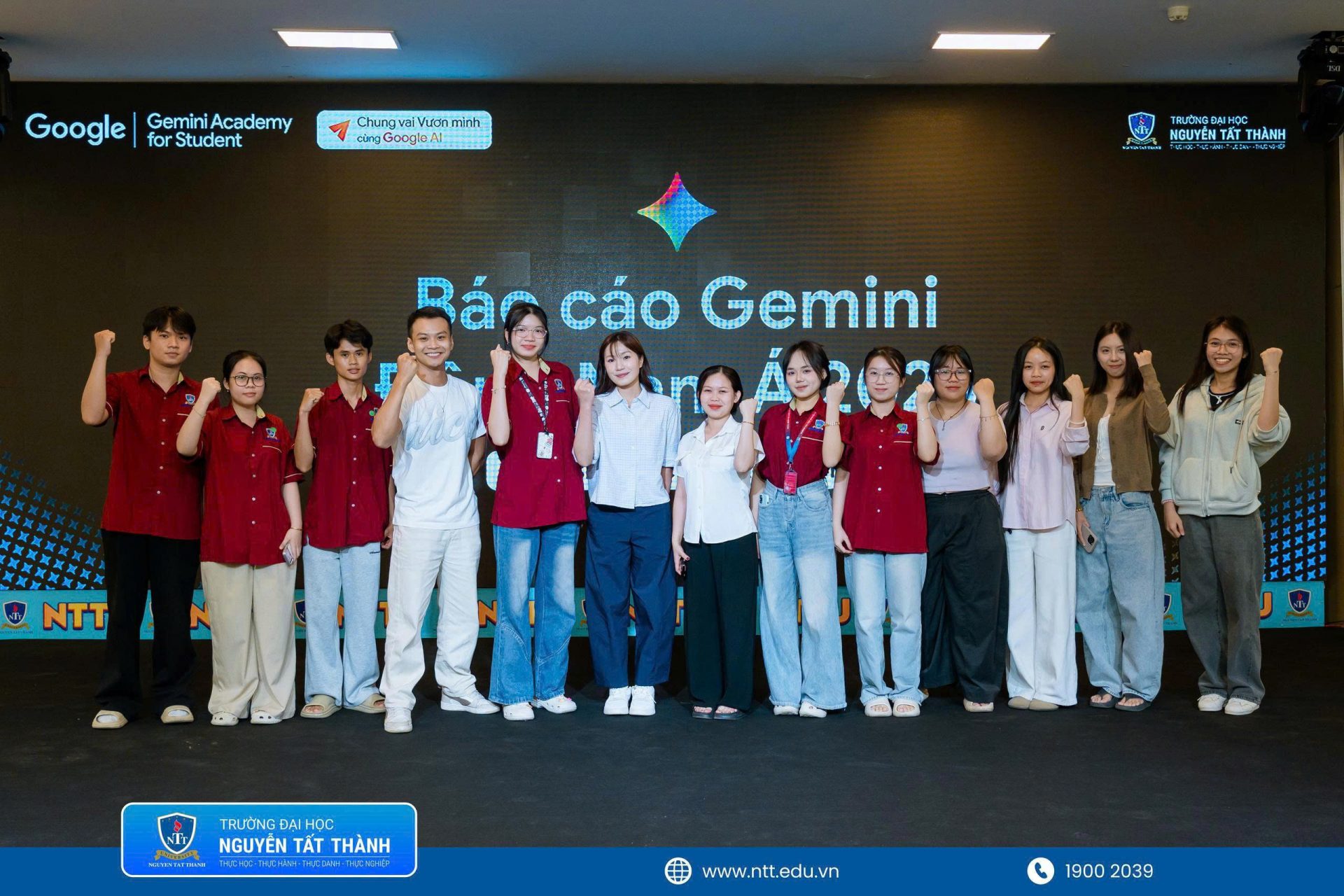
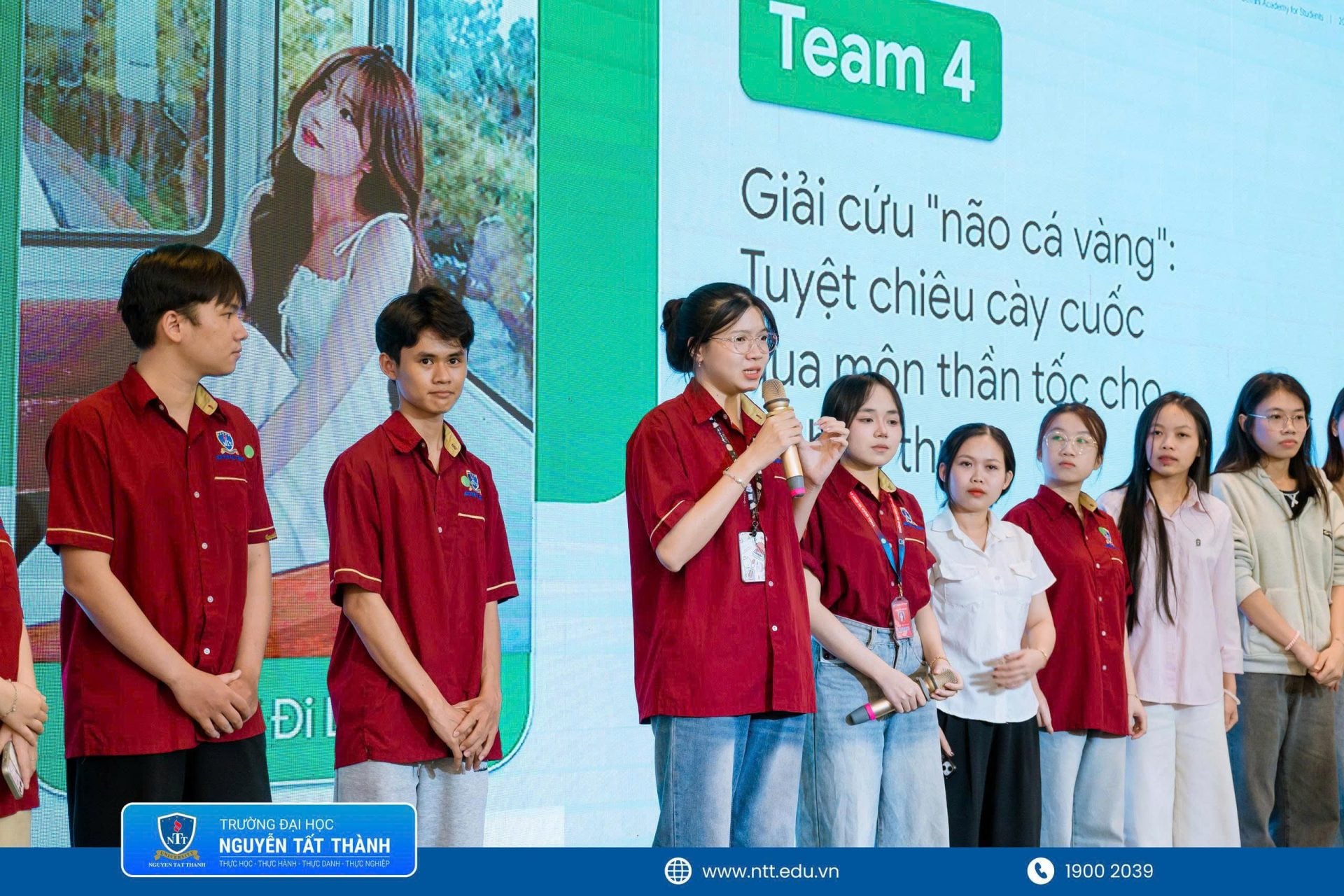
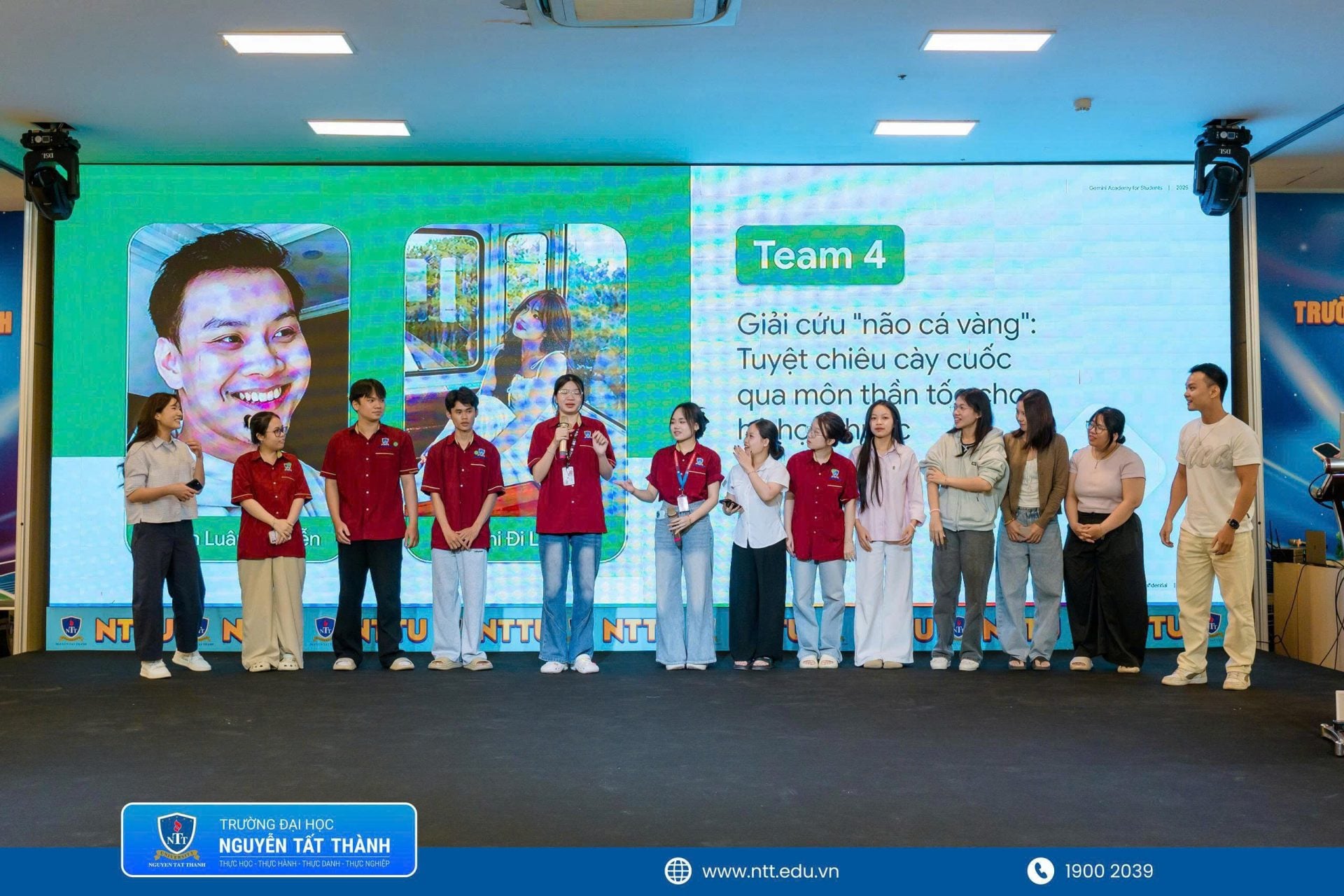
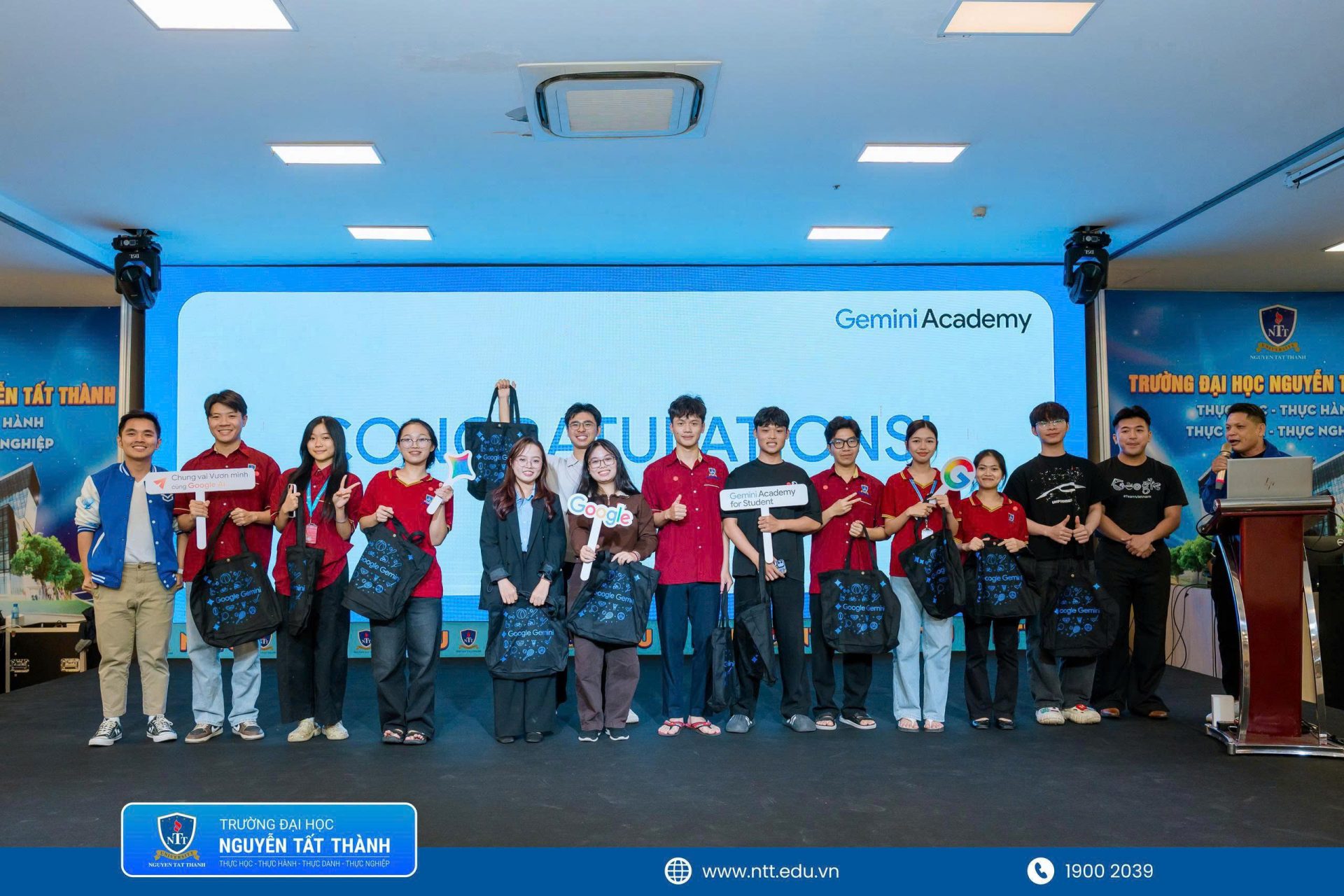
Student teams presenting and defending their products before the panel of judges, demonstrating their ability to leverage data, develop ideas, and take responsibility for their team’s choices
Placing AI in relatable scenarios helps practical activities go beyond simply showing off tool features. While technology can assist in gathering data and materializing ideas, students must still curate information, structure arguments, collaborate with team members, finalize deliverables, and answer questions from judges. To successfully defend their group’s solution, learners must truly understand the problem and master the process they executed.
The requirement to present and debate thus serves as a crucial bridge between using a tool and building core capabilities. Even with AI assistance, a project still requires the creators to verify data, thoroughly understand the content, and take ownership of what is presented. Here, technology does not reduce the role of the learner; instead, it raises the bar for their ability to evaluate, explain, and defend their decisions.
The entire process also illustrates how resources can be connected within an educational activity. Google brings the platform, data, and market perspectives; student ambassadors and content creators share practical usage experience; while NTTU organizes these elements into a structured learning journey. Cooperation, therefore, does not stop at a corporate presence at an event, but is transformed into hands-on scenarios where students practice, receive feedback, and demonstrate competence through tangible products.
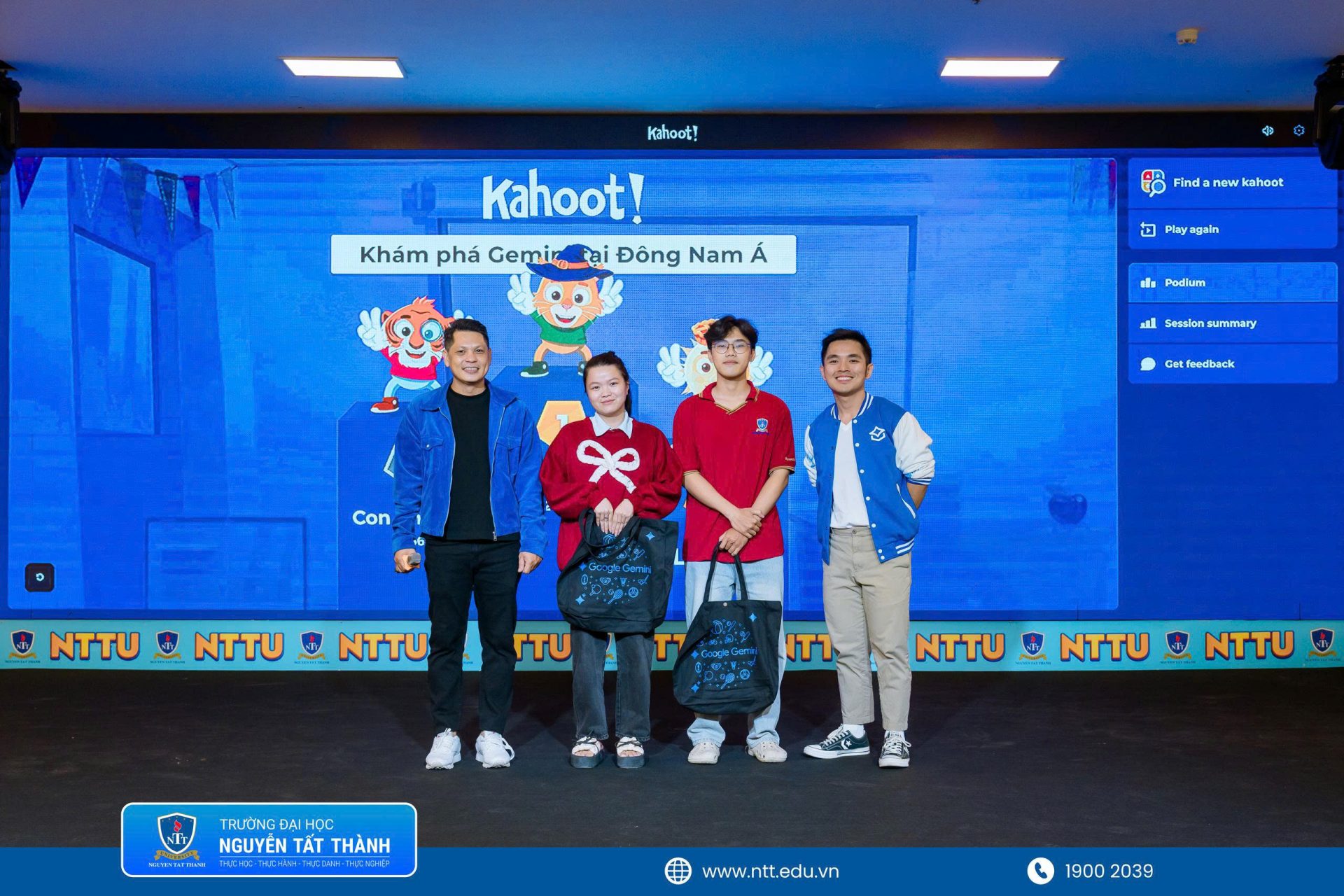
NTTU students receiving gifts from the Organizing Committee after the Q&A and interaction session at the event
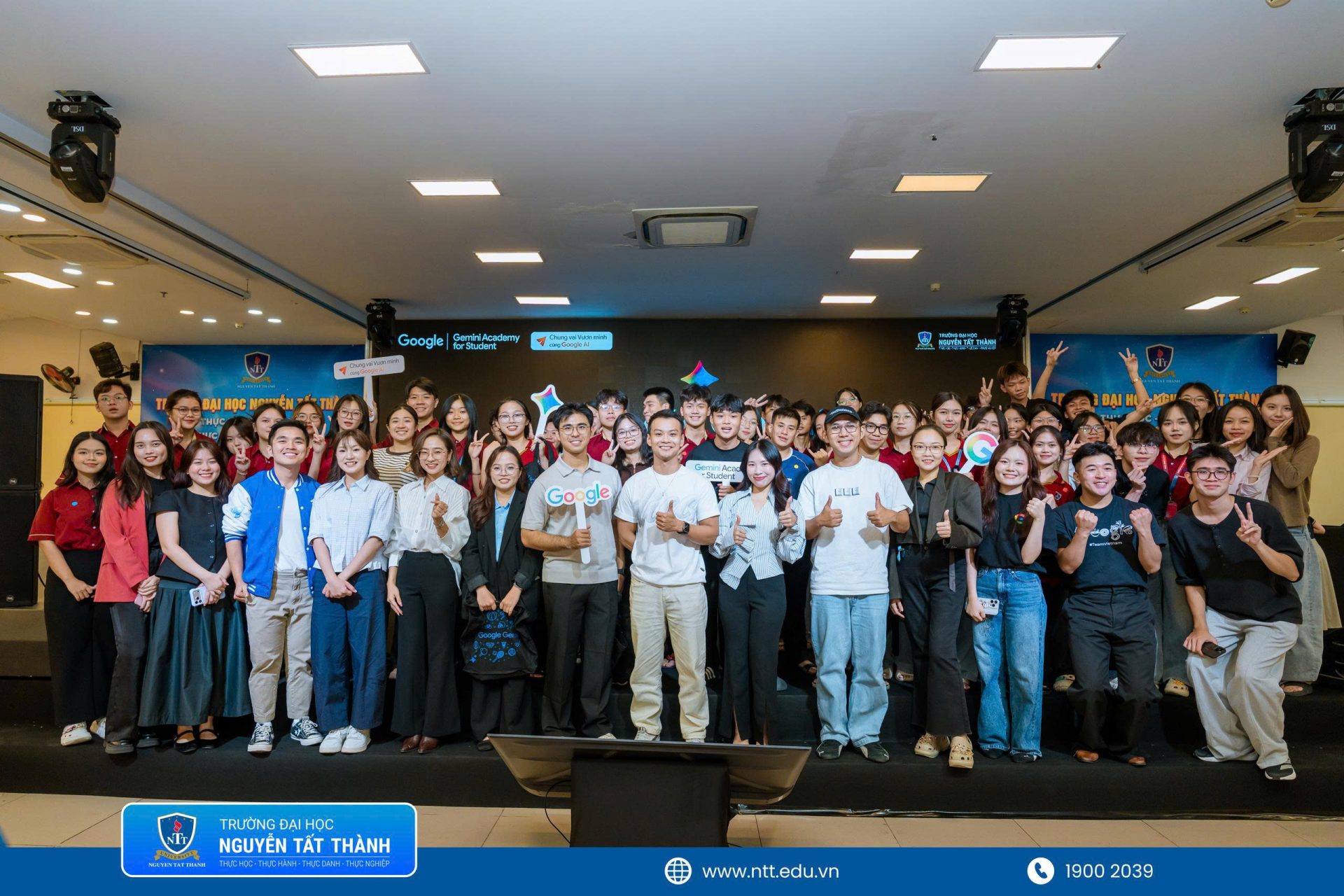
Through partnership with Google, NTTU continues to expand a learning environment connected to technology and practice, creating conditions for students to access new tools, sharpen digital skills, and proactively adapt to future career requirements
In doing so, knowledge is applied to real-world situations, skills are tested through actual deliverables, and student capability is demonstrated through their ability to present, explain, and defend their results. For NTTU, Gemini Academy is part of a broader direction to expand connections with enterprises and technology partners, bringing market changes closer to the academic environment while preparing students to adapt starting right from their university days.
In an era where technology can evolve faster than the cycle of building a curriculum, universities can hardly rely on simply instructing learners on specific tools. What holds far more long-term value is establishing a foundation that enables students to continuously self-update, identify problems, and adapt to technologies that have not yet emerged.
Vietnam leads the region in the proportion of Gemini usage for academic purposes. However, a sustainable advantage for students lies not in who asks more questions or gets faster answers, but in who knows how to ask the right questions, verify the answers, and transform data into their own unique perspective.
From the very first prompt to the final product defense, students are placed at the center of the learning process. This is precisely the value NTTU aims to achieve when introducing AI into lecture halls: empowering learners to use technology to expand their capabilities rather than depending on ready-made answers.
By: Cam Thach
Photos: Media


