
 Tiếng Việt
 Home
Home Introduction
 Announcements
 Student Essential
 Event attendance lists
Nguyen Tat Thanh University has successfully organized the 2026 Medical Physics – Biomedical Engineering Student Scientific Conference, gathering nearly 20 research topics from students of Medical Physics and Biomedical Engineering, ranging across various fields from radiation safety, dose optimization in diagnostics and treatment to biomedical device design, medical signal – image processing, artificial intelligence, and healthcare system automation…
This is an annual academic forum of Nguyen Tat Thanh University aimed at creating opportunities for students of Medical Physics and Biomedical Engineering to present their research findings, exchange professional expertise with lecturers, and access new technology trends in healthcare.
Medical Physics Topics Aim to Enhance Radiation Safety and Quality in Diagnostics and Treatment
The highlight of this year’s conference is the increasingly clear appearance of interdisciplinary research between medicine and technology. While previous topics mainly focused on surveys or technical evaluations, this year’s works demonstrated a trend toward developing specific solutions to solve practical problems in healthcare—from radiation monitoring systems and occupational dosimeters to methods for evaluating patient doses in radiotherapy, students have step-by-step approached applied research and innovation thinking.
In the Medical Physics research group, many topics focused on improving quality and safety in diagnostic and treatment techniques utilizing radiation. A typical example is the research on designing a wireless multi-point radiation measurement system to support real-time radiation environment monitoring, contributing to improving management efficiency and ensuring safety at medical facilities.
In addition, research on radiation safety for pregnant women and fetuses, establishing patient dose profiles in X-ray diagnostics, or dose optimization in nuclear medicine showed students’ interest in solutions that enhance the quality of medical services while meeting the increasingly high demands of public health protection.
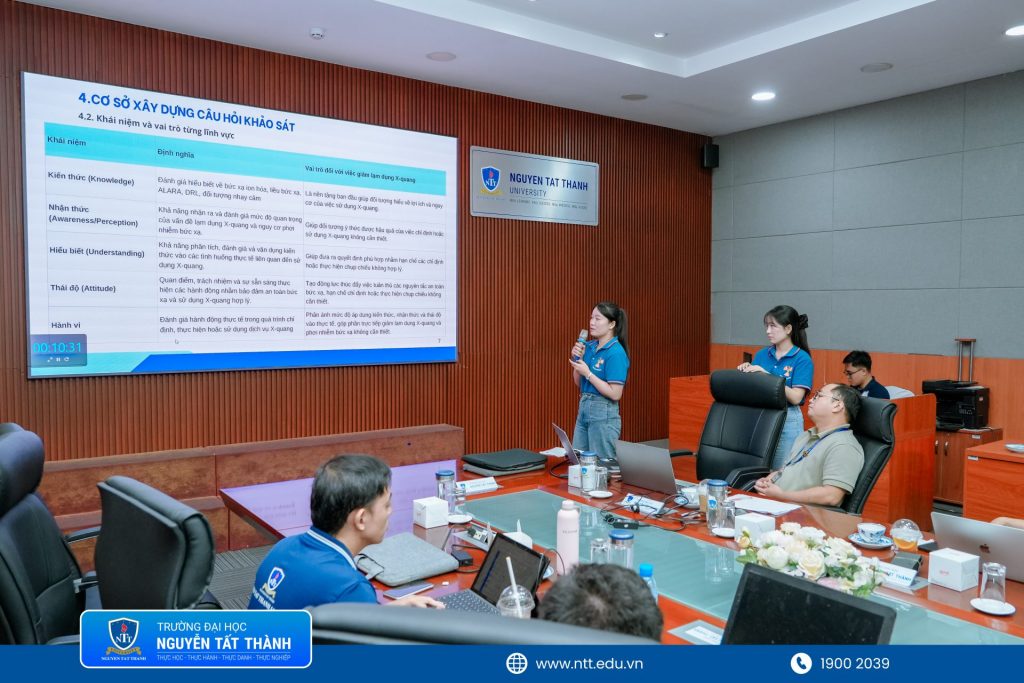
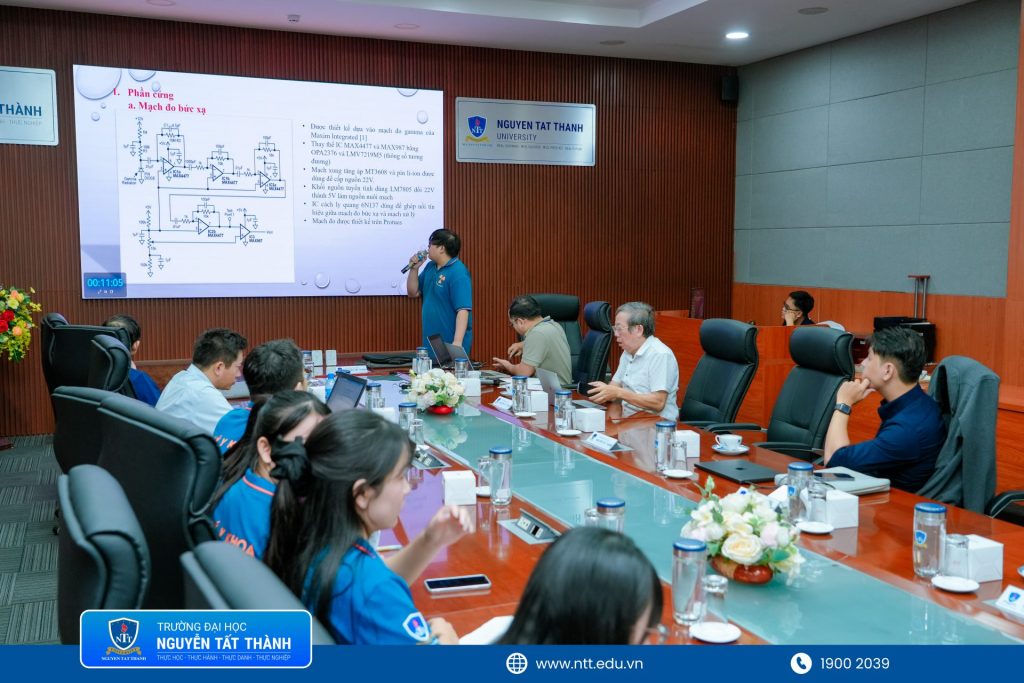
Presentation sessions of participating groups in the field of Medical Physics
AI and Digital Technology Appear in Many Biomedical Engineering Student Research Topics
While Medical Physics focuses on quality assurance and safety solutions in healthcare, the topics in Biomedical Engineering clearly demonstrate the application of technology in supporting diagnostics, treatment, and rehabilitation. Many studies aimed at developing practical biomedical devices such as muscle relaxation measurement devices used in anesthesia and resuscitation, electromagnetic wave equipment supporting the treatment of musculoskeletal pain, or automated fluid delivery system models for artificial hemodialysis.
In particular, artificial intelligence and digital technology became outstanding highlights at this year’s conference. Students boldly applied deep learning models to research mobile applications that assist in analyzing and detecting early skin lesions, while developing algorithms to support the detection of myocardial infarction from ECG signals. These studies show that Nguyen Tat Thanh University students have actively applied artificial intelligence to practical problems in healthcare. Instead of viewing AI as an independent technology, the research groups utilized AI as a tool to support screening, data analysis, and decision-making support in medical examinations and treatments, reflecting the powerful digital transformation trend taking place in the medical sector.
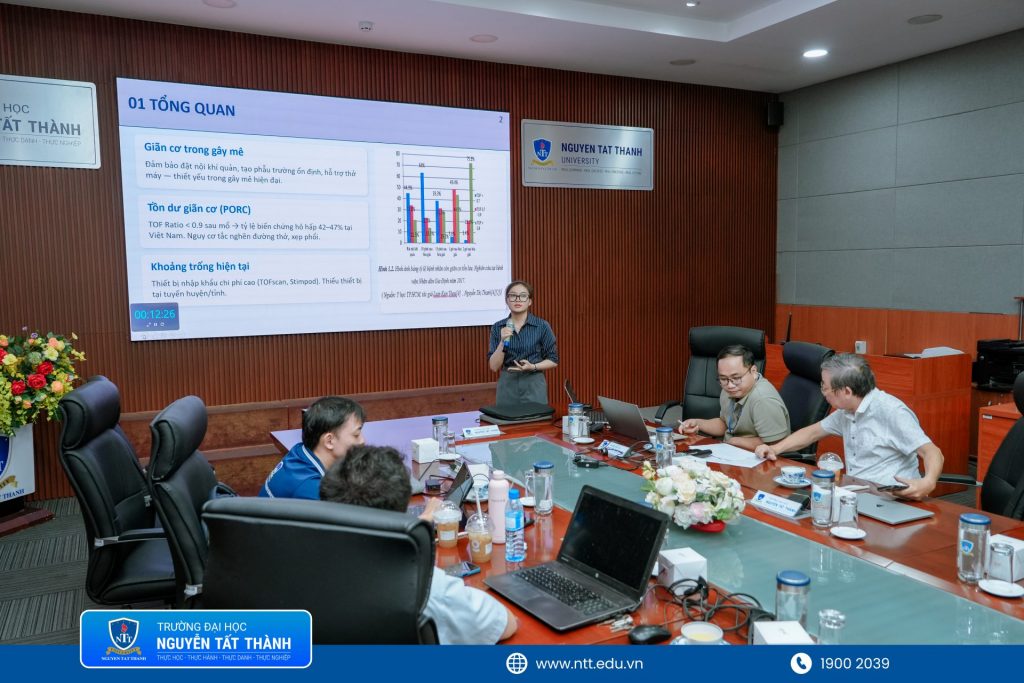
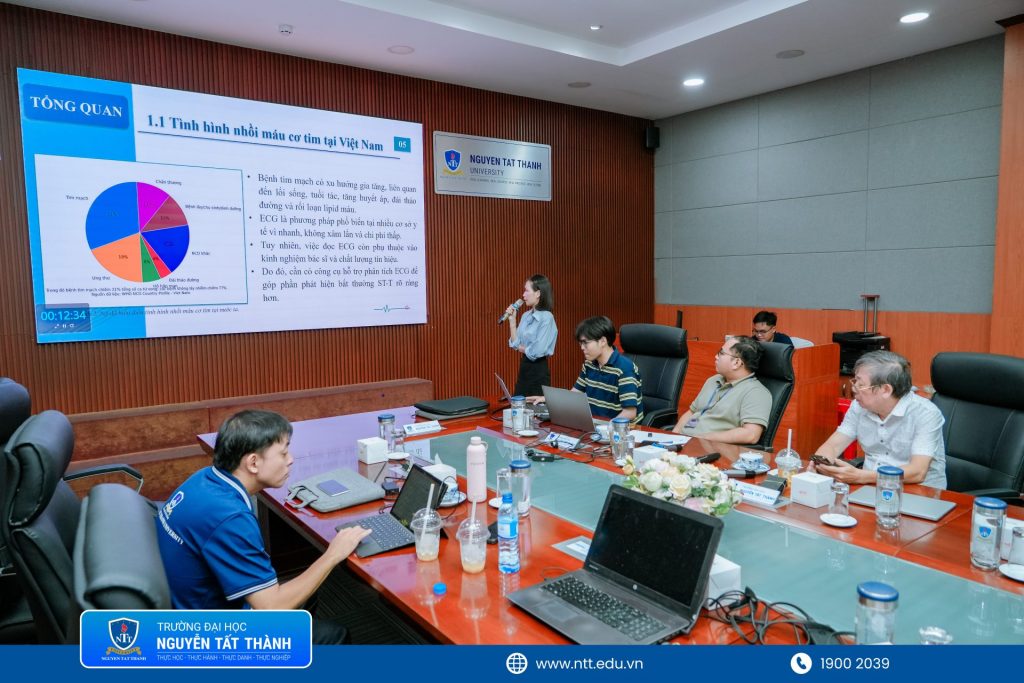
Presentation sessions of participating groups in the field of Biomedical Engineering
Throughout the conference, topics received numerous constructive discussions, defenses, and feedback from the professional committee. The suggestions focused on perfecting research methodologies, enhancing data reliability, testing results, and orienting product development toward high applicability. For topics concerning artificial intelligence and medical data processing, the committee encouraged expanding the datasets to improve model accuracy; meanwhile, biomedical device research needs to continue enhancing stability and meeting safety requirements in clinical environments.
Concluding the conference, the Organizing Committee presented awards to 9 exemplary research projects with outstanding professional quality and prominent applicability. The awards were selected by the professional committee based on multiple criteria such as novelty, scientific value, research methodology, and practical applicability. Accordingly, the two First Prizes belonged to the project “Design and manufacturing of muscle relaxation measurement devices applied in anesthesia and resuscitation” by student Pham Thien Trang and the project “Radiation safety for women and fetuses in X-ray diagnosis“ by the student group Phan Dieu Hat and Le Thị Phuong Uyen.
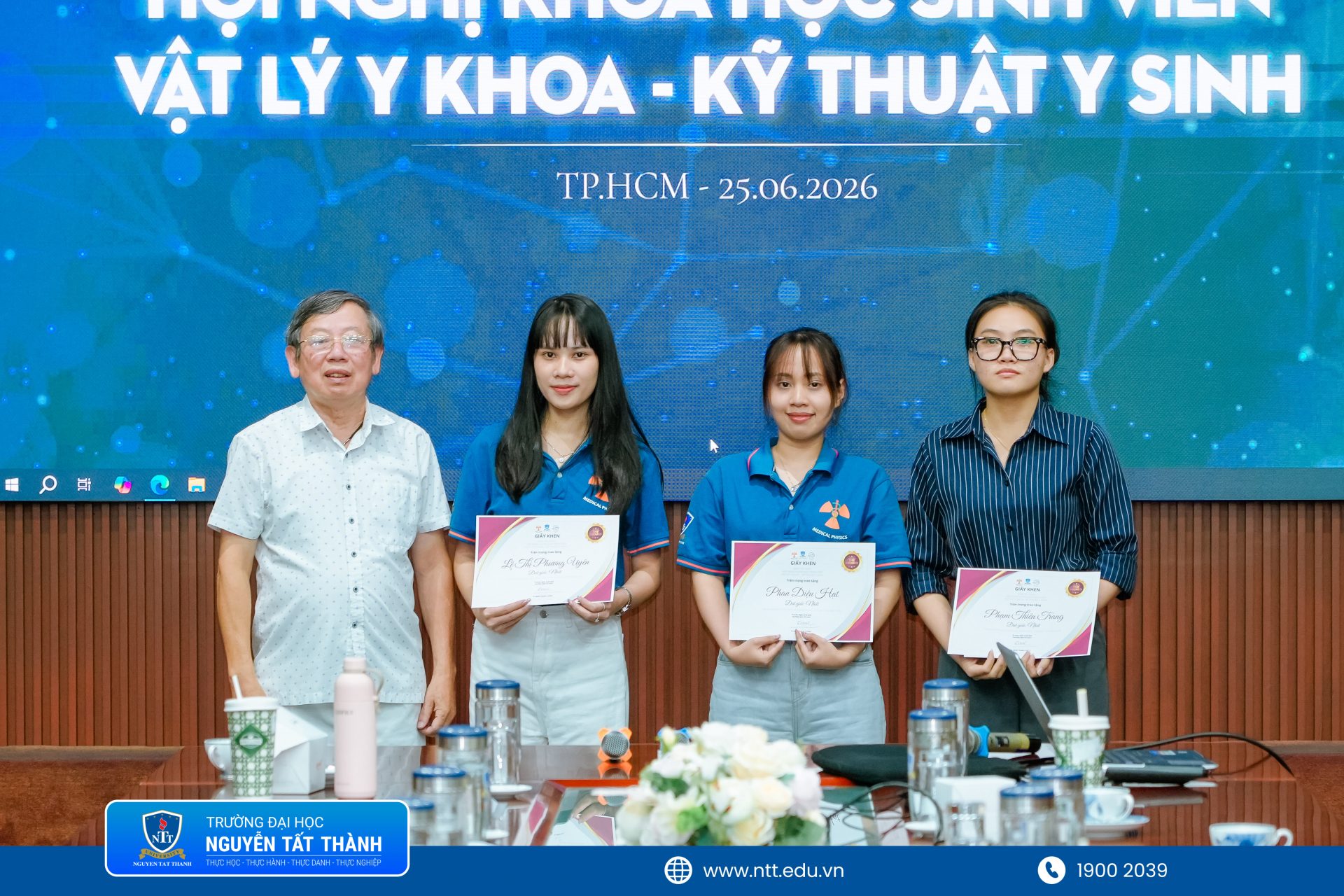
Dr. Dang Thanh Luong presents awards to the two First Prize-winning projects
The two Second Prizes went to the project “Research and design of a mobile application supporting analysis and early detection of skin lesions” (student group Nguyen Duc Kim Ngan, Le Gia Huy); and the project “Evaluating the effectiveness of the convolution-superposition method in calculating dose distribution for PET/CT patients using 18F-FDG” (student Tran Minh Loc).
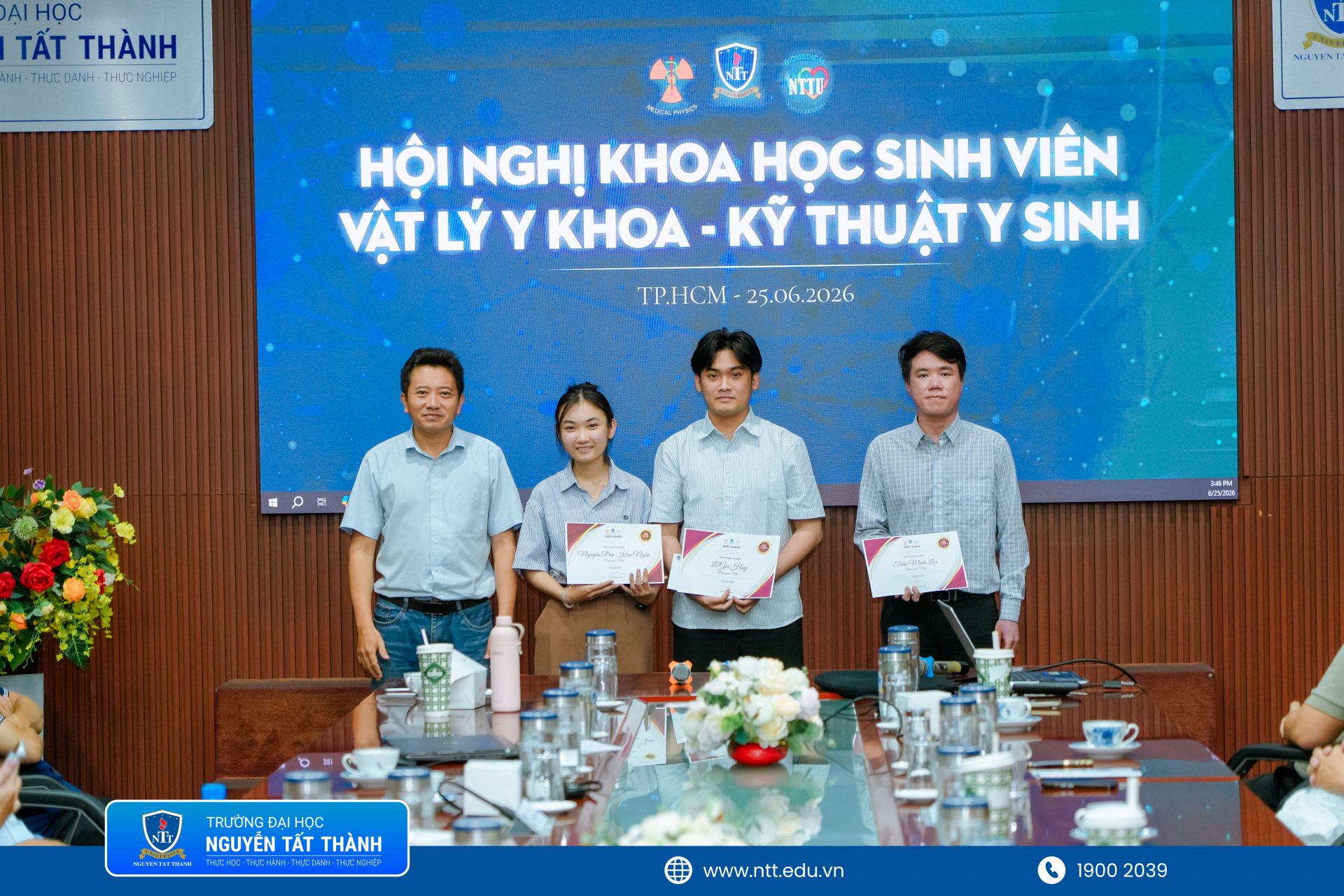
Mr. Nguyen Sy Suu – Head of the Biomedical Electronics Department, presents awards to the two Second Prize-winning project groups
The two Third Prizes belonged to the project “Research and improvement of lower limb rehabilitation training equipment using biofeedback signals” (student Mai Huu Hoang Long) and the project “Investigation of TLD dosimeter characteristics in the radiotherapy energy range” (student Ho Le Trieu Dai).
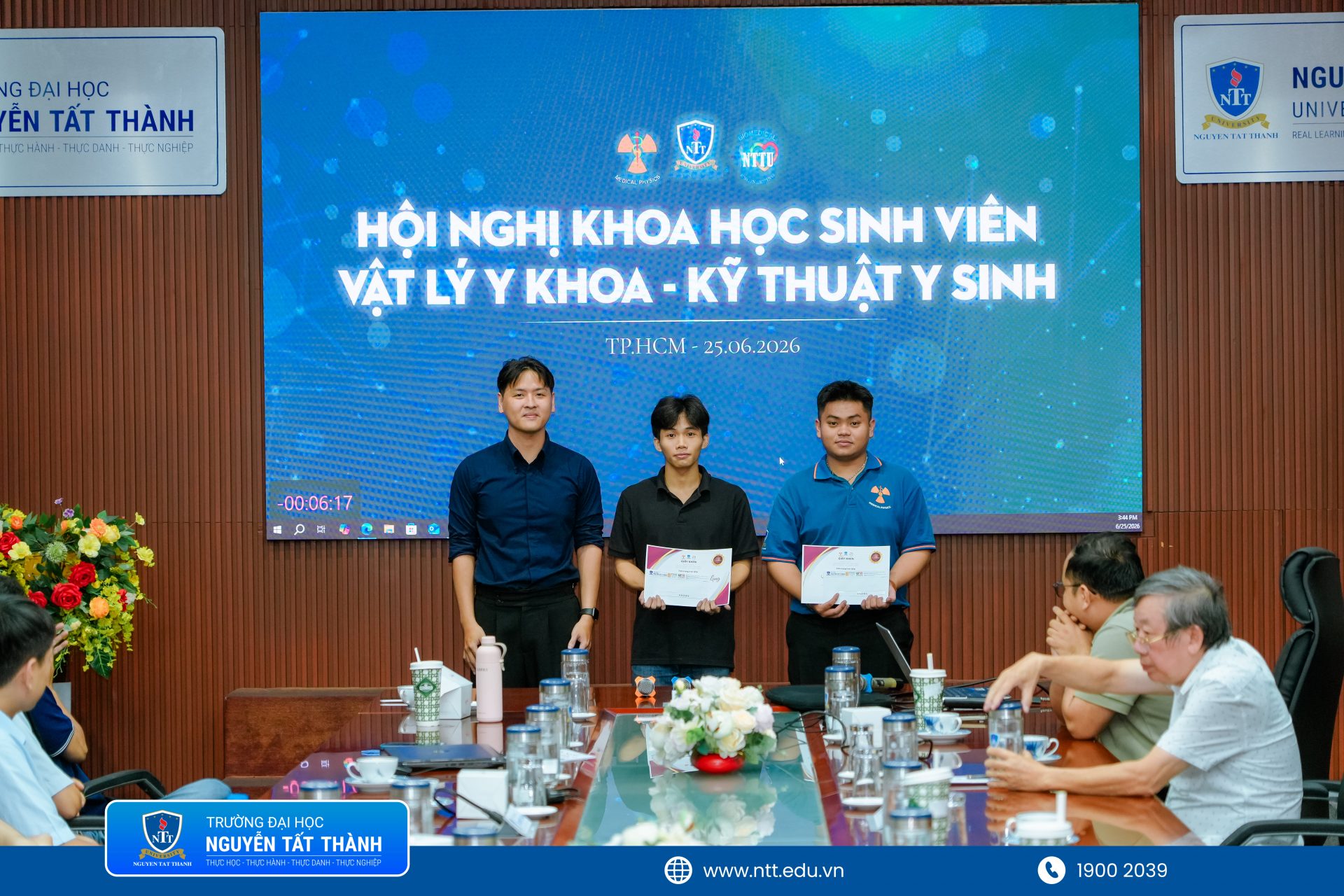
Mr. Hoang Anh Tung – Head of the Radiotherapy Physics Department, presents awards to the two Third Prize-winning projects
In addition, the Conference also awarded two Consolation Prizes (projects: “Manufacturing blood cell observation specimens” and “Research on establishing patient dose profiles in X-ray diagnostics“) and one Young Scientist Award (project: “Simulation of upper limb veins using Solidworks software“) to recognize students’ research and creative efforts.
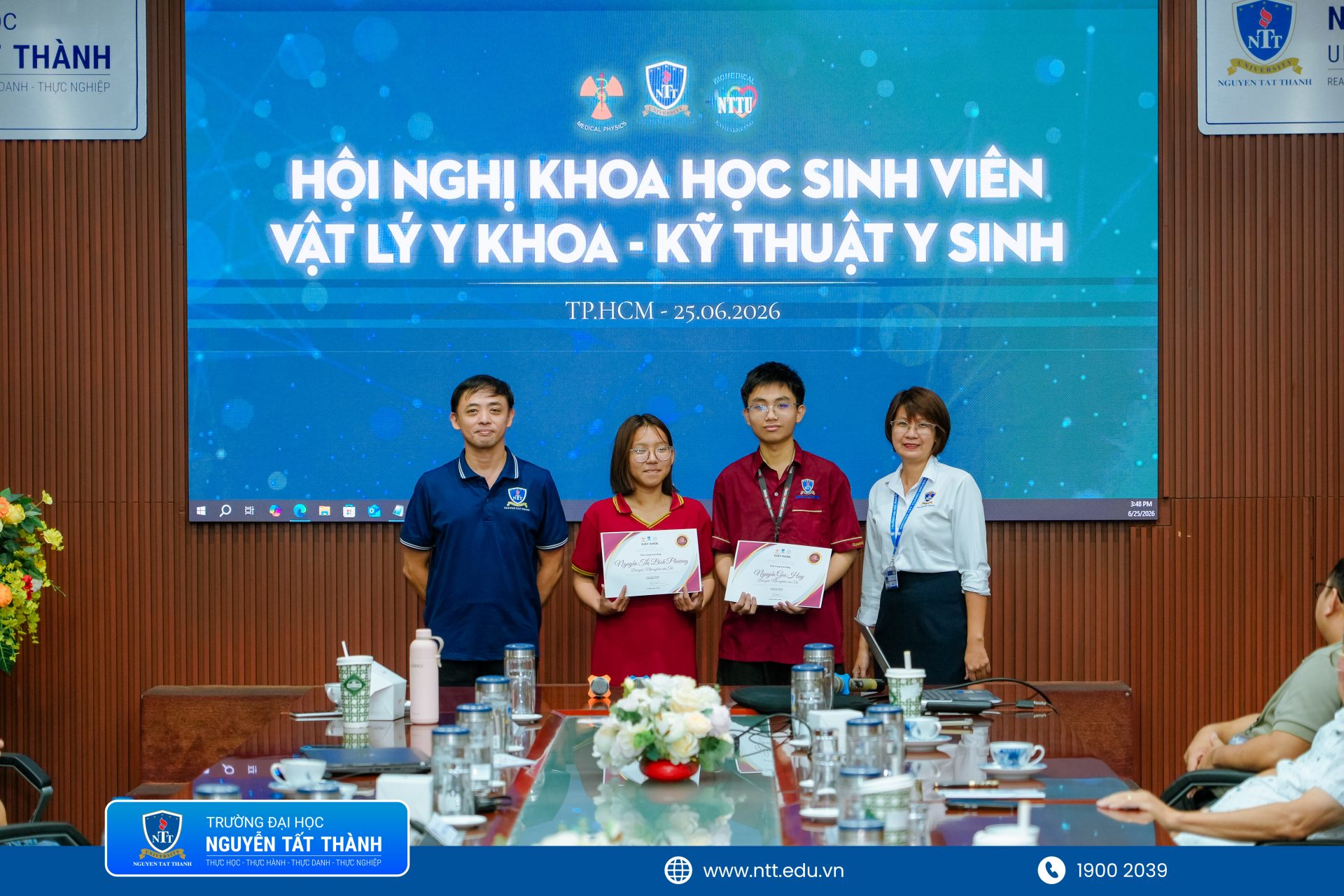
Dr. Dang Vu Hoang – Deputy Head of the Biomedical Physics Department, presents the Young Scientist Award to the student group executing the project: “Simulation of upper limb veins using Solidworks software”
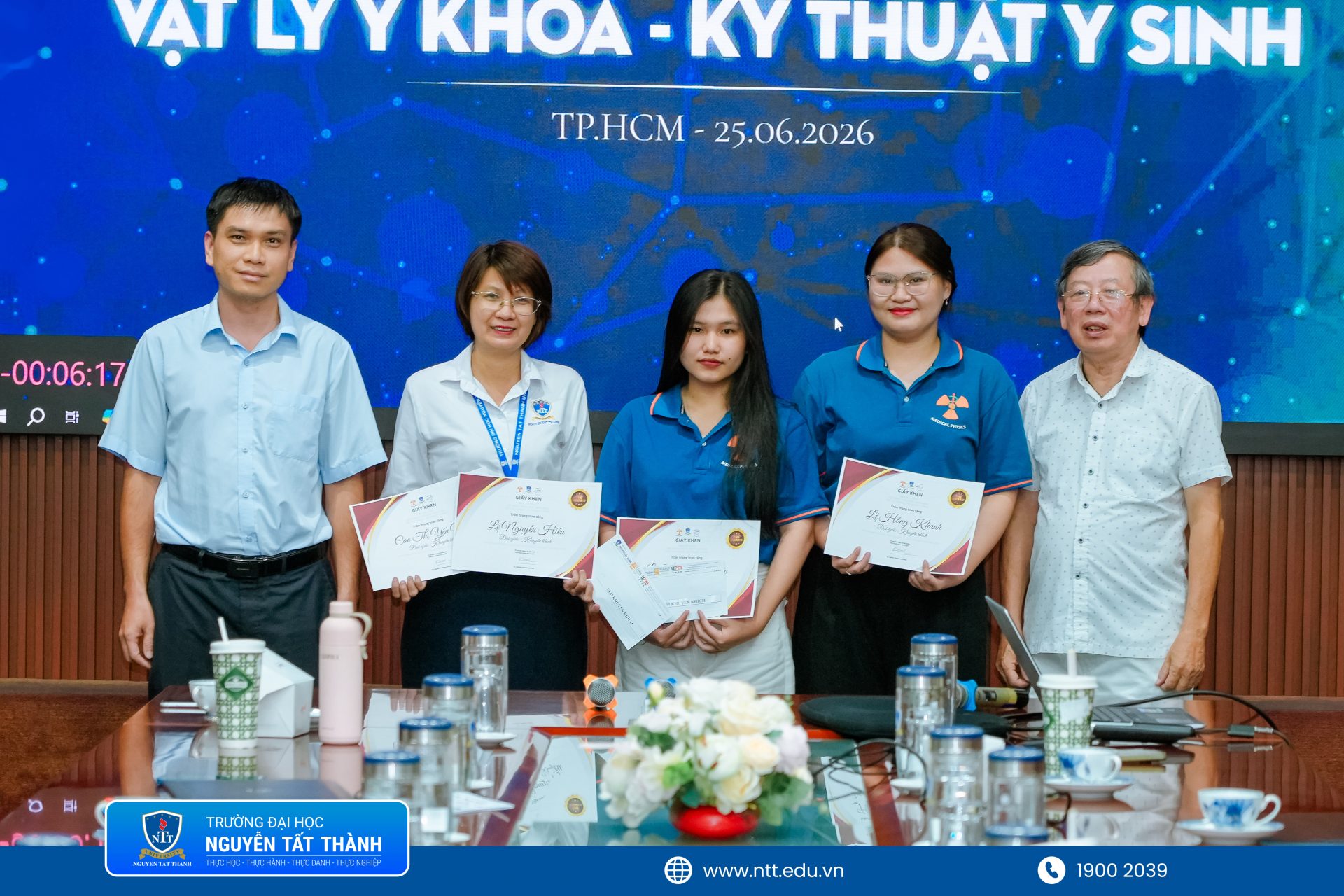
Dr. Dang Thanh Luong – Vice Dean of the Faculty of Medicine, Head of the Biomedical Physics Department, along with Mr. Do Khoa Binh – Head of the Medical Device Department, present awards to the two Consolation Prize-winning projects
Following the conference, the topics evaluated as high-potential by the committee will continue to receive support for refinement and development to participate in the “Euréka Student Scientific Research Award” and aim toward scientific publications. Among these, research on the application of artificial intelligence in supporting early detection of skin lesions and muscle relaxation measurement devices applied in anesthesia and resuscitation were rated as highly promising research directions for development in the context of digital transformation and medical technology innovation.
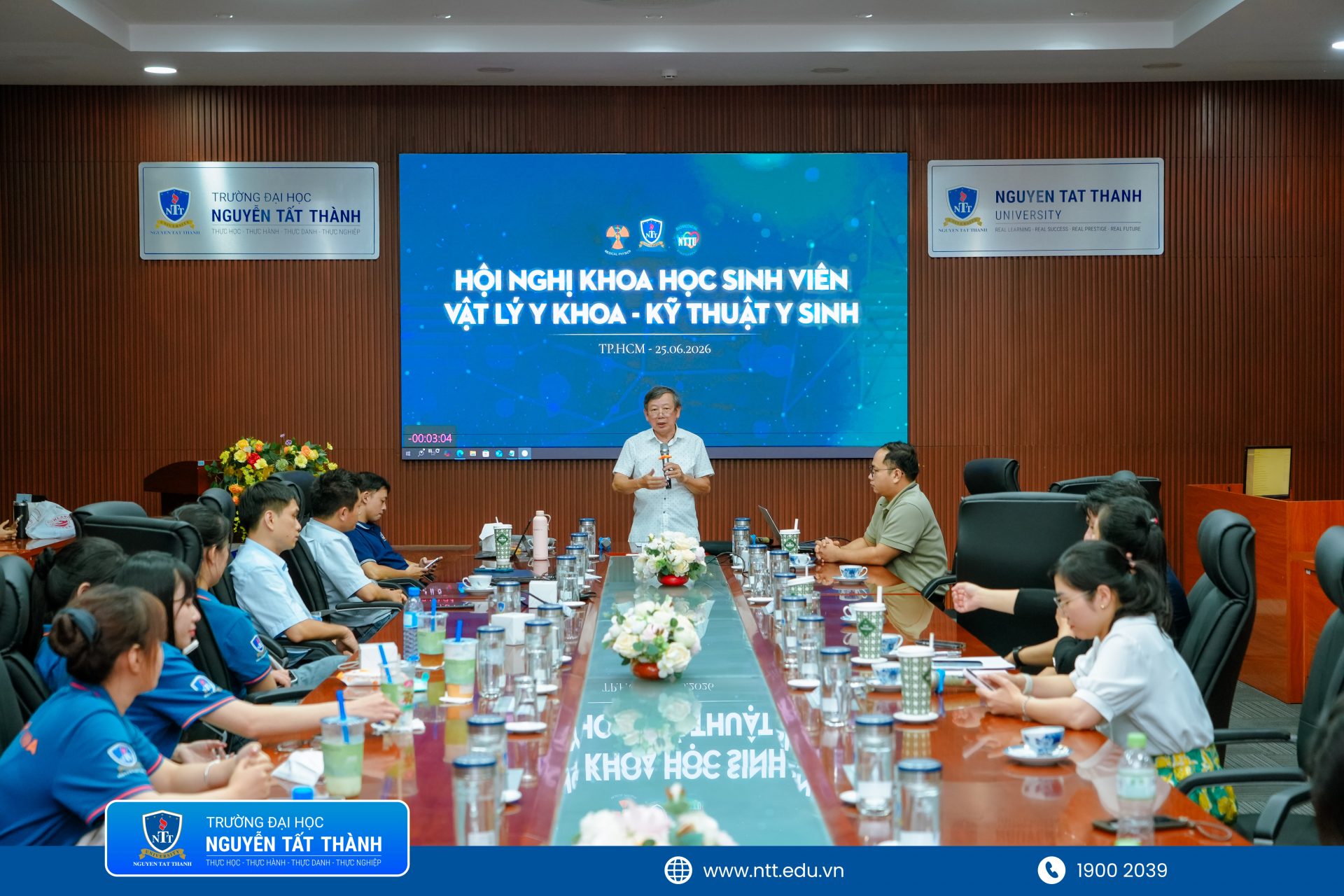
Dr. Dang Thanh Luong delivers the closing speech of the conference
Delivering the closing remarks, Dr. Dang Thanh Luong – Vice Dean of the Faculty of Medicine, Head of the Biomedical Physics Department at Nguyen Tat Thanh University, highly appreciated the serious investment, research spirit, and creative capacity of the students participating in the conference. Notably, this year’s conference recorded the participation of many topics from first-year students. According to Dr. Dang Thanh Luong, this is a positive signal showing that students have proactively approached scientific research right from their first years of university and step-by-step formed a mindset to solve practical problems in the healthcare industry. He hopes that these projects will continue to be perfected and developed into products with high applied value, contributing to improving the quality of medical practice and contributing to the development of the Medical Physics – Biomedical Engineering field in Vietnam.
Article: Thanh Huong
Photos: Media Team