
 Tiếng Việt
 Home
Home Introduction
 Announcements
 Student Essential
 Event attendance lists
On July 19, 2026, over 60 students and members of innovative startup projects from Nguyen Tat Thanh University participated in the training session “Business Model Design and Revenue Streams for Innovative Startup Projects.”
The program helps learners identify market demand, refine business models, and enhance the commercial viability of their projects.
The training session took place at Hall A801, 300A Nguyen Tat Thanh facility, under the guidance of Mr. Nguyen Le Kha – Director of Sigma Investment Trading JSC, and Chairman of the IPO SIHUB Club. Ms. Huynh Hong Mai – Deputy Director of the Center for Innovation and Startup Incubation, Nguyen Tat Thanh University, attended the program representing the Organizing Committee.
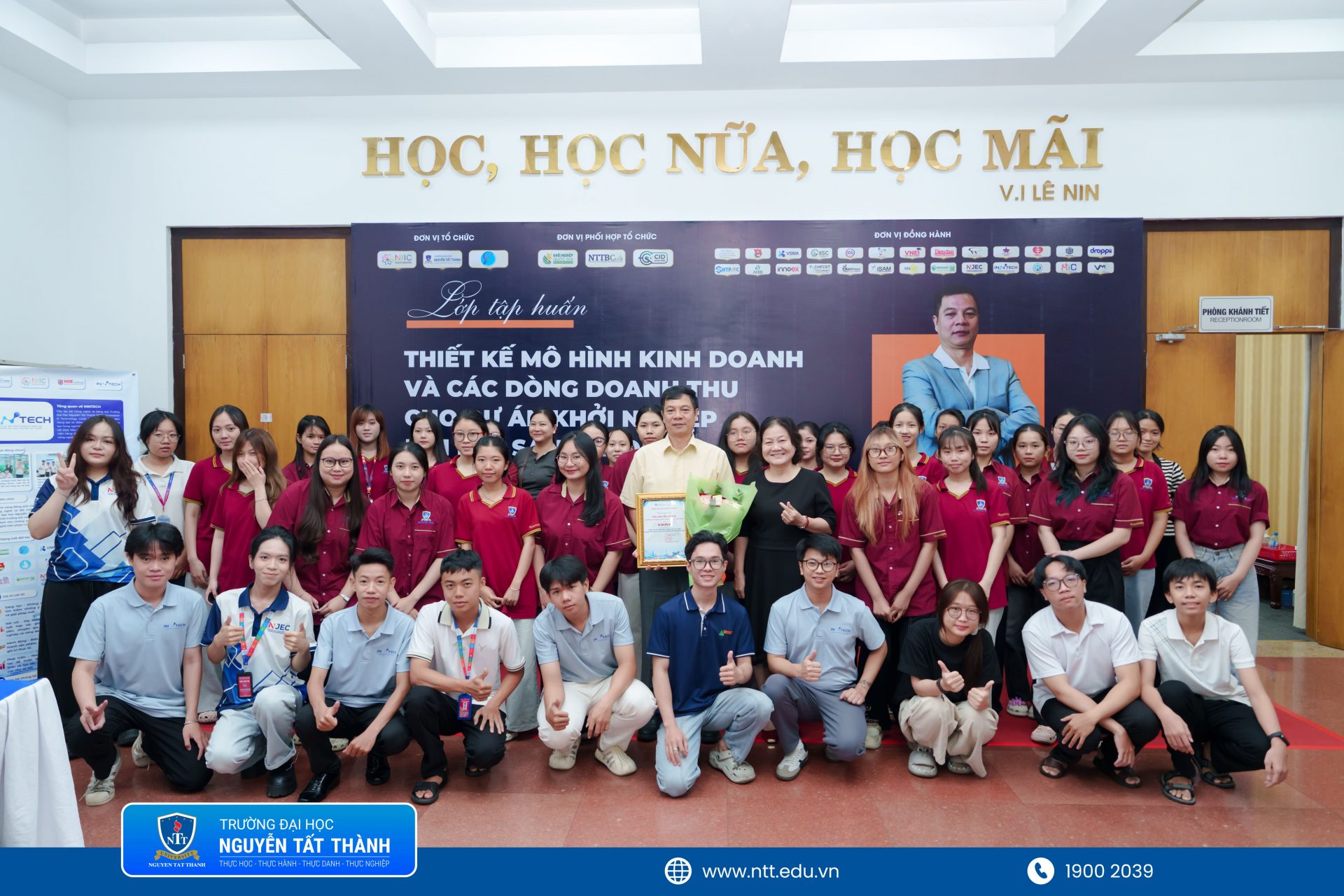
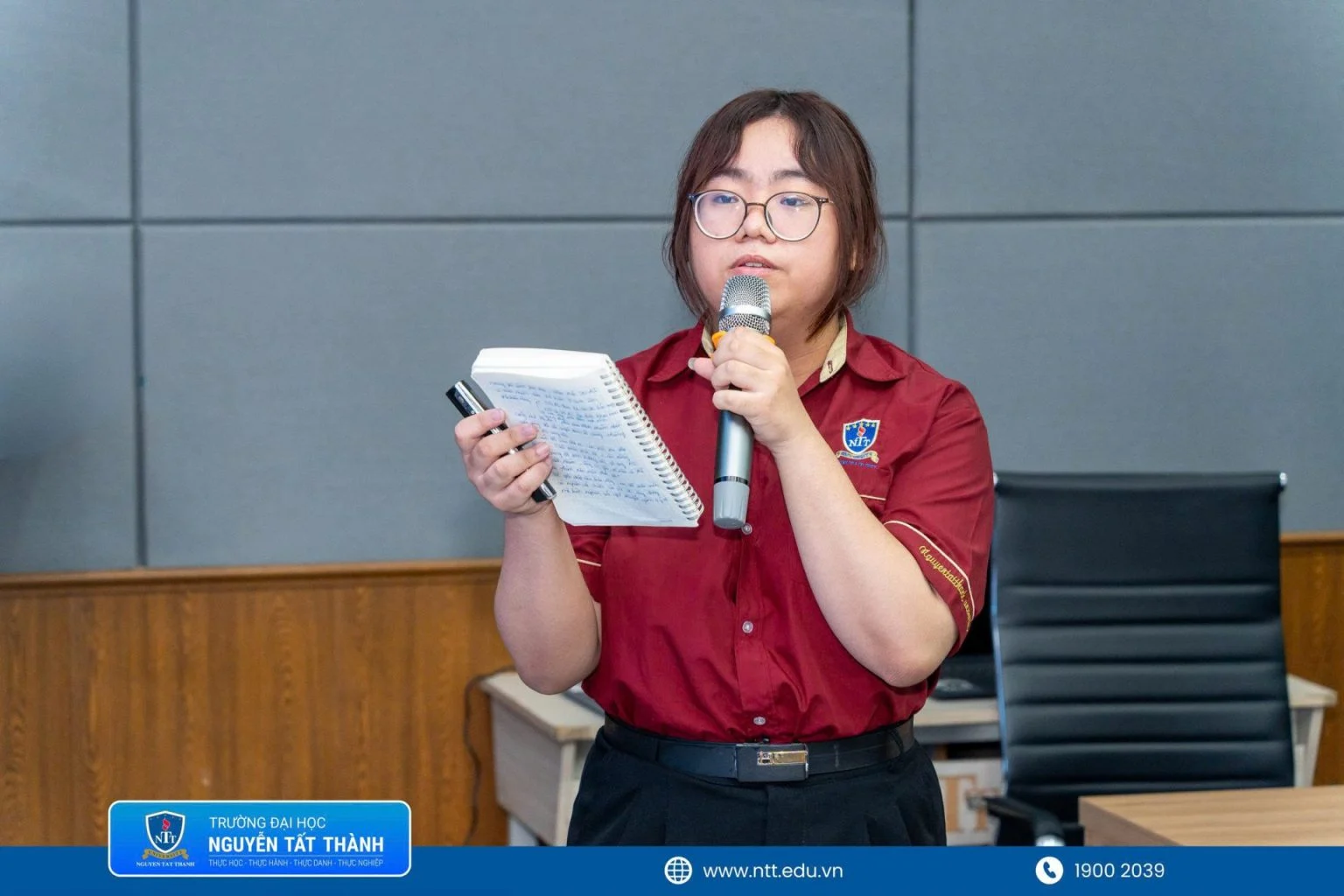
The training program attracted the participation of over 60 students and members of innovative startup projects at Nguyen Tat Thanh University
Starting from Actual Customer Needs
One of the core contents of the program was guiding trainees to use the Value Proposition Canvas (VPC) to clearly identify customer profiles and check the fit between market demand and the solutions being developed by the projects. By analyzing customers’ jobs to be done, their pain points, and the value they desire, students step-by-step adjusted their products toward a more practical approach. This method helps groups avoid developing products solely based on assumptions or focusing too much on features without solving the user’s actual problems.
From the customer analysis results, trainees continued to define the differential value that the product can create. This serves as the foundation for projects to answer key questions: Who are the target customers, what problem is the project solving, why do customers choose the solution, and what competitive advantages can be sustained throughout development…
Based on the established value foundation, Mr. Nguyen Le Kha guided trainees in building the Business Model Canvas (BMC), clarifying the connections among customer segments, value propositions, channels, customer relationships, resources, activities, partners, cost structures, and revenue streams. The training content placed the business model within an ongoing operational process—from design thinking to understand customers, BMC to structure business operations, agile development methods to test solutions, to preparing resources and raising capital. Through this, students understand that a business model is not a fixed plan but needs to be regularly verified and adjusted according to market feedback.
Practical scenarios regarding multi-sided platform models, startup operations, and how investors evaluate projects were also integrated into the lecture. Trainees were prompted on how to view assets, networking connections, scalability, and product-market fit.
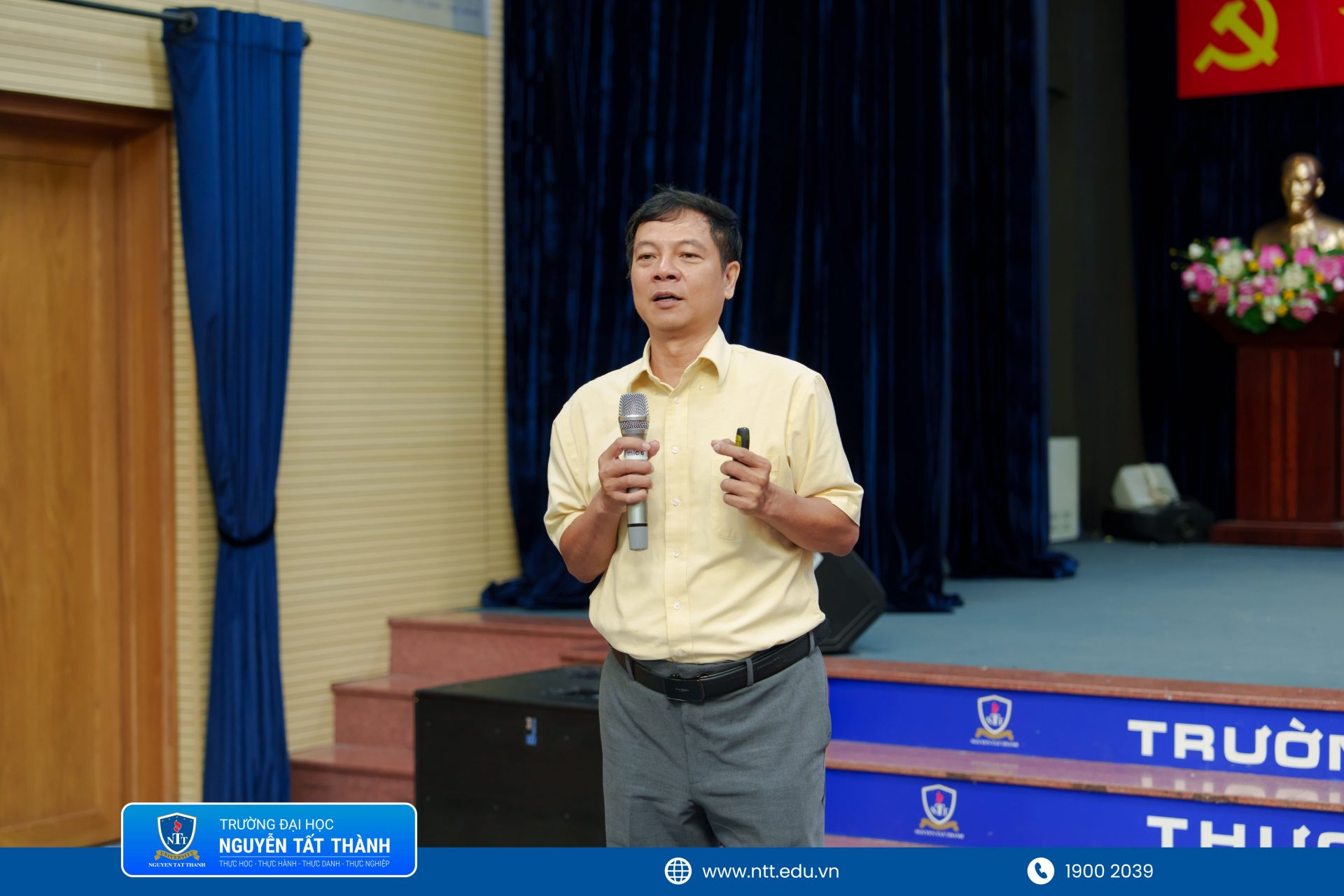
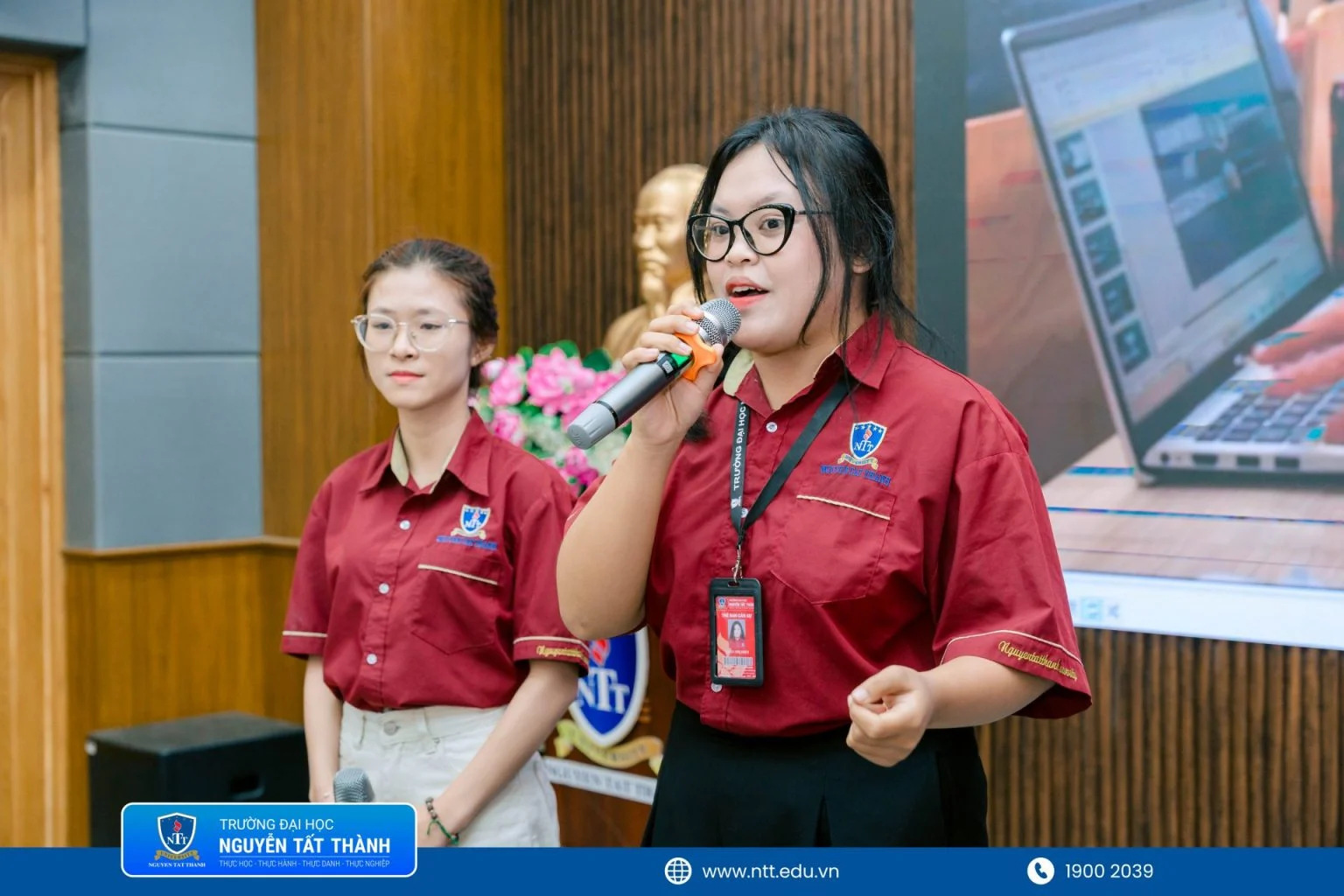
Mr. Nguyen Le Kha guiding students in customer analysis and building a Business Model Canvas for startup projects
Designing Revenue Streams Aligned with Commercialization Capabilities
Alongside building business models, the program dedicated time to analyzing popular revenue generation methods in startups such as product sales, service fees, subscriptions, licensing, rentals, brokerage, advertising, memberships, and hybrid models combining multiple income sources. Instead of choosing a revenue stream based on intuition, groups were directed to consider customer affordability, the cost of creating value, market size, expansion speed, and cash flow stability. Placing revenue in relation to the cost structure helped students evaluate the survival and development capabilities of their projects more closely.
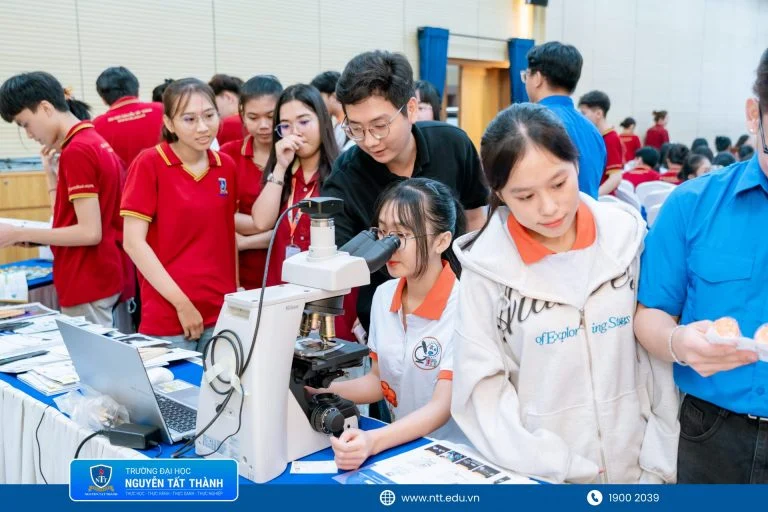
During the class, trainees also participated in “cognitive check stations,” case study exercises, and group activities. In the business model and revenue stream design practice, groups had to quickly choose customer segments, define core value, and propose suitable revenue generation methods. Direct discussions helped members realize inconsistencies within their models while training their critical thinking and decision-making skills.
The final content of the program connected the business model with the process of building a profile and pitch deck for fundraising. Trainees were guided on how to concisely present the problem, solution, market size, project traction, execution team, and resource needs. Clarifying the revenue model and financial logic helps projects increase their persuasiveness when participating in startup competitions or accessing incubation programs. These are also elements typically valued by expert panels and investors when assessing project feasibility.

Trainees learning business models through games at the training session
Through the training session, students not only accessed business model design tools but also formed verification mindsets, market analysis capabilities, and project presentation skills. For lecturers and parents, the program stands as evidence of the practice-oriented startup training direction at Nguyen Tat Thanh University, where students learn through experience, solve real-world problems, and develop ideas according to corporate needs. This is also one of the activities contributing to perfecting the innovation and startup ecosystem within the University, supporting students in “transforming” specialized knowledge into valuable solutions, gradually bringing ideas closer to the market.
News: Dai Hai
Photos: Media Team