
 Tiếng Việt
 Home
Home Introduction
 Announcements
 Student Essential
 Event attendance lists
AI can help students search for information faster, assist with data analysis, content creation, and personalized learning. However, as technology increasingly steps in to perform more tasks, the challenge is not just knowing how to use AI, but also the ability to verify information, maintain independent thinking, and take responsibility for one’s own work.
This narrative was emphasized at the scientific conference “Marketing Automation in the Digital Era”, organized by the Marketing Department, Faculty of Business Administration, Nguyen Tat Thanh University (NTTU) on August 21 at Auditorium L906.
In the context where artificial intelligence, big data, and automation tools are increasingly integrated into marketing, corporate governance, logistics, customer service, and education, the presentations at the conference touched not only on what technology can achieve, but also expanded to critical questions regarding digital capabilities, critical thinking, academic integrity, privacy, and data security.
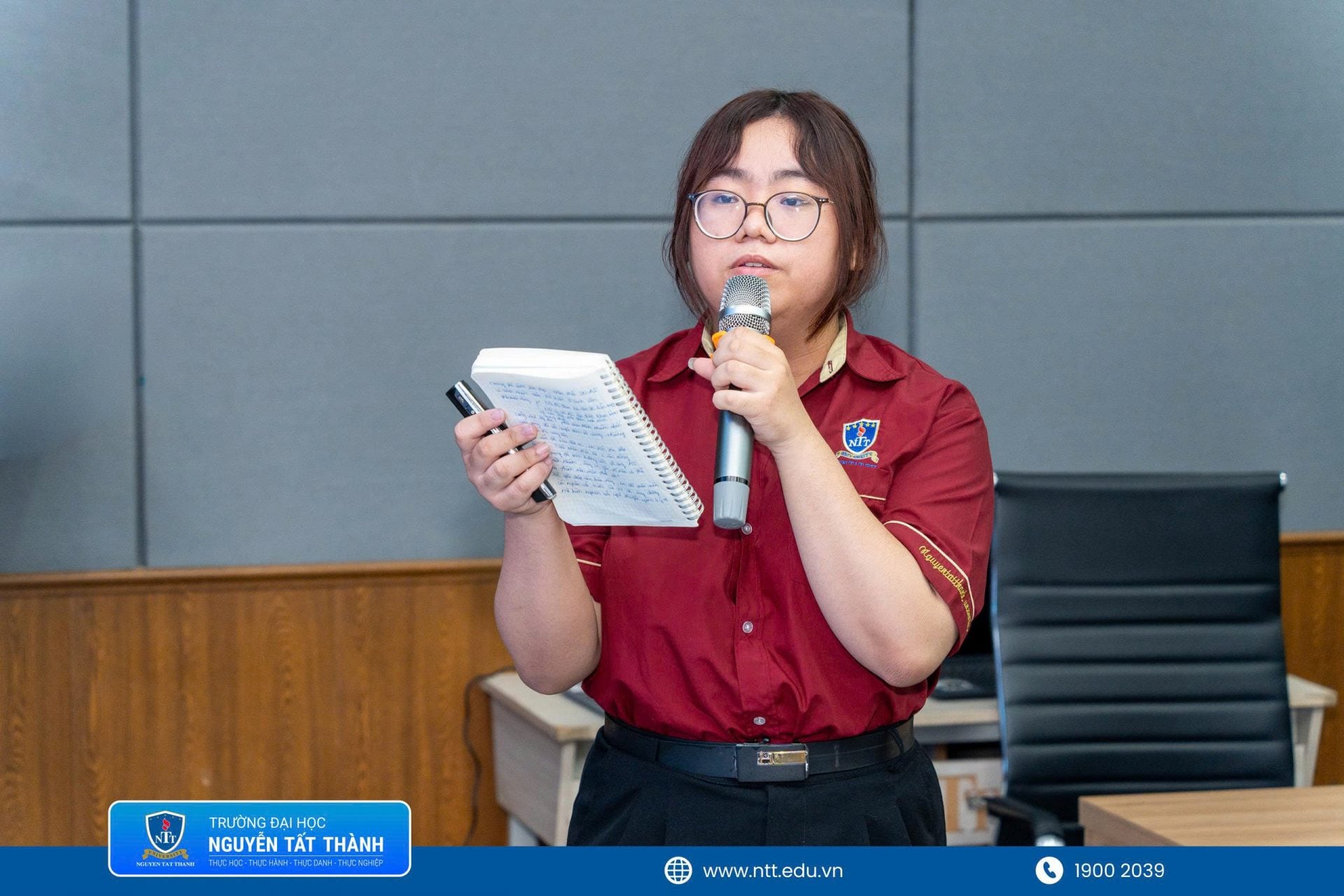
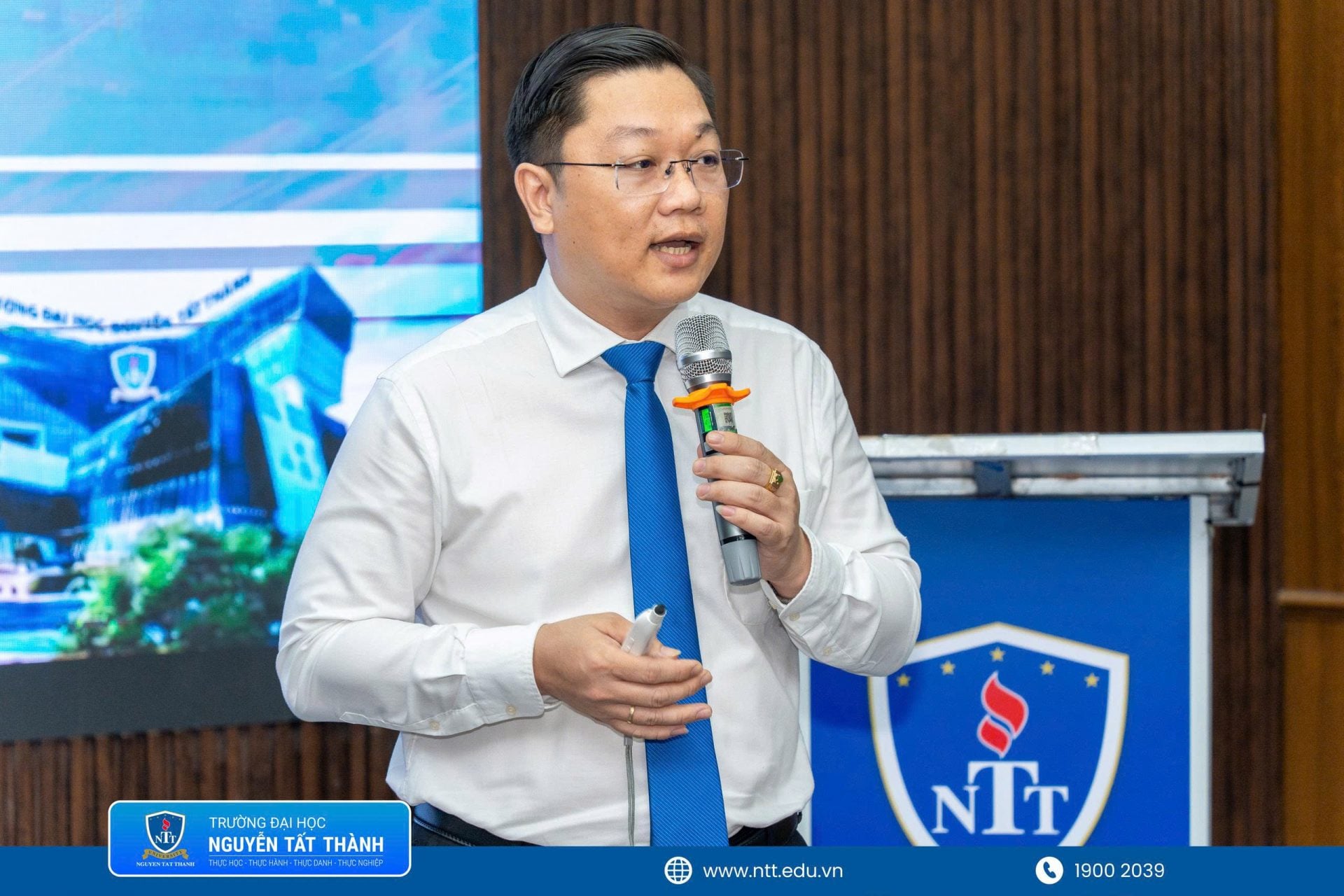
The conference attracted 51 papers, including 20 by students, featuring research that approaches AI and automation from various angles such as customer experience management, smart logistics, and responsible AI usage in learning environments.
Insights from 51 papers: AI goes beyond product recommendations
This year’s conference received 51 papers, 20 of which were authored by students. The research spans digital marketing, customer experience, smart logistics, and the applications of AI and technology in learning environments.
For students, participating in research opens up a different approach to AI. Instead of merely using tools for information gathering or content generation, learners must define research problems themselves, collect and process data, write papers, and present and defend their findings. Through this process, capabilities such as research methodology, critical thinking, and academic responsibility are cultivated more clearly.
From the submitted submissions, the Organizing Committee selected 3 outstanding papers for live presentation, addressing AI and automation respectively from the perspectives of customer experience, logistics operations, and the learning environment.
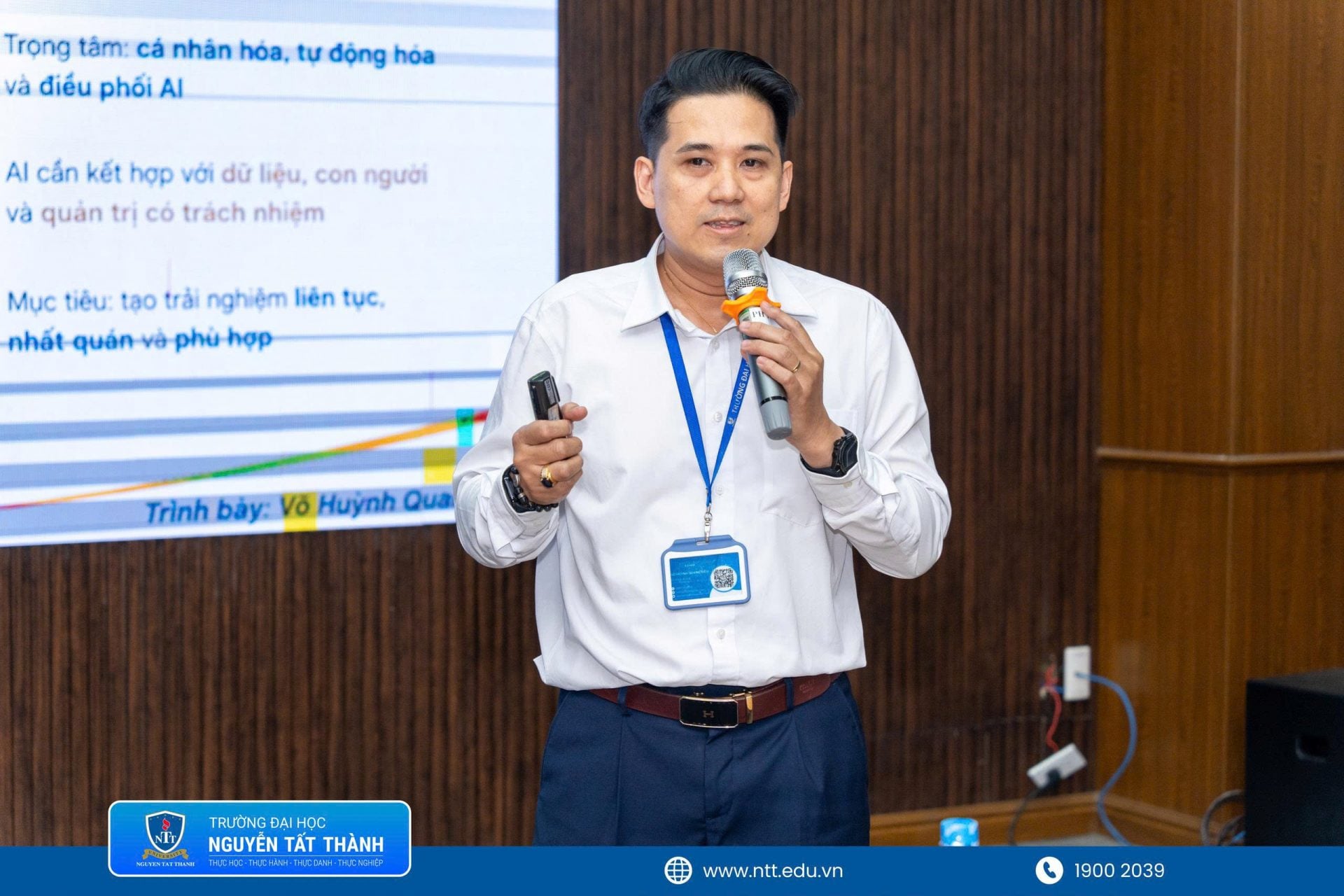
From a customer experience perspective, the paper titled “An Overview of Integrating Customer Experience Transformation from Personalization to Automation using AI” by Tran Ngoc Khanh Vinh and Vo Huynh Quang Hieu analyzes the shifting role of AI in customer experience management.
While AI was previously used primarily to segment customers, recommend products, or personalize content at individual touchpoints, technology is now evolving toward deeper integration across the entire customer journey.
AI can support businesses in identifying signals, analyzing context, recommending actions, and selecting appropriate timing and communication channels. From personalizing individual pieces of content, enterprises are moving toward connecting multiple touchpoints to create a seamless and consistent experience.
However, higher levels of automation bring greater management requirements. The paper highlights that AI only creates genuine value when tied to actual customer needs, supervised by humans, and grounded in principles of ethics, transparency, privacy, and data control rights.
From a different angle, the paper “Warehouse Logistics Automation to Enhance Digital Customer Experience: Practical Insights in Ho Chi Minh City” by Vu Nhat Phuong delves into the logistics operating system of an order.
The study examines technologies such as warehouse management systems, automated guided vehicles, autonomous mobile robots, the Internet of Things, and artificial intelligence. Integrating these technologies into logistics activities can help businesses reduce manual tasks, increase productivity, shorten order processing times, and minimize operational errors.
According to the study, warehouse automation can improve four aspects of the digital customer experience: delivery speed, responsiveness, order accuracy, and information transparency. However, businesses still face challenges related to investment costs, technological infrastructure, and a digitally skilled workforce.
These results also show that customer experience is not determined solely by advertising, content, or shopping interfaces. Behind-the-scenes operational quality, from order processing to delivery and information provision, directly impacts buyer experience.
A marketing campaign may bring customers closer to a purchase decision, but effectiveness is hard to maintain if delivery is delayed, incorrect products are shipped, or service transparency is lacking. Therefore, marketing automation increasingly needs to be viewed in connection with an enterprise’s overall operations, rather than being confined to communication touchpoints.

Assoc. Prof. Dr. Nguyen Xuan Nhi – Dean of the Faculty of Business Administration, sharing perspectives on student training requirements as AI increasingly impacts the business and marketing sectors.
Survey of 129 students: Knowing how to use AI doesn’t mean using it responsibly
While the previous two papers approached AI from business operations, student Ha Vu Kieu Anh’s research raised issues right within the academic environment.
The project “Factors Affecting the Awareness of Responsible AI Usage in Learning among Nguyen Tat Thanh University Students” was conducted based on survey data from 129 students, analyzing 4 factors: AI knowledge, academic ethics, critical thinking, and AI usage experience.
The findings reveal that academic ethics has the strongest positive impact on awareness of responsible AI use, followed by critical thinking. Meanwhile, AI knowledge and AI usage experience did not reach statistical significance within the research model.
This discovery shows that frequent use or proficiency in AI tools is insufficient to ensure that learners use technology properly. According to the study, academic ethics and critical thinking capacity are the key factors shaping awareness around responsible AI usage.
Based on these findings, the research team recommended that the university continue updating guidelines on AI usage, strengthen education on academic integrity, and design learning activities that require students to verify, analyze, and take accountability for AI-assisted content.
From an educational stance, Assoc. Prof. Dr. Nguyen Xuan Nhi – Dean of the Faculty of Business Administration – noted that the rapid advancement of AI presents new demands for business and marketing students. Learners must not only know how to leverage technology to boost efficiency, but also comprehend the problems they are solving, possess the ability to verify information, and remain accountable for decisions made with AI assistance.
According to Assoc. Prof. Dr. Nguyen Xuan Nhi: What matters most in a university environment is empowering students to master technology rather than depend on it. Therefore, alongside updating new tools and trends, engaging in research, case study analysis, and practical problem-solving provides an ideal environment for learners to hone critical thinking, core expertise, and decision-making capabilities.
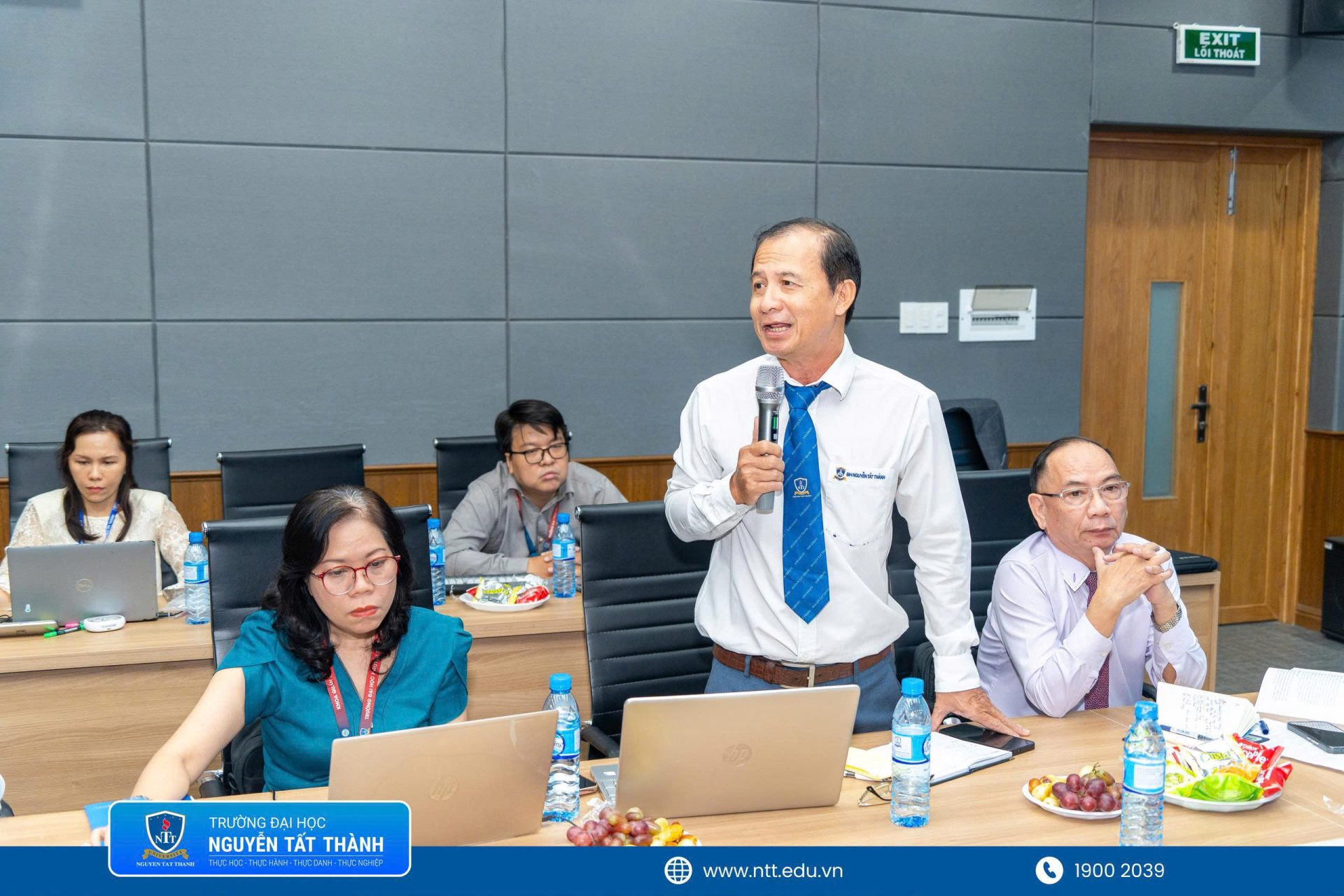
M.Sc. Cao Minh Nhut – Head of the Marketing Department speaking at the Conference
Don’t let AI create an “illusion of competence”
Drawing from students’ practical AI usage, M.Sc. Cao Minh Nhut – Head of the Marketing Department – pointed out another risk: learners might overestimate their actual competence when assisted by technology.
AI can help accomplish tasks faster, present content more fluently, or process large amounts of information in a short timeframe, but that does not necessarily mean the user’s knowledge, analytical skills, and professional competence increase accordingly.
According to M.Sc. Cao Minh Nhut, students should not let AI generate an “illusion of competence”. Technology should be viewed as a supporting tool rather than a replacement for self-directed learning, analysis, and building genuine expertise.
Alongside this comes the imperative of information verification. An AI-generated answer might sound articulate and persuasive, yet it can still contain inaccurate information or cite non-existent sources. Therefore, knowing how to write prompts is only part of AI competency; learners must also know how to cross-reference materials, check sources, and evaluate content credibility before use.
Data security is another crucial consideration. Students should not upload lecture slides, internal documents, exam papers, or proprietary data onto AI platforms without authorization. Sharing data with external systems touches on broader concerns regarding privacy, information security, and intellectual property rights.
From a learner’s perspective, student Pham Ngoc Tuong Vy (Class 24DMK1B), one of the student paper contributors, shared that the conference helped her gain deeper insights into technology application trends as well as how enterprises employ AI and automation tools.
According to Tuong Vy, Marketing students need to proactively equip themselves with tech knowledge and digital skills to adapt to rapid shifts in the labor market.
This requirement is increasingly obvious as AI is already integrated into various marketing functions, from market research and insight discovery to content creation, data processing, customer care, and campaign execution support.


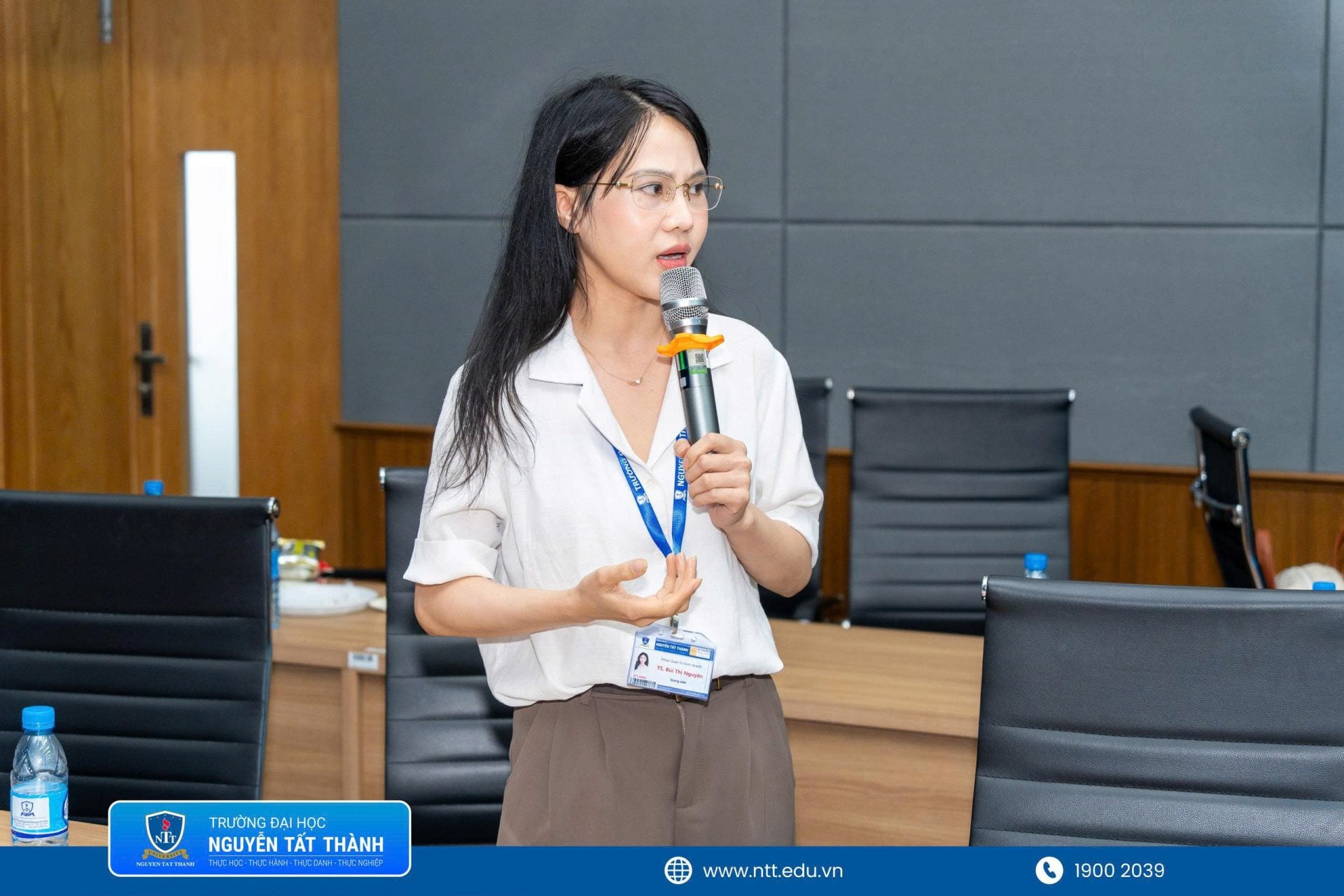
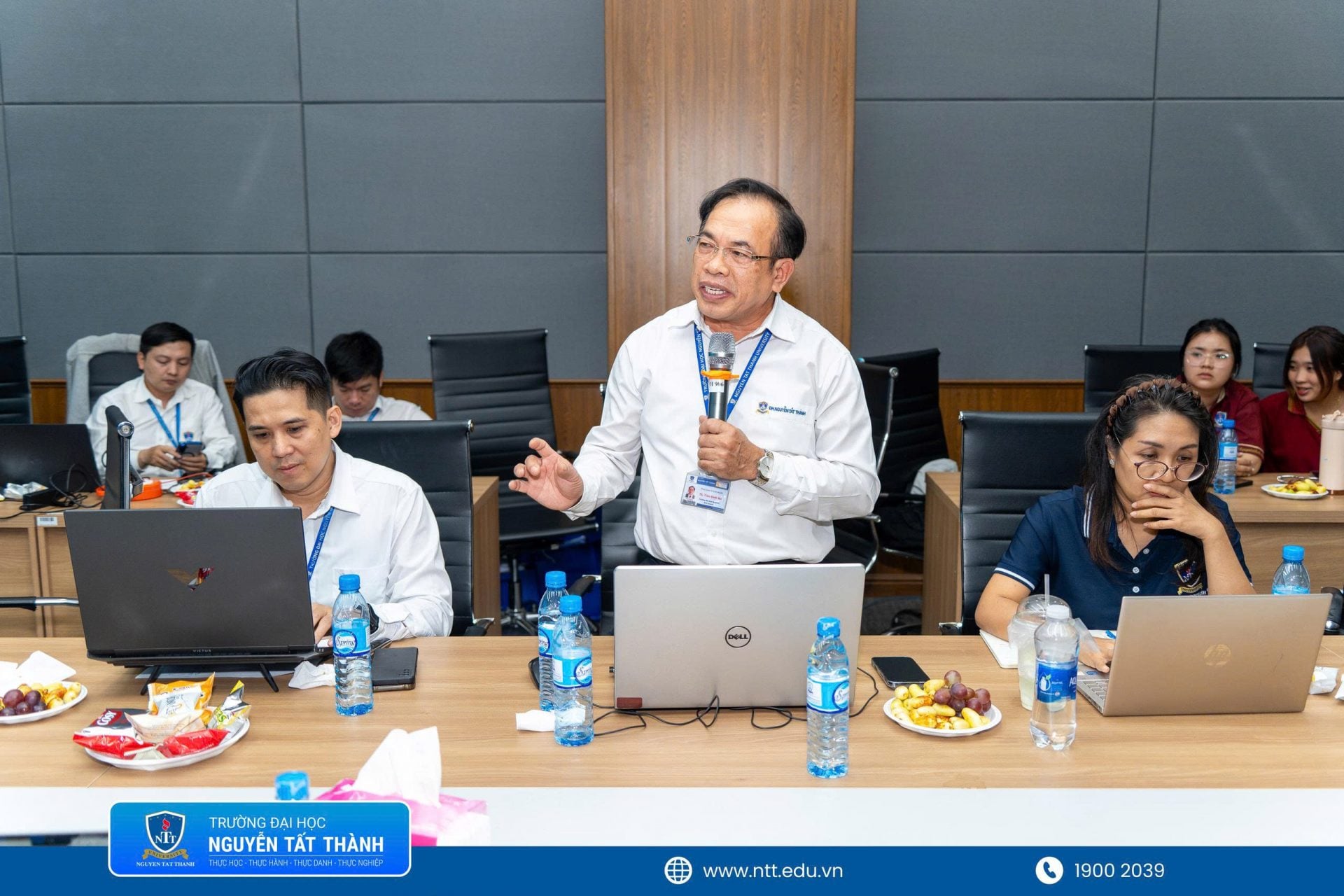
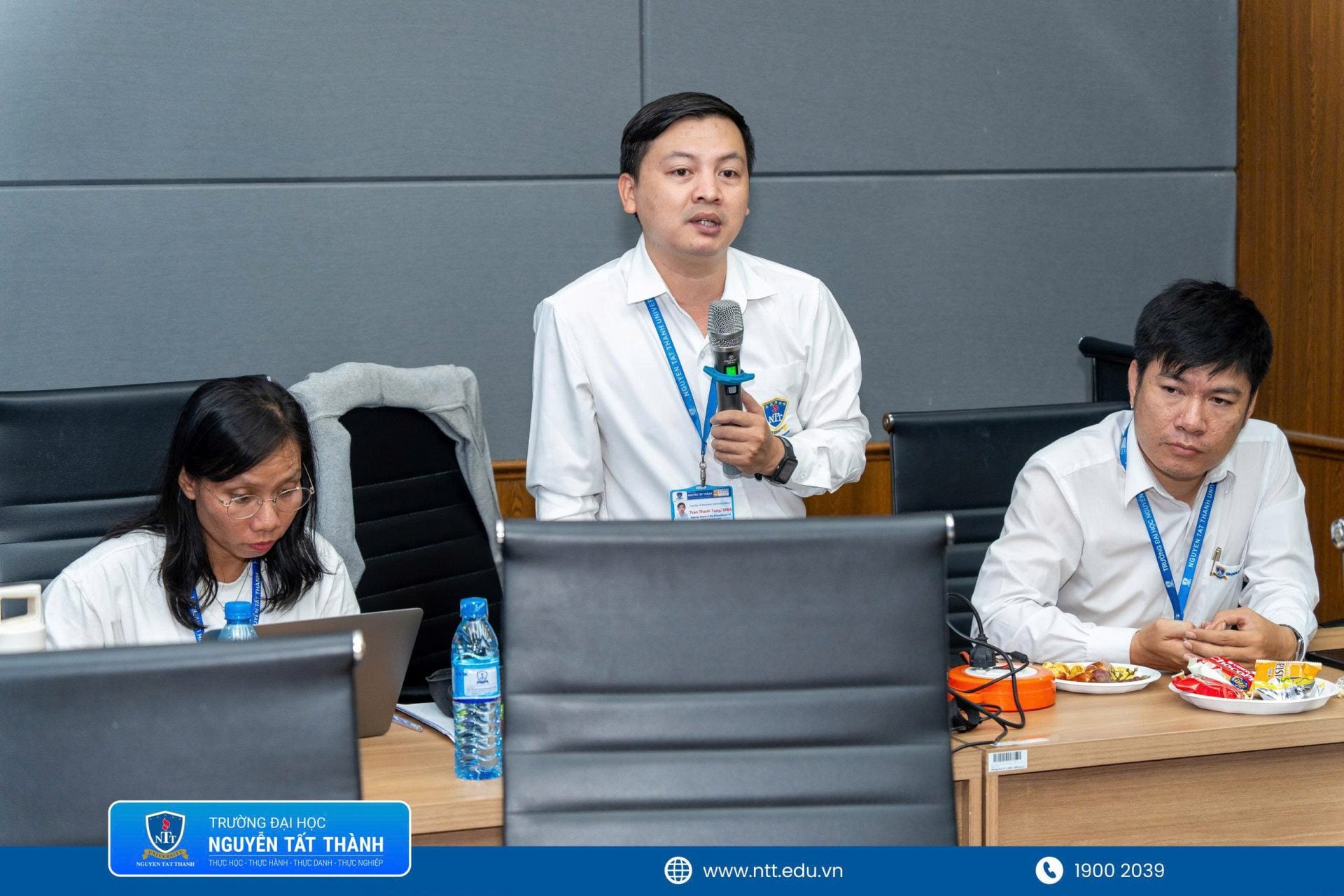
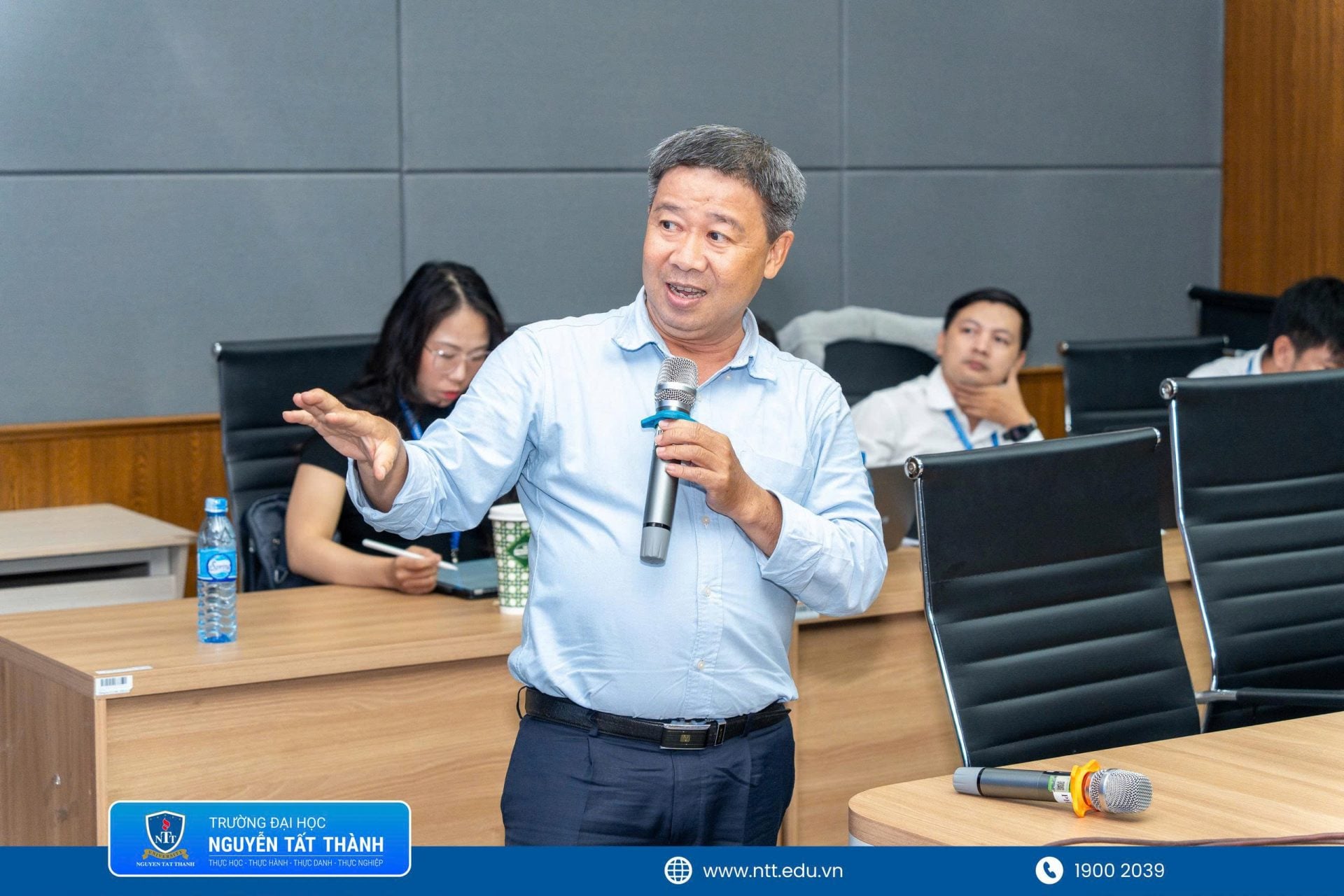
Notably, 20 out of the total 51 submitted papers came from students. The direct participation of learners in investigating issues surrounding AI, automation, and digital transformation demonstrates that technology adoption is moving beyond basic tool utilization into asking questions, analyzing, and solving practical real-world problems.
The three presentations showcased at the conference also reflect the expanding scope of AI’s impact: from personalizing customer experiences and automating logistics to integrating technology into academic learning.
In enterprise settings, automation raises requirements regarding customer experience, operational infrastructure, and data responsibility. In higher education, the emerging concerns pivot around academic integrity, data privacy, critical thinking, and the ability to verify AI-generated content.
As AI becomes increasingly prevalent in both lecture halls and marketing careers, knowing how to use tools is merely the starting line. Technology can empower individuals to work faster and achieve more, but the capacity to question, evaluate information, make decisions, and accept responsibility for final outcomes remains an irreplaceable competence that learners must cultivate themselves.
Article by: Cam Thach
Photos: Media Team