
 Tiếng Việt
 Home
Home Introduction
 Announcements
 Student Essential
 Event attendance lists
To create a legal corridor for the effective exploitation and use of these learning resources, the Ministry of Education and Training issued Circular No. 61/2026/TT-BGDĐT regulating the exploitation and use of open educational resources (OER) in higher education activities, effective from September 1, 2026.
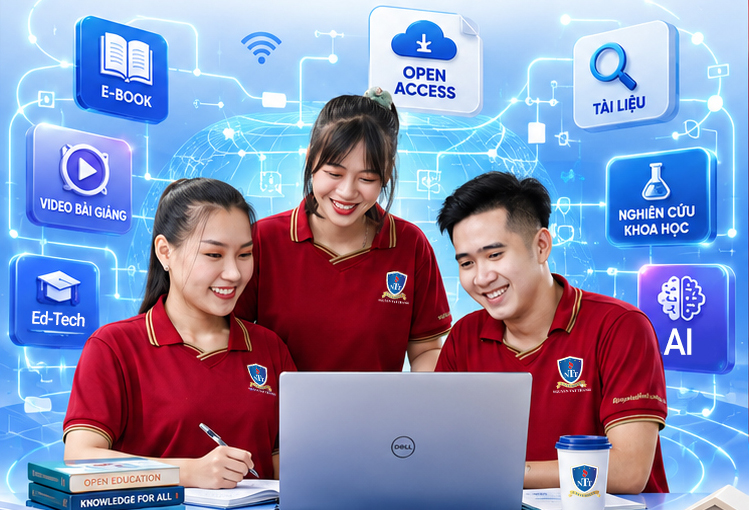
The Circular contributes to promoting the development of digital higher education, expanding access to knowledge, enhancing the sharing of learning materials, and establishing an open educational resource connection network among higher education institutions nationwide.
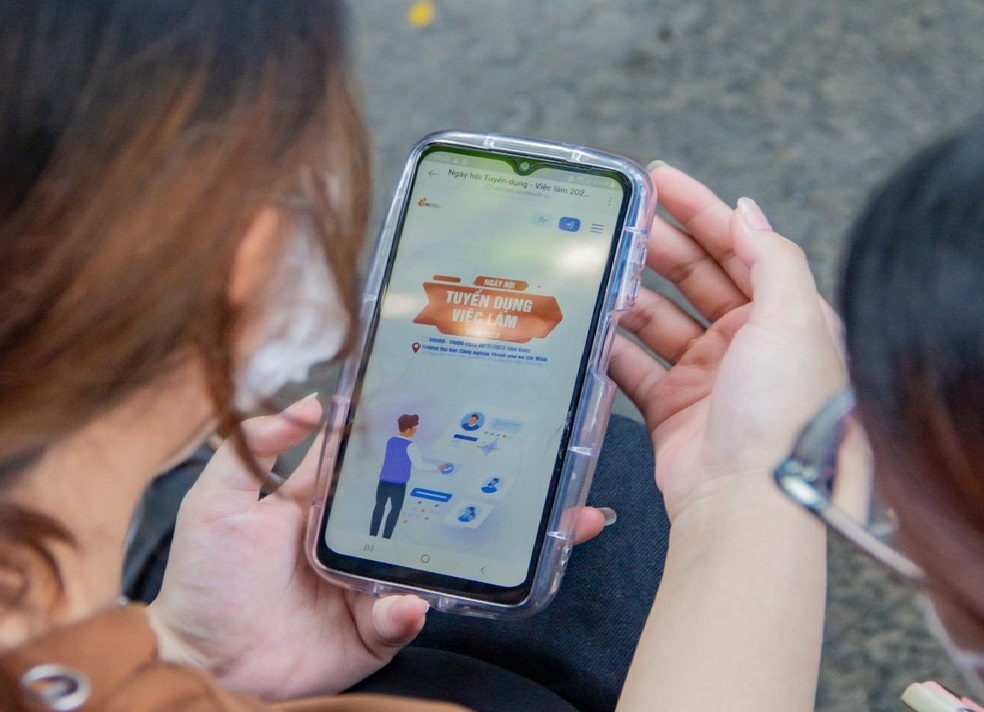
With just a laptop or a smartphone connected to the Internet, you can access thousands of quality textbooks, lectures, courses, and learning materials from around the world for study and research.
📖 What are Open Educational Resources (OER)?
These are teaching, learning, and research materials released under an open license, allowing users to access, store, reuse, adapt, remix, and redistribute them in accordance with the specific terms of the license.
📚 Textbooks | 🎓 Lectures | 📄 Reference materials | 💻 Online courses | 🎥 Multimedia learning materials | 📊 Learning data and other educational resources.
🎯 What should students keep in mind? When accessing and using open educational resources, always remember:
✅ Use resources strictly within the scope and terms of the open license.
📝 Properly cite sources and authors’ names when using learning materials.
⚖️ Respect copyright and intellectual property rights, and maintain academic integrity in learning and research.
🚫 Do not use open educational resources to disseminate false information, violate the law, or infringe upon the legitimate rights and interests of other organizations or individuals.
🌱 Benefits of Open Educational Resources
The effective exploitation and use of open educational resources will help students:
📖 Access high-quality, diverse, and up-to-date learning resources.
💰 Save costs on purchasing learning materials.
🔍 Proactively search, research, and improve self-study skills.
💡 Develop creative thinking, learning capacity, and research capabilities in a digital environment.
🌐 Contribute to building a modern educational environment, promoting knowledge sharing and lifelong learning.
Effectively exploiting and using open educational resources not only helps students access quality learning materials, save costs, and enhance learning efficiency, but also contributes to building a modern digital educational environment, fostering innovation, and advancing a lifelong learning culture.

Biết thêm chi tiết tại trang này : https://ntt.edu.vn/