
 Tiếng Việt
 Home
Home Introduction
 Announcements
 Student Essential
 Event attendance lists
On July 14, 2026, the discussion session “Modern Family Traditions” took place at the Ho Chi Minh City Innovation and Entrepreneurship Center (SIHUB). This event was part of the “IKI Co-Creation – Co-creating Connected Living Spaces” program. The program created a space for exchange between students, experts, and businesses regarding family culture, multi-generational life, and solutions to foster connection in a modern context.
NTTU accompanies and promotes the spirit of co-creation
At the program, Ms. Pham Thi Lan Khanh – Director of Flamingo Digital Media JSC and Head of the IKI Co-Creation contest organizing committee, expressed her gratitude to Nguyen Tat Thanh University, the unit that coordinated and accompanied the contest from the very beginning.
According to Ms. Pham Thi Lan Khanh, the enthusiastic response from the University and the NTTU student community has been a great encouragement to the organizing committee throughout the three-month journey of bringing the contest closer to young people. This companionship is not only demonstrated through coordination activities but is also reflected in the number of practical ideas submitted by students to the contest.
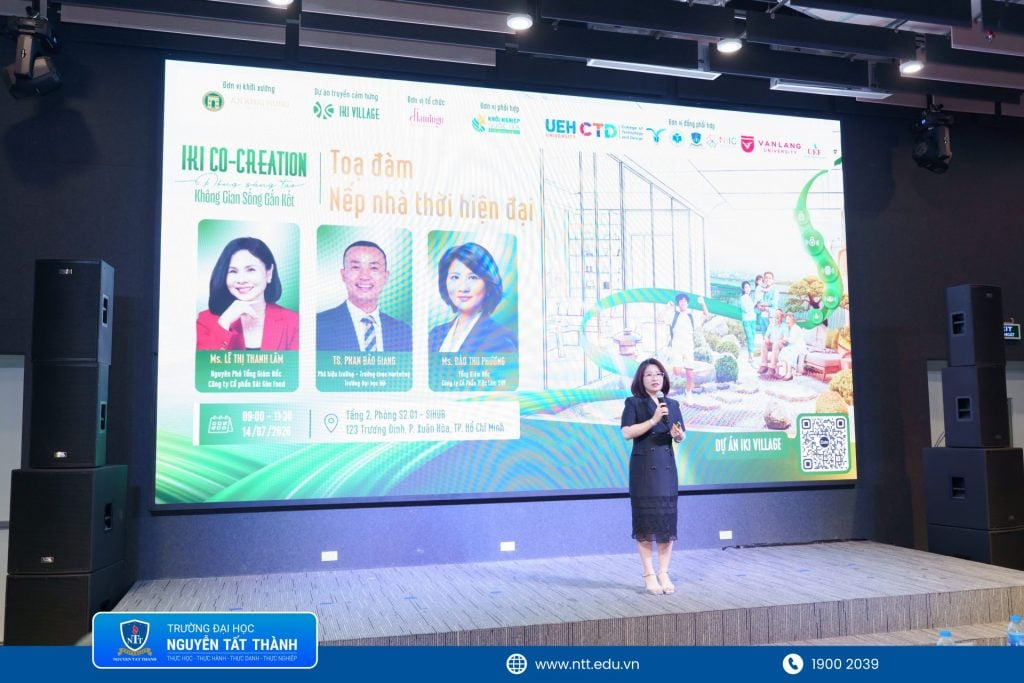
Ms. Pham Thi Lan Khanh thanks Nguyen Tat Thanh University for accompanying the contest
Previously, in April 2026, Nguyen Tat Thanh University hosted the launch ceremony of the IKI Co-Creation contest, attracting more than 200 students. Right at the opening event, NTTU students actively interacted, asked questions, and exchanged ideas with experts on how to turn creative concepts into practical solutions in life.
After nearly three months, the organizing committee recorded over 930 students registering from many universities across the country. Specifically, Nguyen Tat Thanh University submitted nearly 100 ideas across all three categories, including: IKI Landscape Design – designing landscapes to foster family activities; IKI Family Rituals – building family rituals and lifestyles; and IKI Living OS – technology applications to support connection among members.
This figure demonstrates the appeal of the contest to NTTU students while reflecting the ability to approach problems from various perspectives such as architecture, design, technology, communication, marketing, and psychology and human behavior.
Moving beyond attending an event, NTTU students have turned their interest into specific proposals. This is the prominent value in the process of accompanying the contest: learners are encouraged to observe life’s problems, identify practical needs, and develop ideas in an interdisciplinary direction.
Finding solutions for the disconnection between generations
IKI Co-Creation was built on an increasingly prevalent problem in many families: members may live under the same roof but lack time to talk, share, and form common experiences.
Differences in age, habits, lifestyle rhythms, and the use of technology can create invisible gaps between grandparents, parents, and children. Therefore, the contest does not just look for visually appealing designs but aims for solutions capable of sparking interaction, maintaining common living routines, and balancing the need for connection with the privacy of each member.
It can be seen that the contest’s three categories represent different approaches to the family problem but all aim for the goal of creating living spaces capable of nurturing relationships between people.
Through this, the contest provides students with a creative and practical playground. Participants do not just present ideas but must also study behavior, understand the needs of each generation, and prove that their solutions can be maintained in daily life.
When “family traditions” are viewed from today’s lifestyle
The highlight of the program was the thematic sharing on “Modern Family Traditions” by Dr. Phan Bao Giang – Vice Principal and Dean of the Faculty of Marketing, University of Economics and Finance, Ho Chi Minh City (UEF).
From the topic of family traditions, the program expanded the discussion on how family values can be maintained under changed living conditions. Family traditions in modern society do not necessarily exist only as fixed rules, but can be formed from small activities, suitable for the schedule and needs of each family.
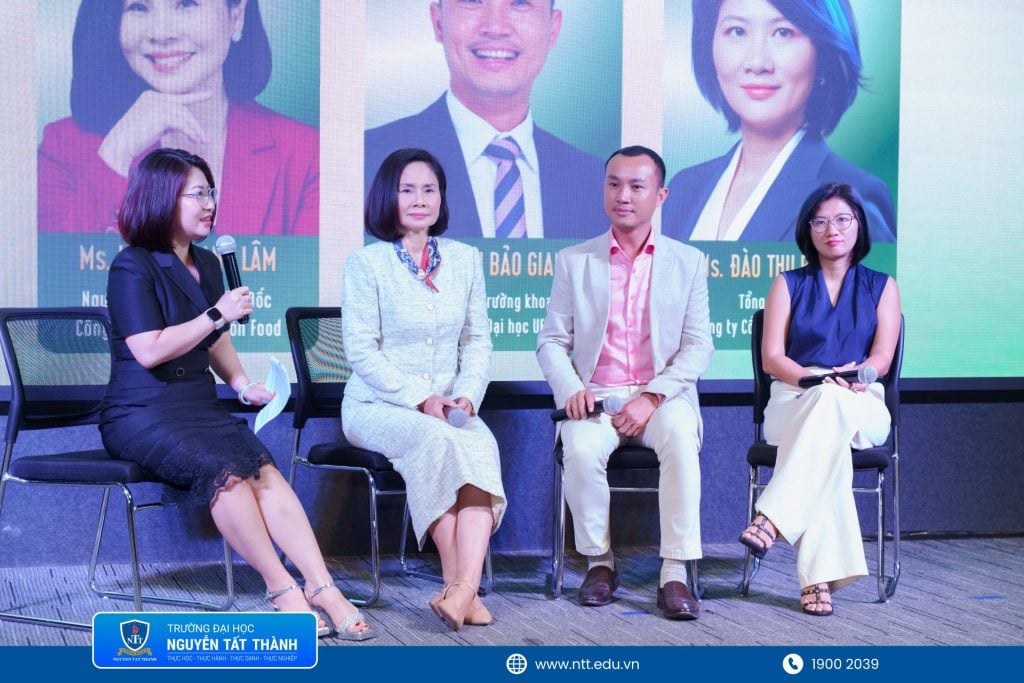
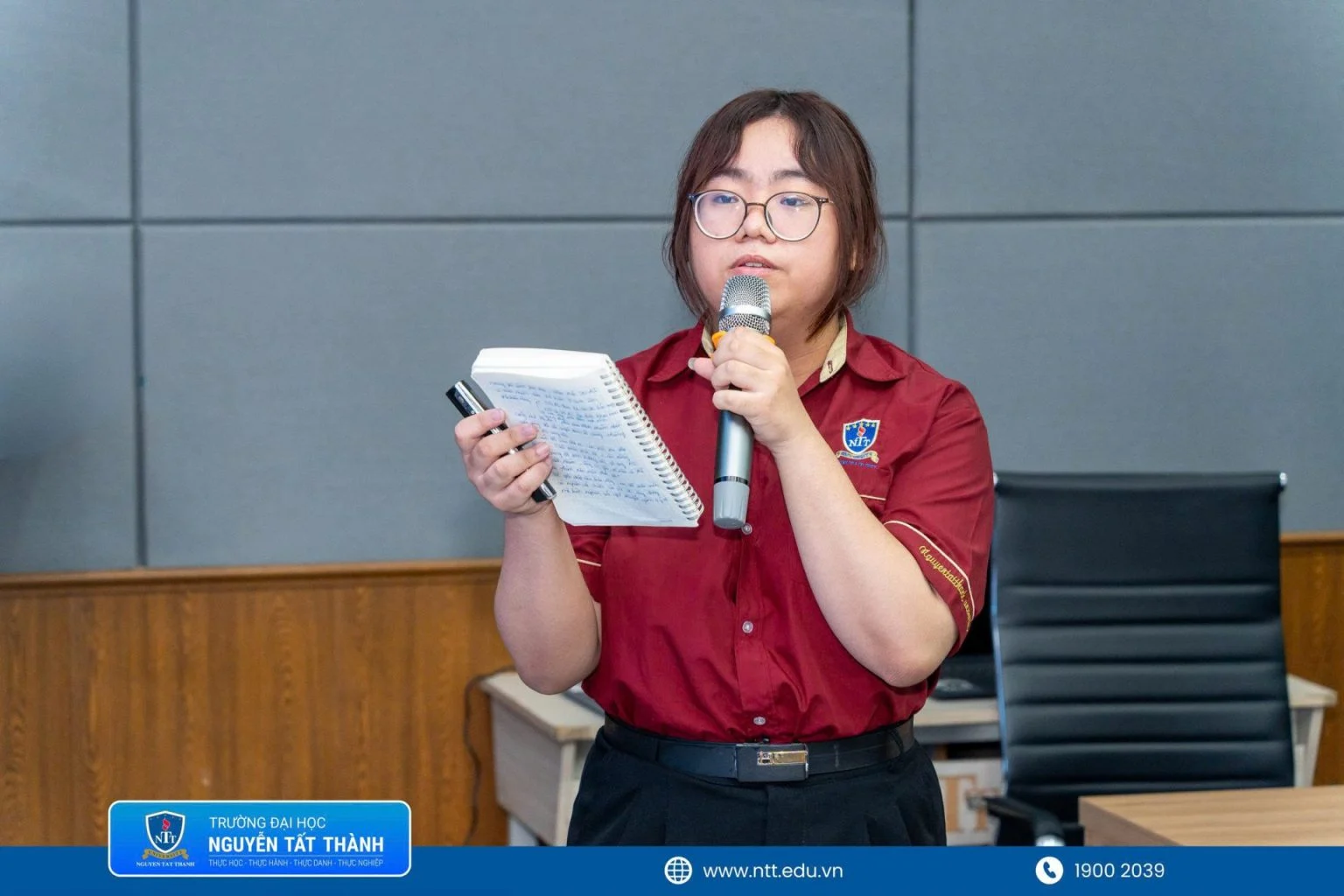
Speakers sharing at the discussion session
A meal maintained regularly, time spent without electronic devices, a period of gardening, or an activity to preserve memories together can become the fabric that forms bonds. The important thing is that these activities must be natural, flexible, and repeatable, rather than becoming obligations that pressure members.
From that perspective, living space is also placed in direct relation to human behavior. A house can only support connection when its design creates opportunities for members to meet, interact, and participate in meaningful activities together.
NTTU students actively engage in dialogue with experts
During the exchange session, Nguyen Tat Thanh University students actively asked questions and discussed directly with Dr. Phan Bao Giang about issues arising in the process of observing family life and developing contest ideas.
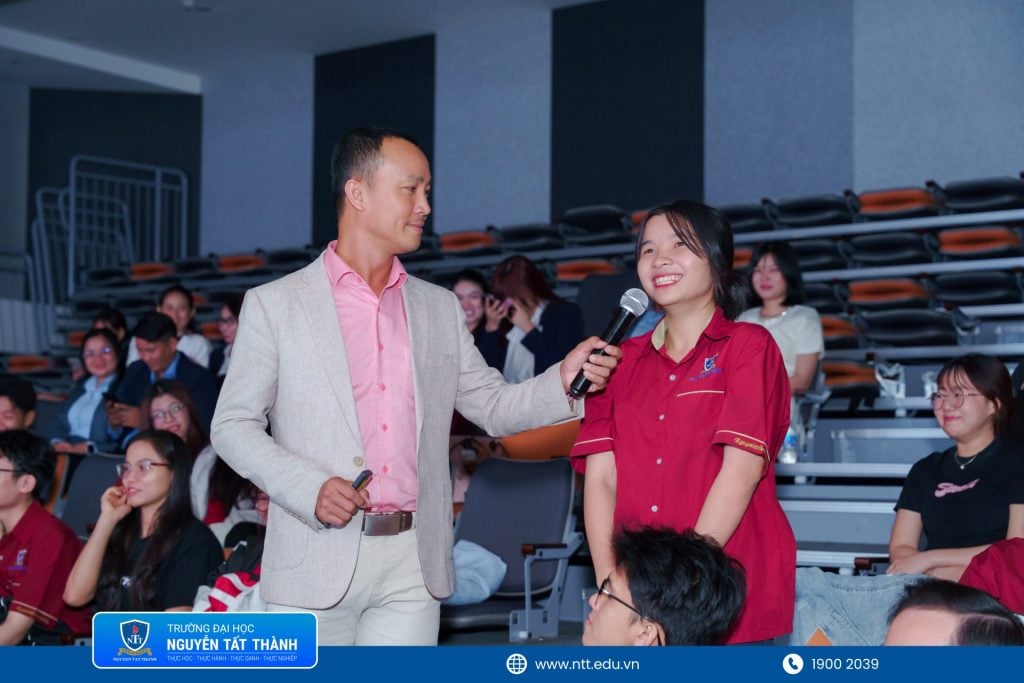
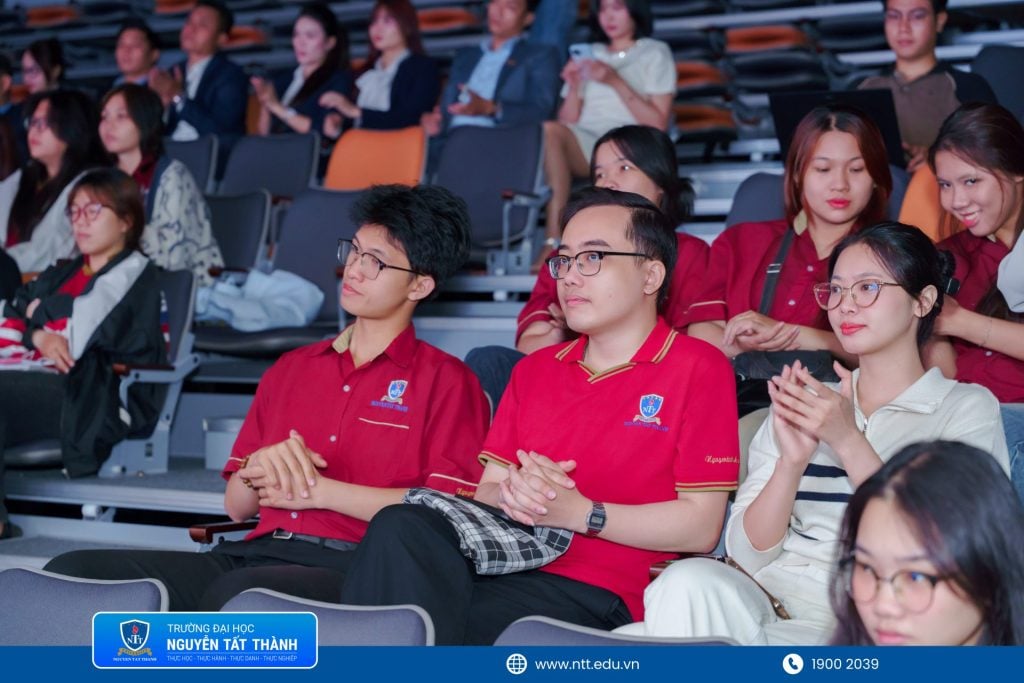
NTTU students exchange with speakers about issues arising in the process of observing family life and developing contest ideas.
Student participation helped the discussion session go beyond one-way sharing. Issues from the actual experiences of young people were brought into the dialogue, thereby connecting professional analysis with the perspective of a generation directly impacted by changes in family structure, living environment, and technology.
This was also an opportunity for students to re-examine the assumptions in their ideas. A solution only truly has value when it does not impose a way of life on a family, does not consider technology as the only answer, and does not equate spatial closeness with emotional attachment.
Through the process of asking questions, listening to critical feedback, and receiving perspectives from experts, students had more foundation to perfect their proposals to be practical, suitable for the needs of many generations, and capable of implementation in life.
The “Modern Family Traditions” discussion continued to extend the co-creation journey launched at Nguyen Tat Thanh University. Nearly 100 ideas submitted were not just a participation number, but also showed that NTTU students are gradually transforming knowledge, empathy, and creative ability into solutions targeting specific community issues.
Through the contest, the role of the university environment was clearly expressed: not only providing knowledge but also creating conditions for learners to meet experts, access practical problems, test ideas, and participate in creating positive values for modern family life.
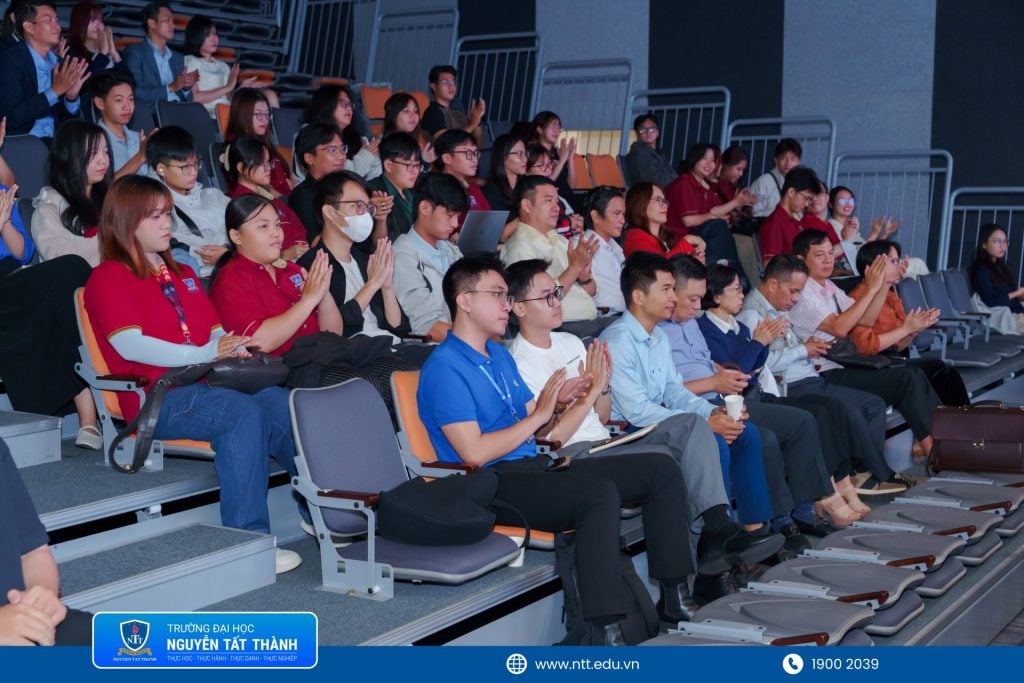
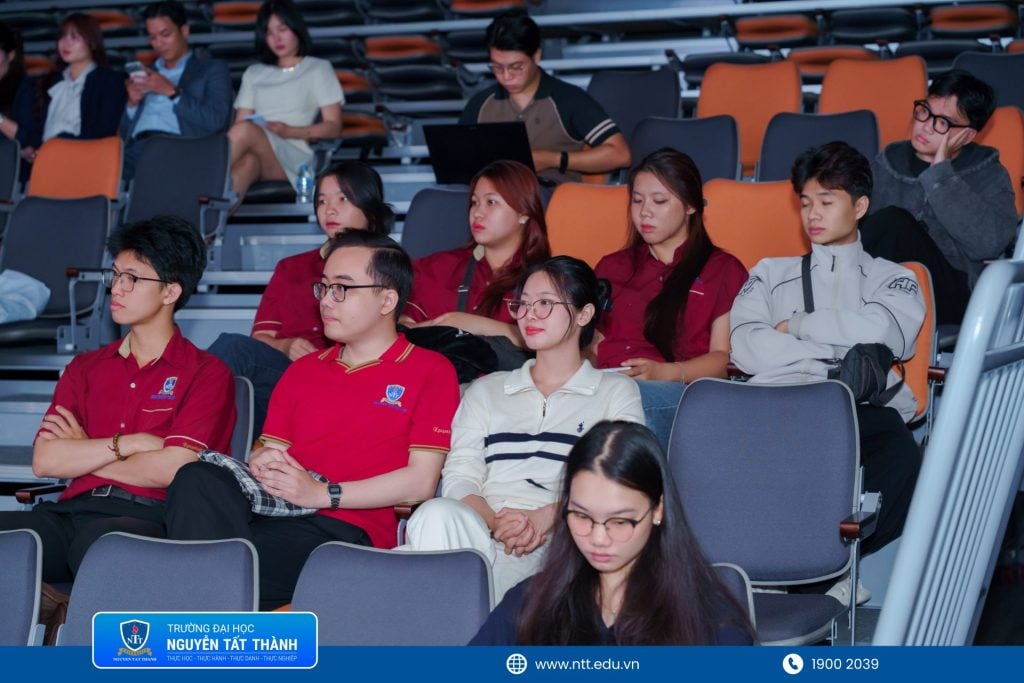
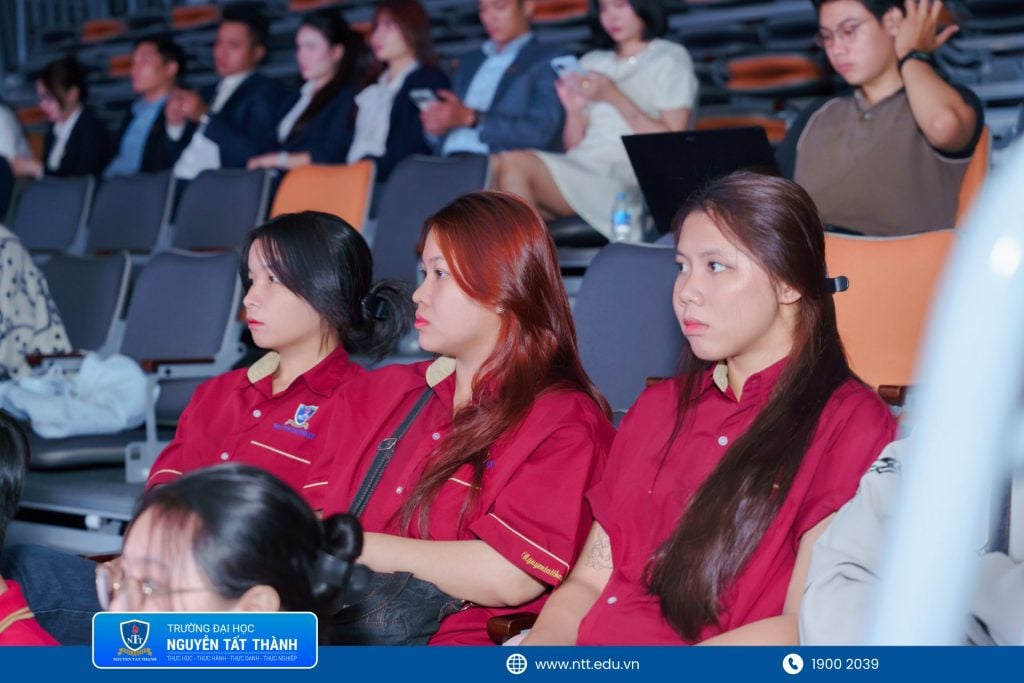
Images of the program:
Ho Quy – Media