

 Tiếng Việt
 Home
Home Introduction
 Announcements
 Student Essential
 Event attendance lists
To ensure safety during the tuition payment process, Nguyen Tat Thanh University (NTTU) students need to proactively check and perform transactions according to the University’s official guidelines. Proactively checking information, conducting transactions through the correct channels, and absolutely not providing confidential information are key principles students must keep in mind during tuition payment period.
During the tuition payment period, students may receive messages, calls, or links requesting money transfers, personal information, bank account details, or urgent transactions. These are common methods used by scammers to misappropriate assets or personal data.
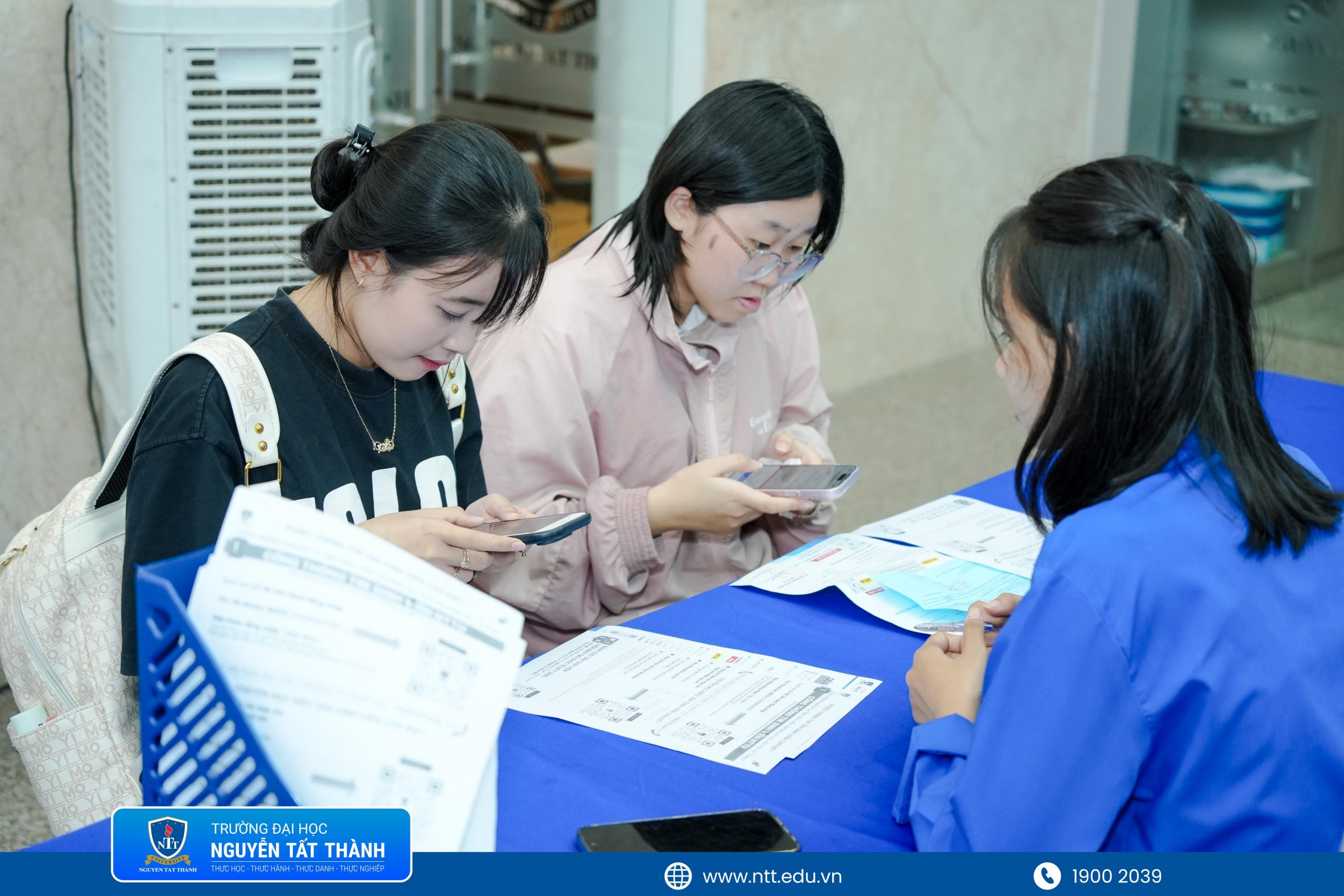
5 IMPORTANT NOTES WHEN PAYING TUITION FEES
1. Only pay tuition according to the University’s official instructions
Students should proactively follow announcements regarding tuition payment time, methods, and regulations on NTTU’s official information channels such as the University website, Student Portal, student email, and official media channels.
Do not carry out transactions based solely on information sent from unverified accounts, phone numbers, or links.
2. Double-check carefully before confirming transactions
Before making a bank transfer or confirming a payment, students need to carefully check:
- Amount to be paid;
- Beneficiary name/organization;
- Payment content/description;
- Transaction details and other related information.
If any unusual information or mismatch with official guidelines is detected, stop the transaction and recheck before transferring money.
3. Absolutely do not transfer tuition fees to personal accounts
Students must not transfer tuition fees to personal accounts at the request of any individual claiming to be University staff, Faculty/Institute personnel, or academic support staff when the information has not been verified through official channels.
In particular, do not transfer money simply because the requesting party gives reasons such as tuition assistance, information update, profile confirmation, or expedited transaction processing.
4. Absolutely do not provide confidential information
Students must keep all information related to bank accounts and transactions confidential.
Do not provide anyone with:
- Passwords;
- OTP codes;
- Transaction authentication codes;
- Bank account details;
- Other sensitive/confidential information.
The University never requests students to provide banking security information through unofficial channels.
5. Be vigilant against “urgent payment” requests
Students should be especially cautious of content that creates anxiety or urges immediate transactions, such as:
- “Pay tuition immediately to avoid account suspension”;
- “Transfer money to get tuition refund”;
- “Update account to receive tuition support/scholarships”;
- Requests to scan QR codes of unknown origin;
- Requests to access unfamiliar links for verification or payment.
Do not let urgency cause you to skip the information checking step.
WHEN IN DOUBT, STOP THE TRANSACTION
If you receive messages, calls, or payment requests with suspicious signs, do not proceed with the transaction and do not provide any further information.
Proactively double-check the information through the University’s official channels before transferring money.
📚 REFER TO OFFICIAL TUITION PAYMENT GUIDELINES
Students can refer to the guide “Instructions for online tuition payment and bank transfer” published by the NTTU Academic Affairs Department to follow the correct procedure.
Right channel – right information – check before transferring!
Always be proactive in protecting your own account, personal information, and assets when conducting tuition-related transactions.