
 Tiếng Việt
 Home
Home Introduction
 Announcements
 Student Essential
 Event attendance lists
Recently, Nguyen Tat Thanh University organized a training class on “Business Negotiation and Founder Image Building,” attracting dozens of students and representatives of innovative startup projects. The program contributes to enhancing negotiation capacity, commercial communication, and personal credibility for young founders.
The training class was taught by Dr. Jolie Rose Nguyen – President of the Paris International Institute of Aesthetic Training, and Mr. Le Quoc Huy – Pharmacist, International Lecturer at the Paris International Institute of Aesthetic Training, as a teaching assistant. In addition, the program was attended by Assoc.Prof.Dr. Nguyen Vinh Minh Thanh – Vice President of the Vietnam Digital Economy Institute, and M.A. Huynh Hong Mai – Deputy Director of the Center for Creativity and Startup Incubation at Nguyen Tat Thanh University, representing the Organizing Committee.
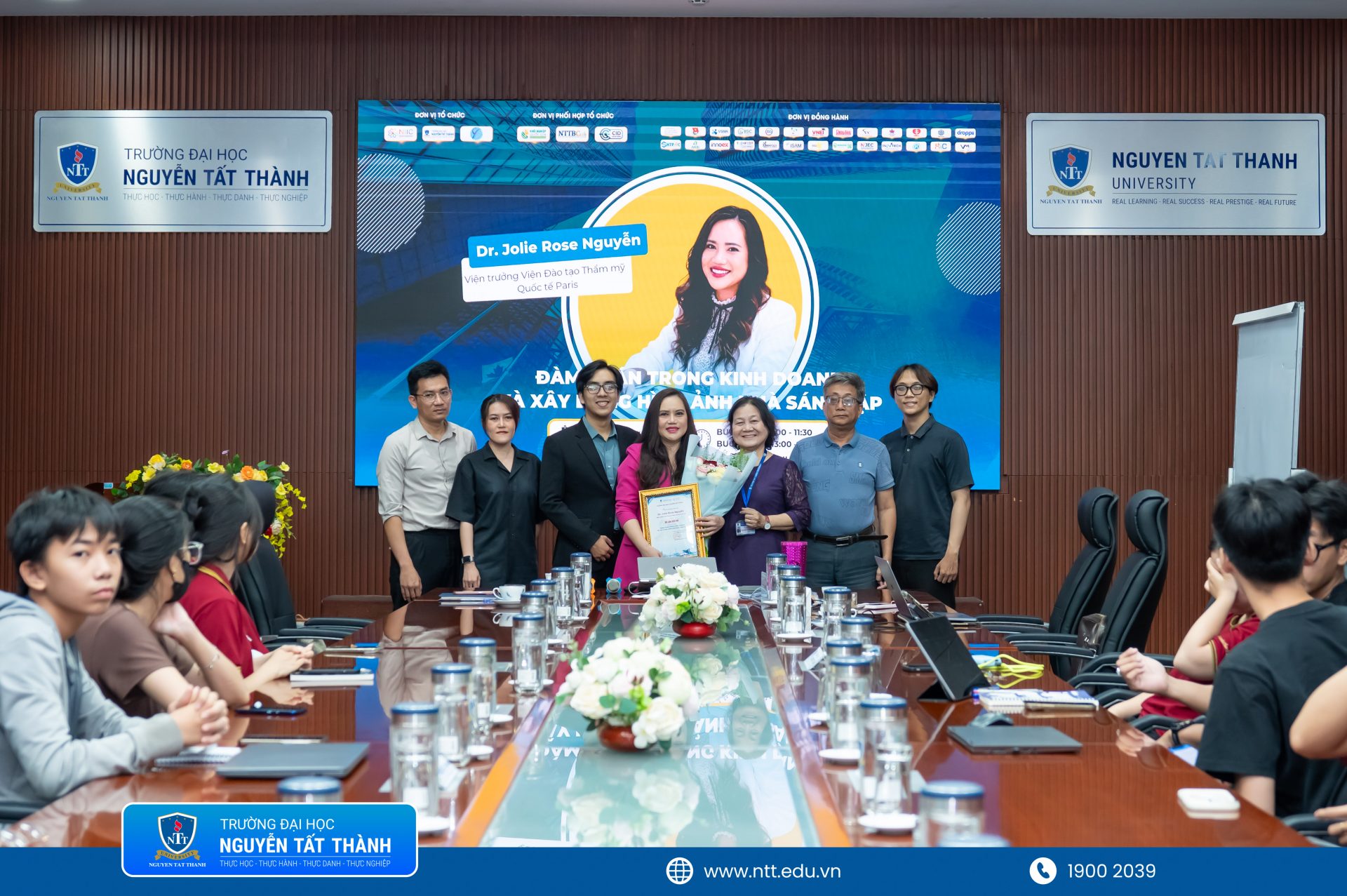
Lecturers, delegates, and students attending the training class on Business Negotiation and Founder Image Building
At the program, Dr. Jolie Rose Nguyen stated that negotiation is not only a skill of persuasion or gaining an advantage in a bargaining session, but the capability to create value and build consensus among parties. For startup projects, this is a decisive skill in turning an idea into an operational and scalable business model.
According to Dr. Jolie Rose Nguyen, throughout the startup journey, founders constantly face various negotiation situations: persuading customers to use products, working with suppliers to optimize costs, agreeing on rights and responsibilities among co-founders, as well as raising capital from investors. Each situation has its own objective but requires thorough preparation regarding interests, cooperative conditions, implementation progress, and commitments from all parties.
From those practical situations, the speaker guided students to identify four core negotiation groups in startups: selling, purchasing, cooperating with shareholders, and raising investment capital. At the same time, students were introduced to pre-negotiation preparation principles such as defining objectives, acceptable limits, alternative options, and factors that can create value for both sides.
Practicing the Negotiation Process in a Startup Environment
Instead of merely providing theory, the class focused on a practical negotiation process, ranging from option preparation, identifying needs, determining core interests to bargaining, handling deadlocks, finalizing agreements, and executing commitments. Students were guided to define objectives, acceptable limits, and alternative options before entering negotiations. Such preparation helps founders avoid the psychological trap of accepting all conditions out of fear of losing an opportunity, while refraining from making unfounded requests or exceeding the project’s capacity.
During the exchange process, learners were encouraged to ask questions, listen actively, and understand the real needs behind partners’ stances. Instead of focusing solely on price or continuously making concessions, parties can discuss other values such as delivery schedules, payment terms, scope of cooperation, sales commitments, and long-term benefits.
These knowledge points were deployed through scenarios close to startup activities, such as closing the first sales order, negotiating debt with suppliers, dividing roles and shares among co-founders, business valuation, pitching for funding, and building a capital usage plan.
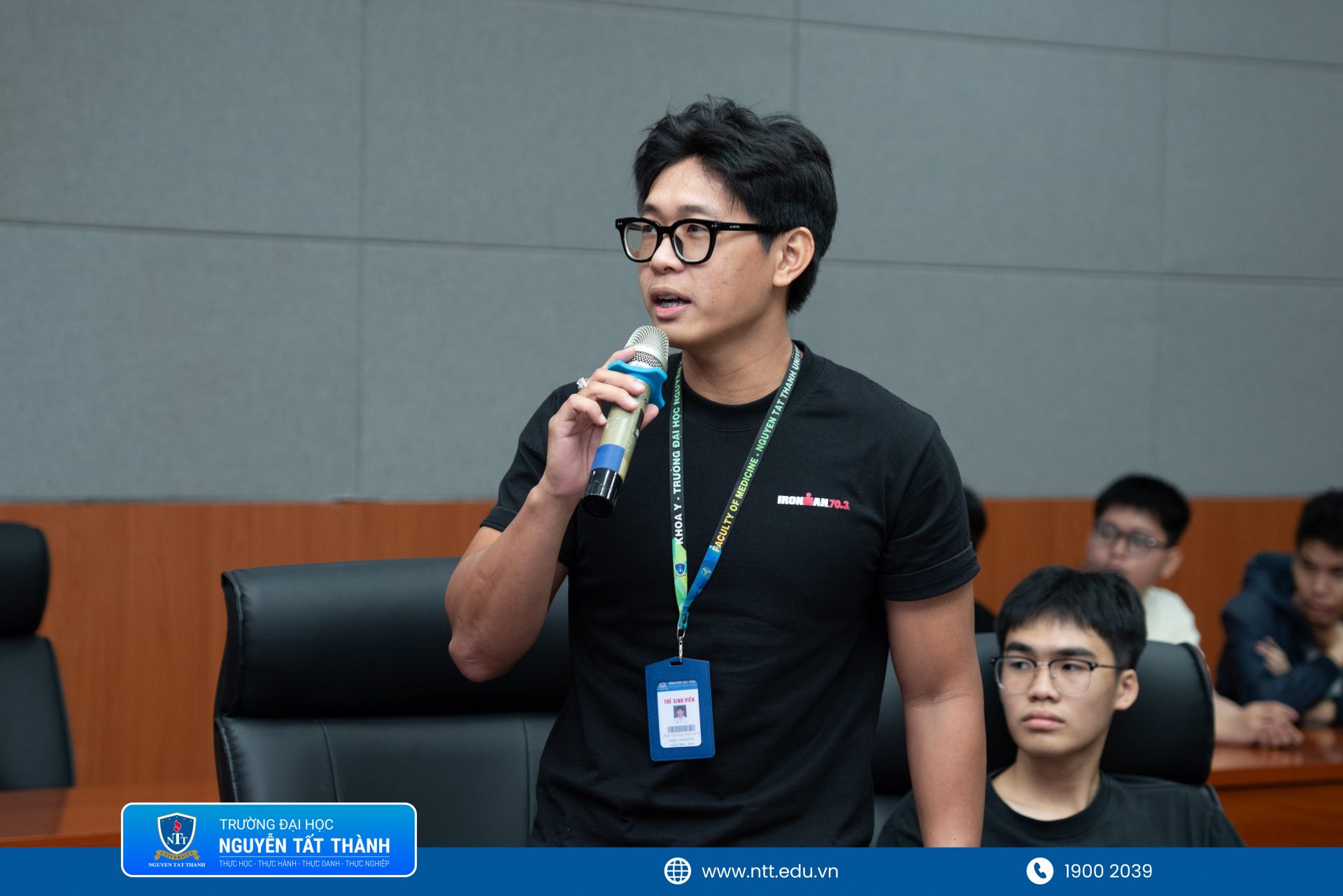
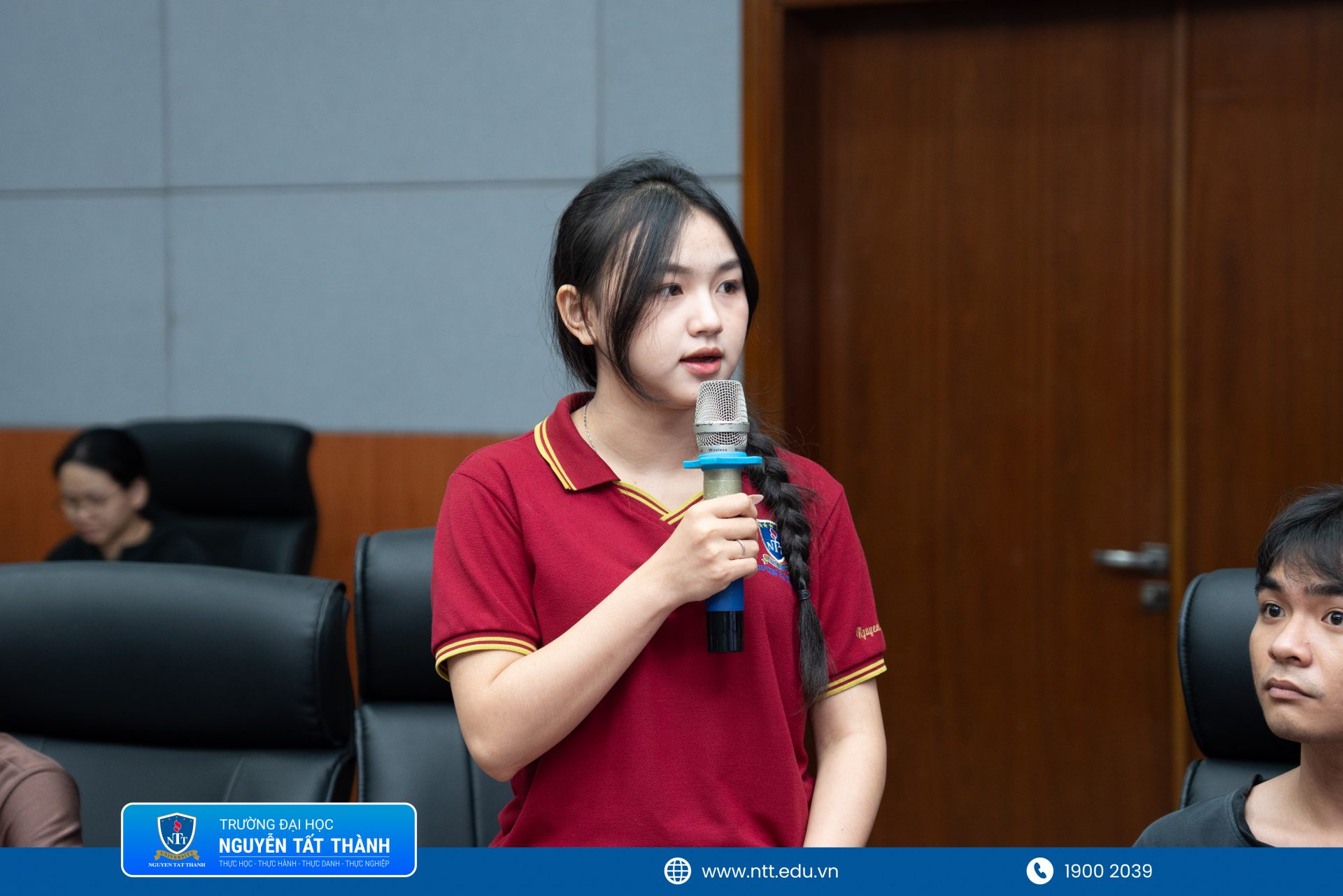

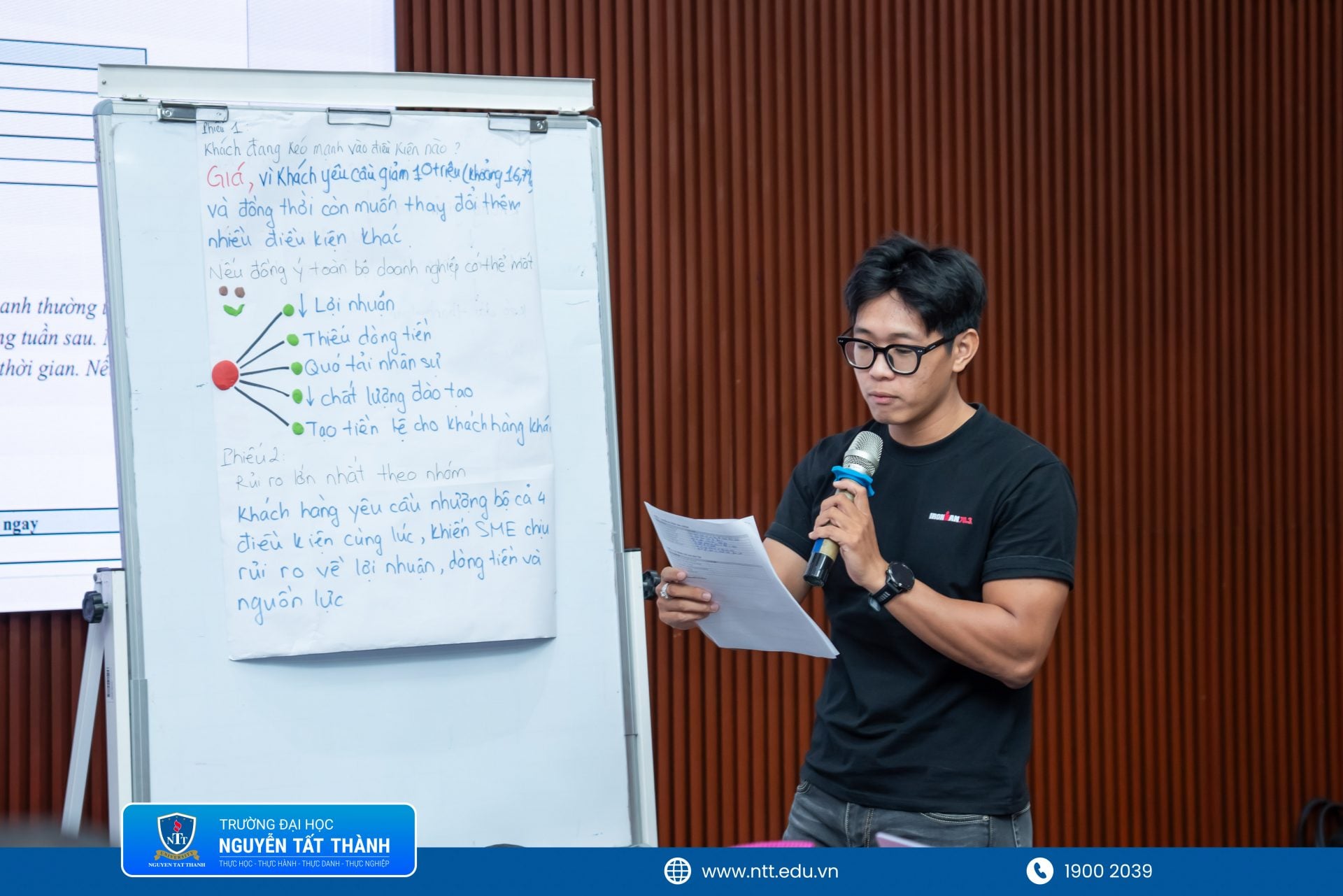
Students practicing handling negotiation situations with customers, suppliers, shareholders, and investors
Credibility is the Foundation of a Founder’s Brand
The content of founder image building was integrated throughout the negotiation skill training process. Accordingly, personal branding is not only reflected through appearance or presentation style but also formed by professional competence, cooperative attitude, and the level of consistency between words and actions.
A professional founder needs to clearly understand the value of the project, know how to use data to prove proposals, control emotions when facing objections, and only make commitments within their execution capacity. How one behaves in each negotiation directly affects the level of trust from customers, partners, and investors.
The program also pointed out common mistakes made by startups such as: presenting ideas too much while asking too few questions, focusing only on one’s own requirements without understanding partner benefits, reacting emotionally when rejected, or making commitments exceeding implementation capabilities.
From a win-lose mindset, learners were oriented to shift toward a mutual value creation mindset. A sustainable agreement must ensure reasonable benefits for all parties, be confirmed by specific content, and be accompanied by clear execution responsibilities. This is also how founders protect their reputation and expand their cooperative network in the long term.
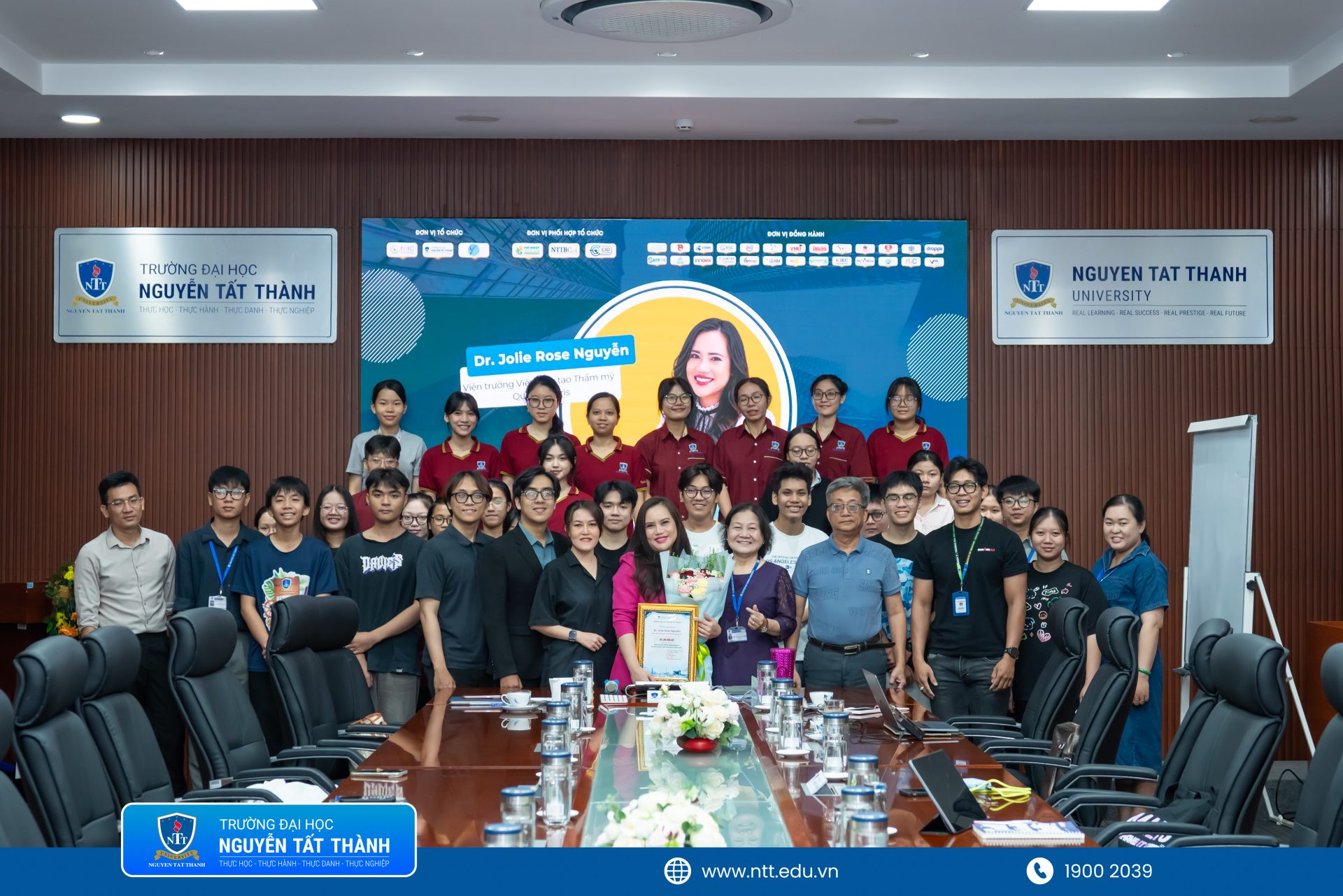
The training class for students and members of innovative startup projects
Through the program, students were not only equipped with skills to serve startup competitions and fundraising activities, but also enhanced their communication courage, cooperative mindset, and commercial situation-handling capacity. These are necessary preparation for learners to step-by-step transform ideas into deployable projects, build trust, and develop sustainably in the market.
Dai Hai & Quang Nguyen
Photo: Media NTTU