
 Tiếng Việt
 Home
Home Introduction
 Announcements
 Student Essential
 Event attendance lists
Not only gaining knowledge through textbooks, K23 students majoring in Logistics and Supply Chain Management at Nguyen Tat Thanh University also directly analyzed corporate case studies and practiced procurement management software. These experiences were implemented in the seminar “iLogistics – From Theory to Practice: Lessons in Procurement Management”, directly tied to the students’ specialized course.
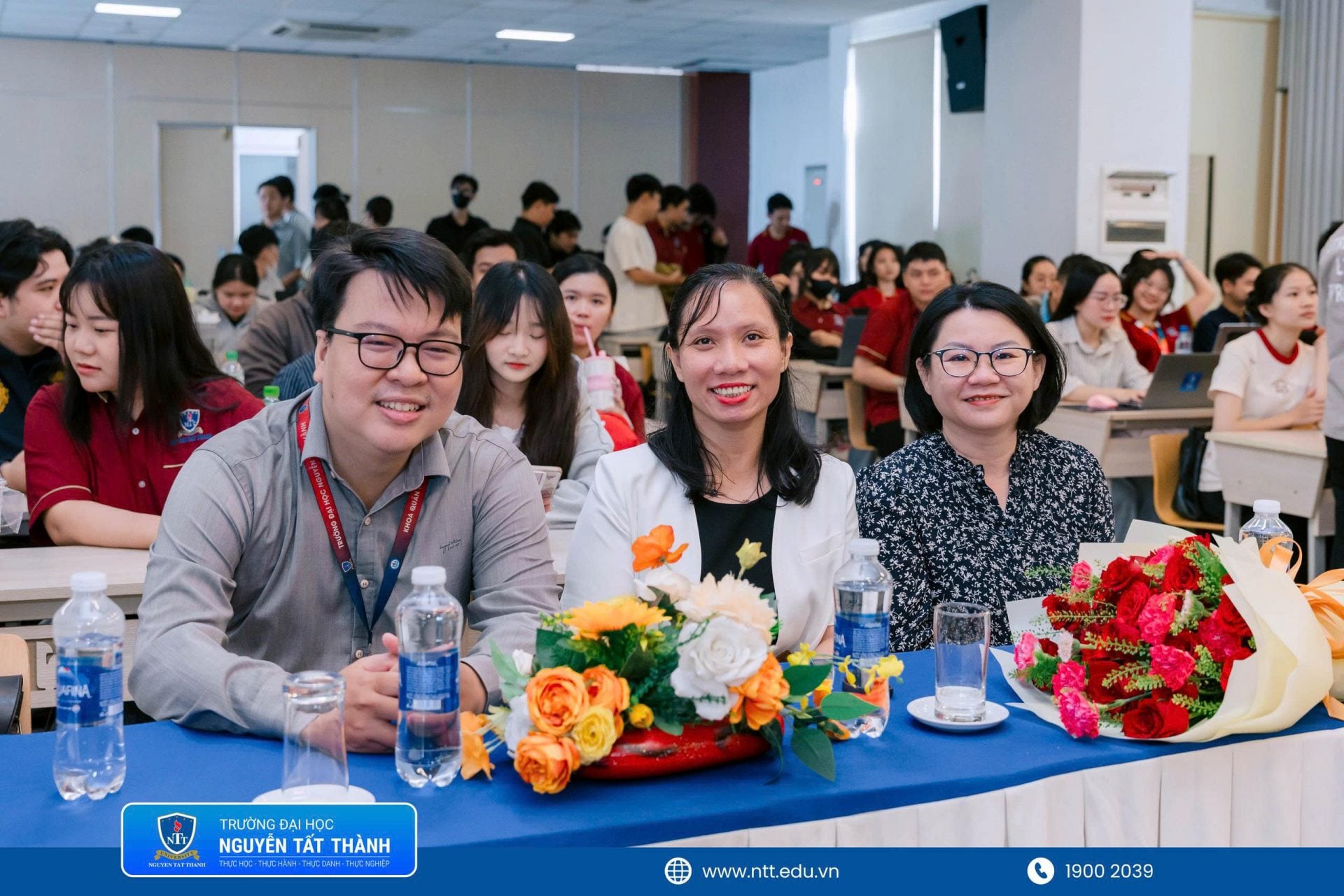
The program was accompanied by Dr. Ho Kim Ngan – a corporate lecturer. From the Faculty of Business Administration at Nguyen Tat Thanh University, there were Dr. Tran Hoang Cam Tu – Head of the Department of Logistics and Supply Chain Management; M.Sc. Nguyen Ngoc Hoang Son and M.Sc. Vo Cao Vinh. Among them, M.Sc. Vo Cao Vinh directly guided students in practicing procurement management software.
Organized in connection with the Procurement Management module, the seminar provided additional space for students to bridge classroom knowledge with real-world work scenarios, while gaining access to technology increasingly present in logistics and supply chain management operations.
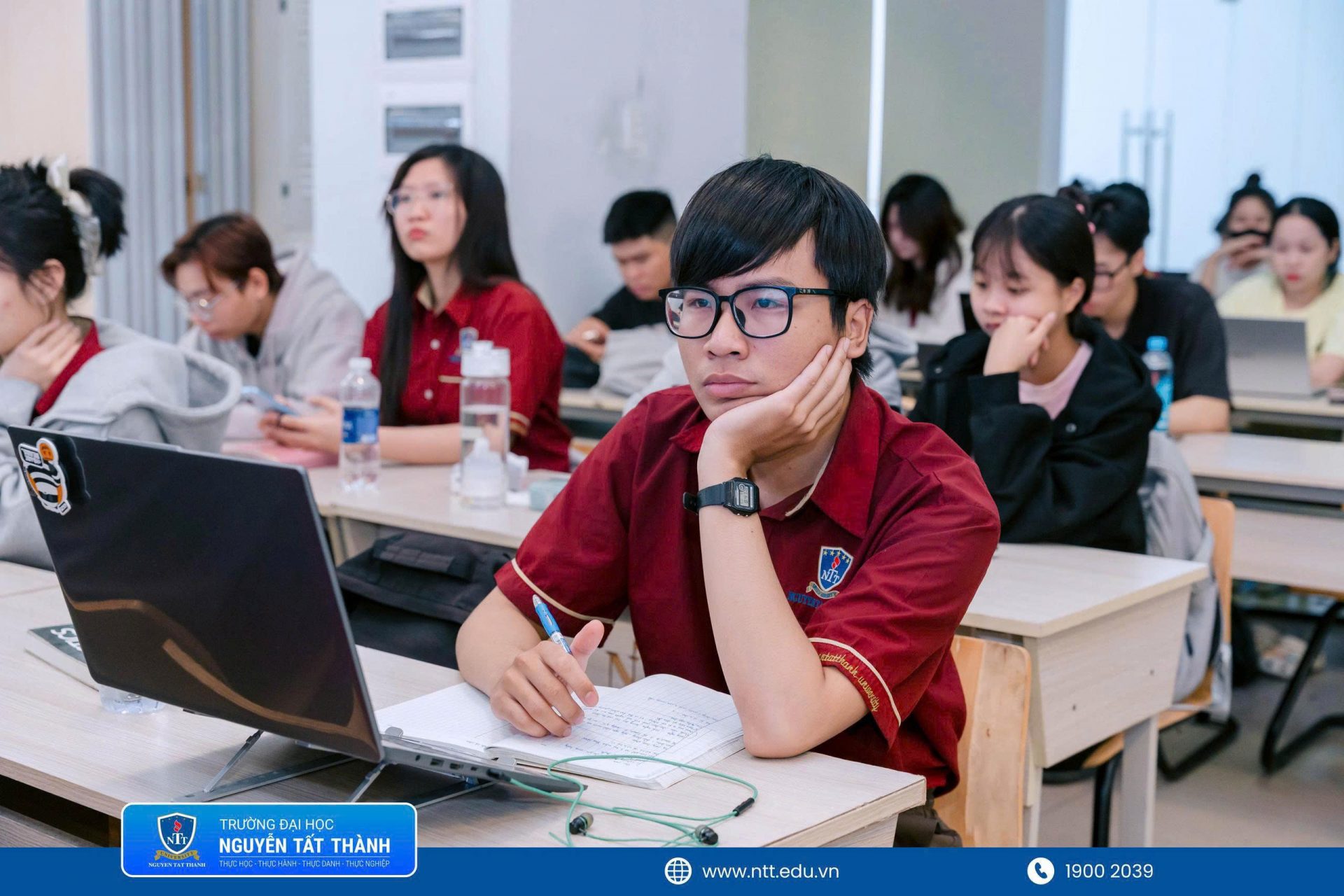
The seminar “iLogistics – From Theory to Practice: Lessons in Procurement Management” contributes to expanding practical experiences for Logistics and Supply Chain Management students right within their specialized course.
“Solving” procurement problems from real case studies
One of the highlights of the program was a case study on synchronized procurement operations for high-tech automated livestock farming models.
From a practical situation, students could gain a clearer view of the tasks behind procurement decisions. Beyond product selection or price comparison, procurement professionals must also focus on technical requirements, system synchronization, supplier capability, schedule, and operational efficiency.
Through the sharing session by Dr. Ho Kim Ngan, contents of the Procurement Management course were placed in a real corporate context, helping students easily connect learned knowledge with how a professional problem is solved.
From there, students gained additional perspectives on the role of procurement activities across the entire supply chain. Every decision related to suppliers, costs, schedules, or purchasing methods can impact subsequent operational stages.
In addition to listening to the sharing session, students engaged with the situation through problem-solving analysis: what the business needs, which criteria should be considered, what factors influence decisions, and which solutions fit practical requirements.
Questions like these help a classroom lesson become closer to the work that students may undertake after graduation.
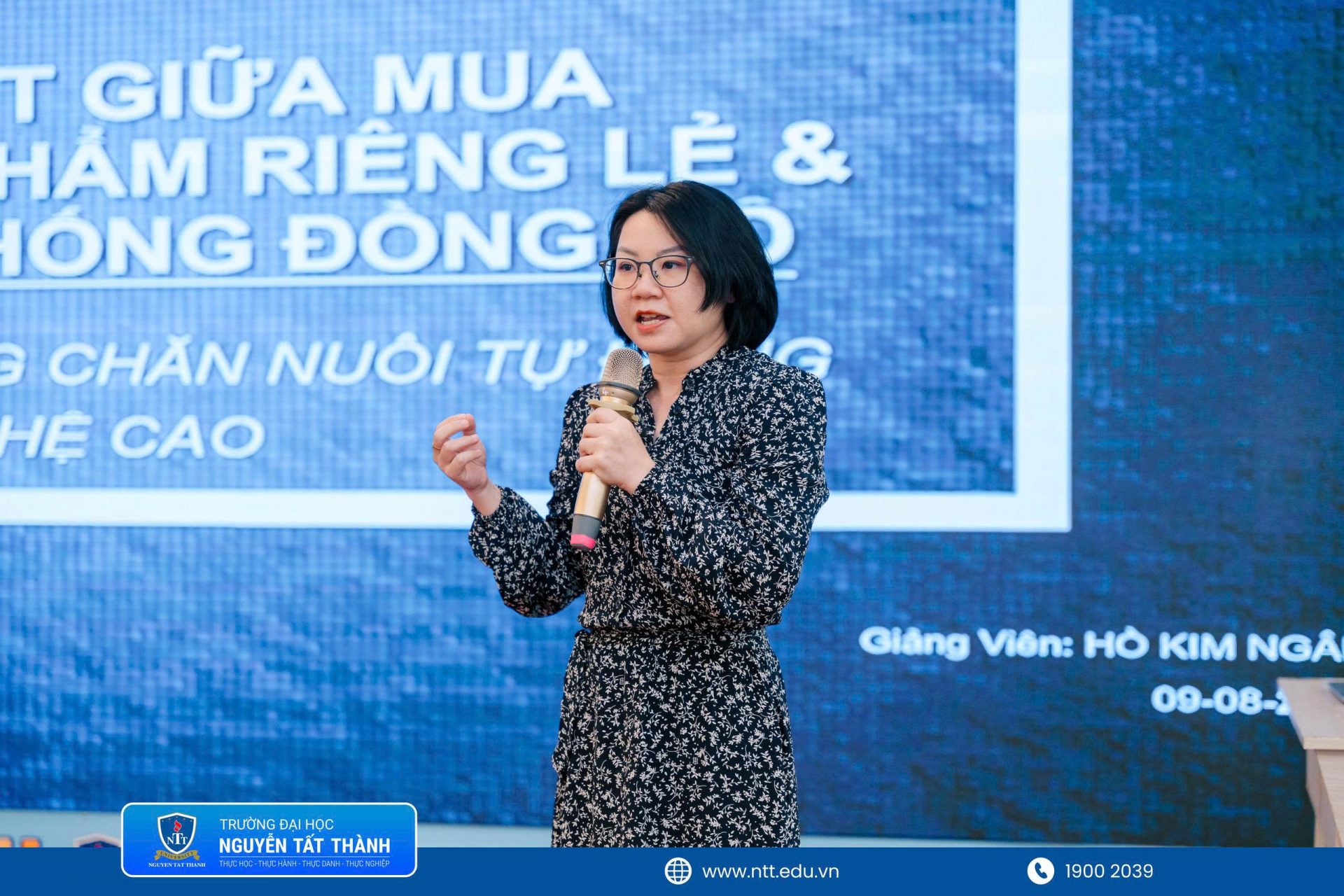
Dr. Ho Kim Ngan – corporate lecturer shares a real-world case study on synchronized procurement operations for high-tech automated livestock farming models
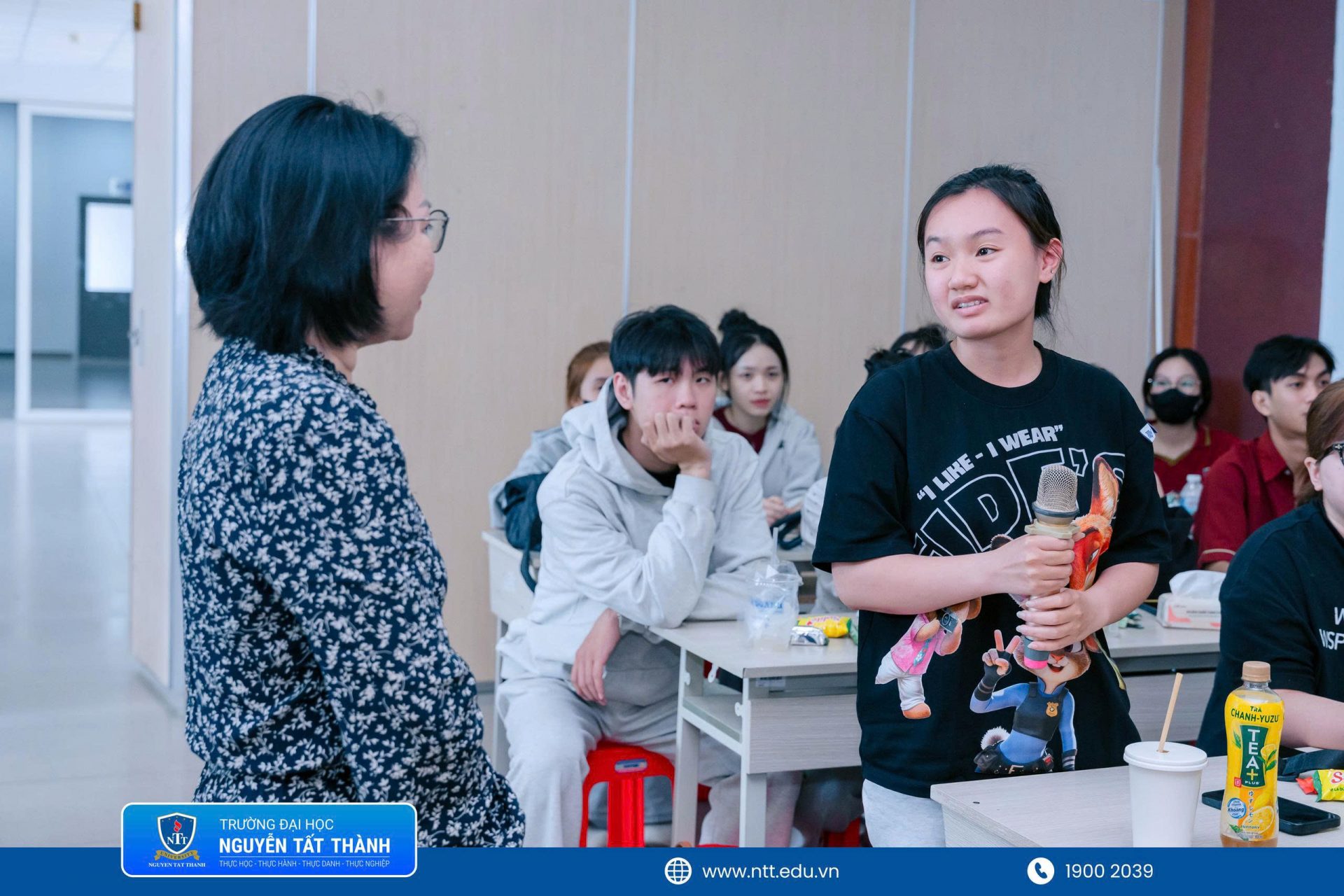
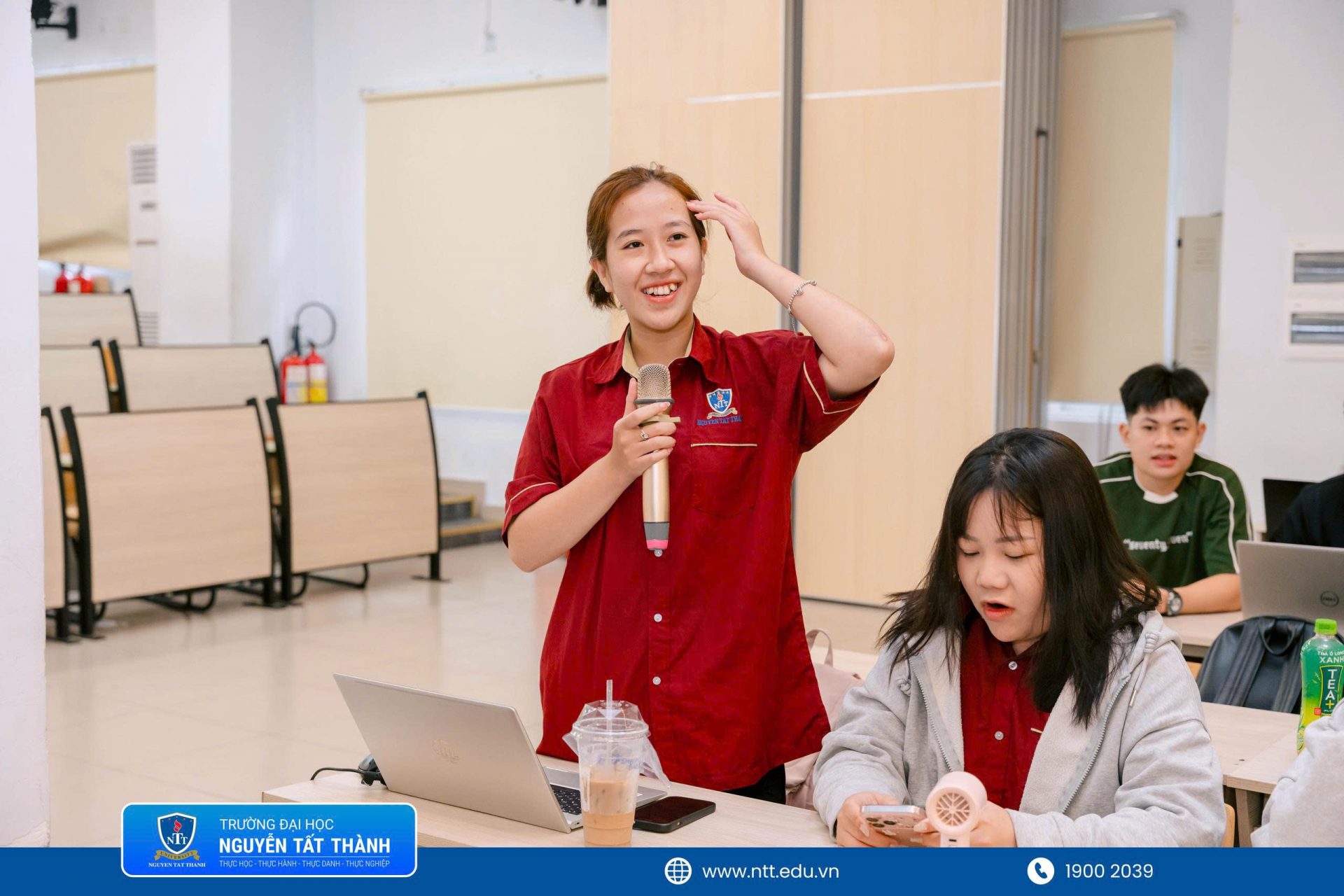
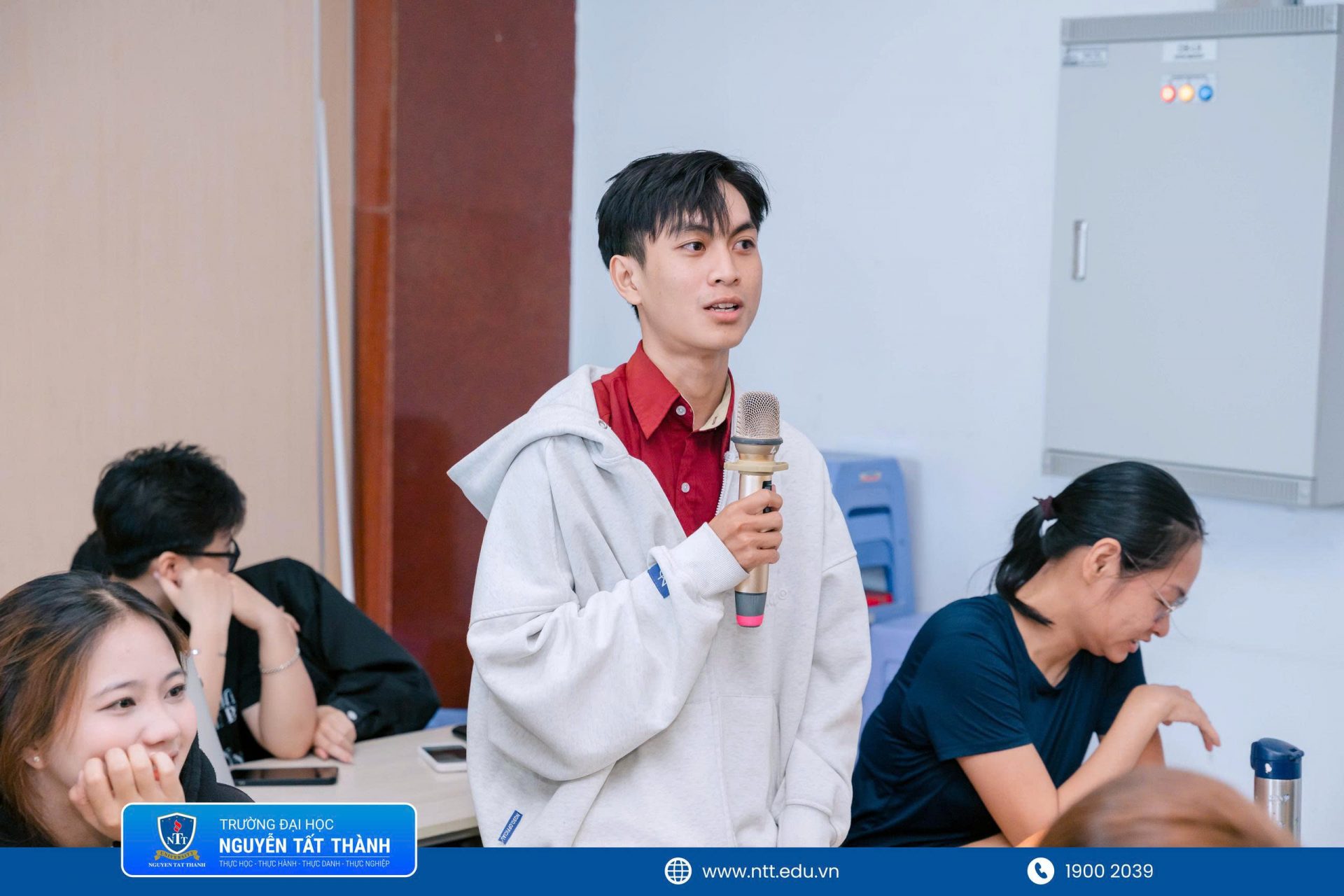
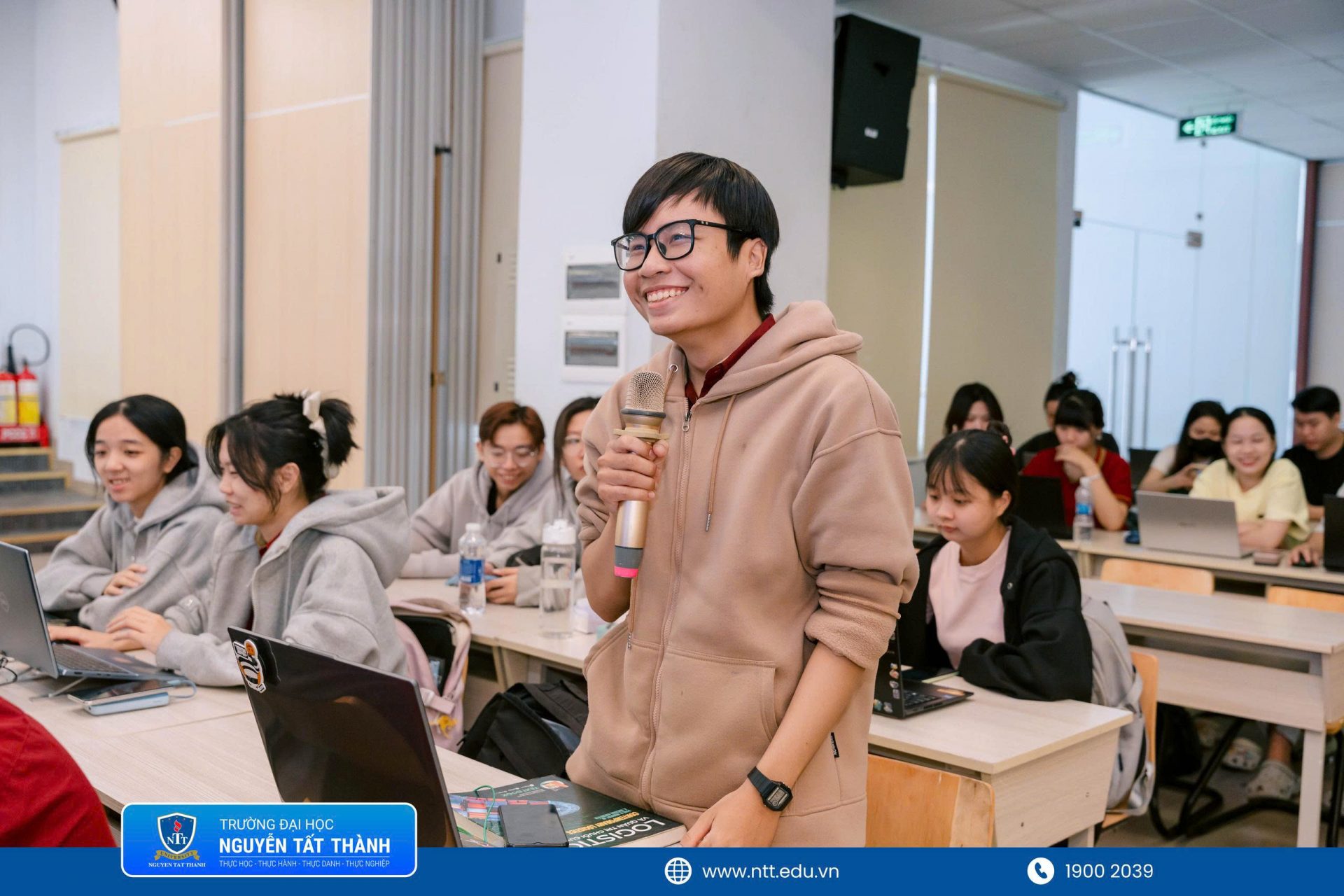
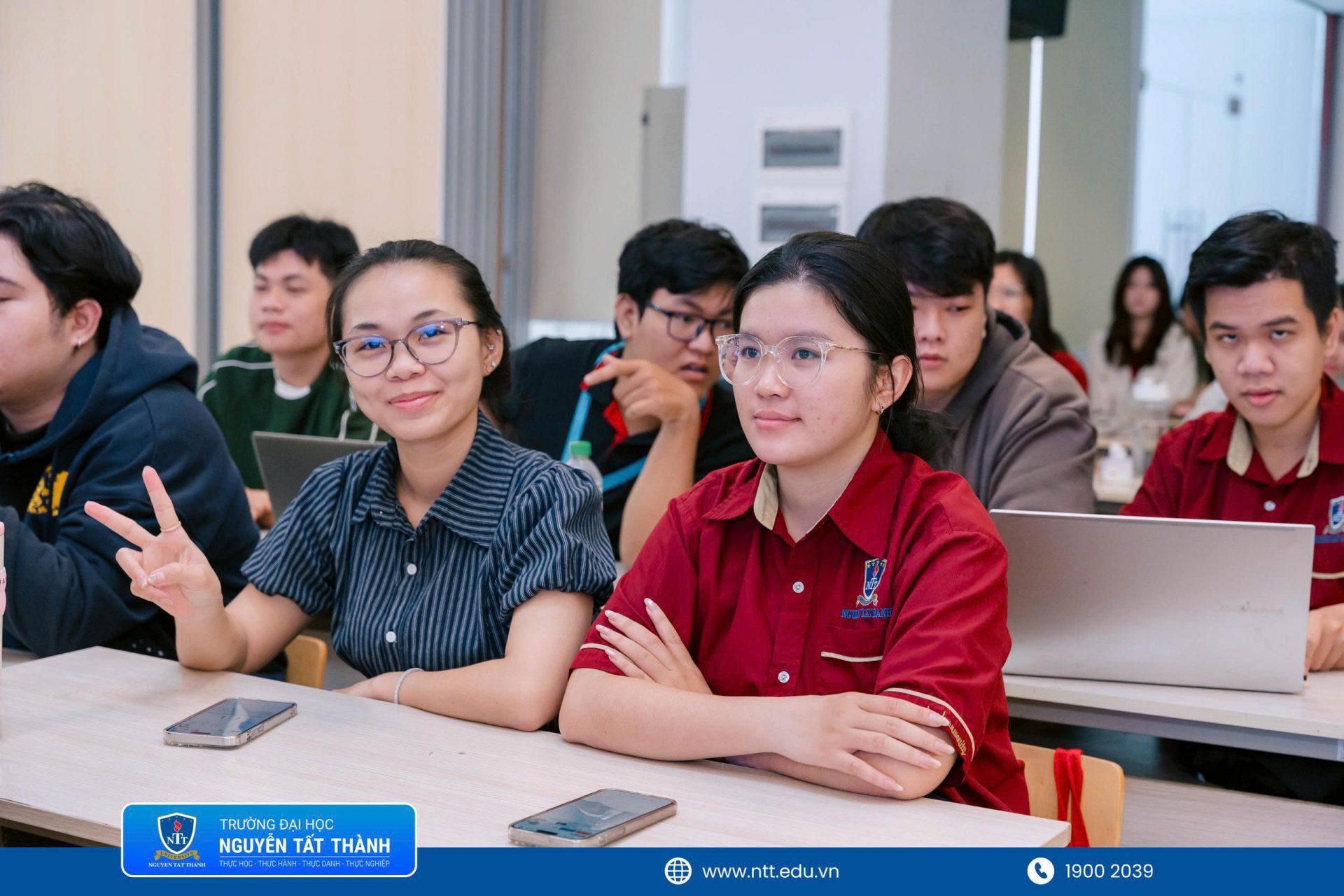
Students exchanged ideas, asked questions, and received answers from the guest speakers regarding procurement operations and real-world corporate situations.
Learning operational skills alongside software practice
In addition to case studies, students also directly practiced procurement management software under the guidance of M.Sc. Vo Cao Vinh.
Through this activity, students became familiar with how certain procurement operations are organized and managed on a digital platform, thereby gaining a clearer understanding of the connection between learned processes and how work is implemented in reality.
In the context of digital transformation strongly impacting logistics and supply chains, knowing operational processes alone is no longer enough. Learners also need to gradually develop the ability to work with data, systems, and management support tools.
Therefore, integrating software into learning activities provides students with more opportunities to transition from “understanding processes” to “knowing how to apply processes” in a digital environment.
From analyzing real situations to hands-on software practice, students step-by-step connect knowledge, practical skills, and job requirements in the logistics field.
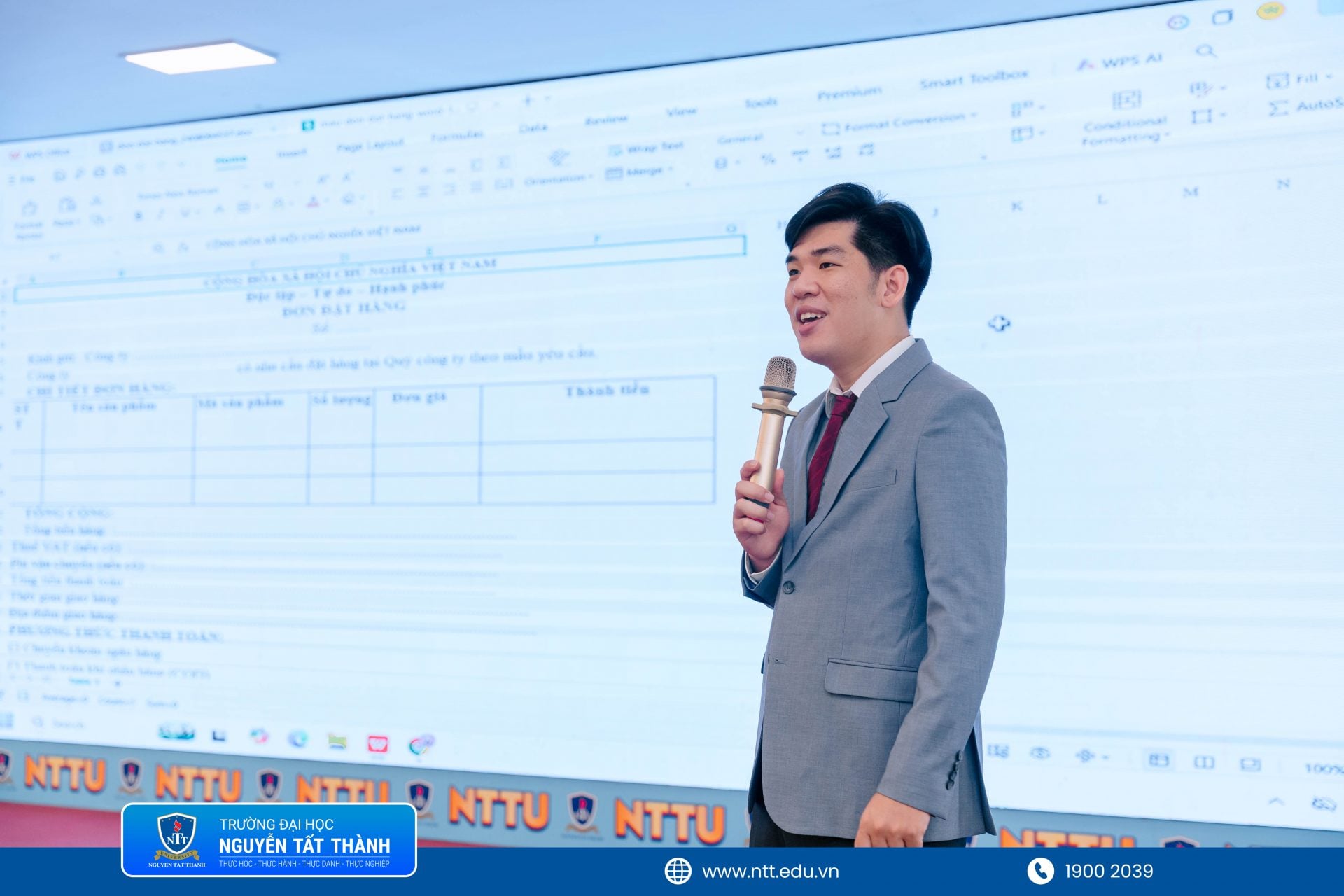
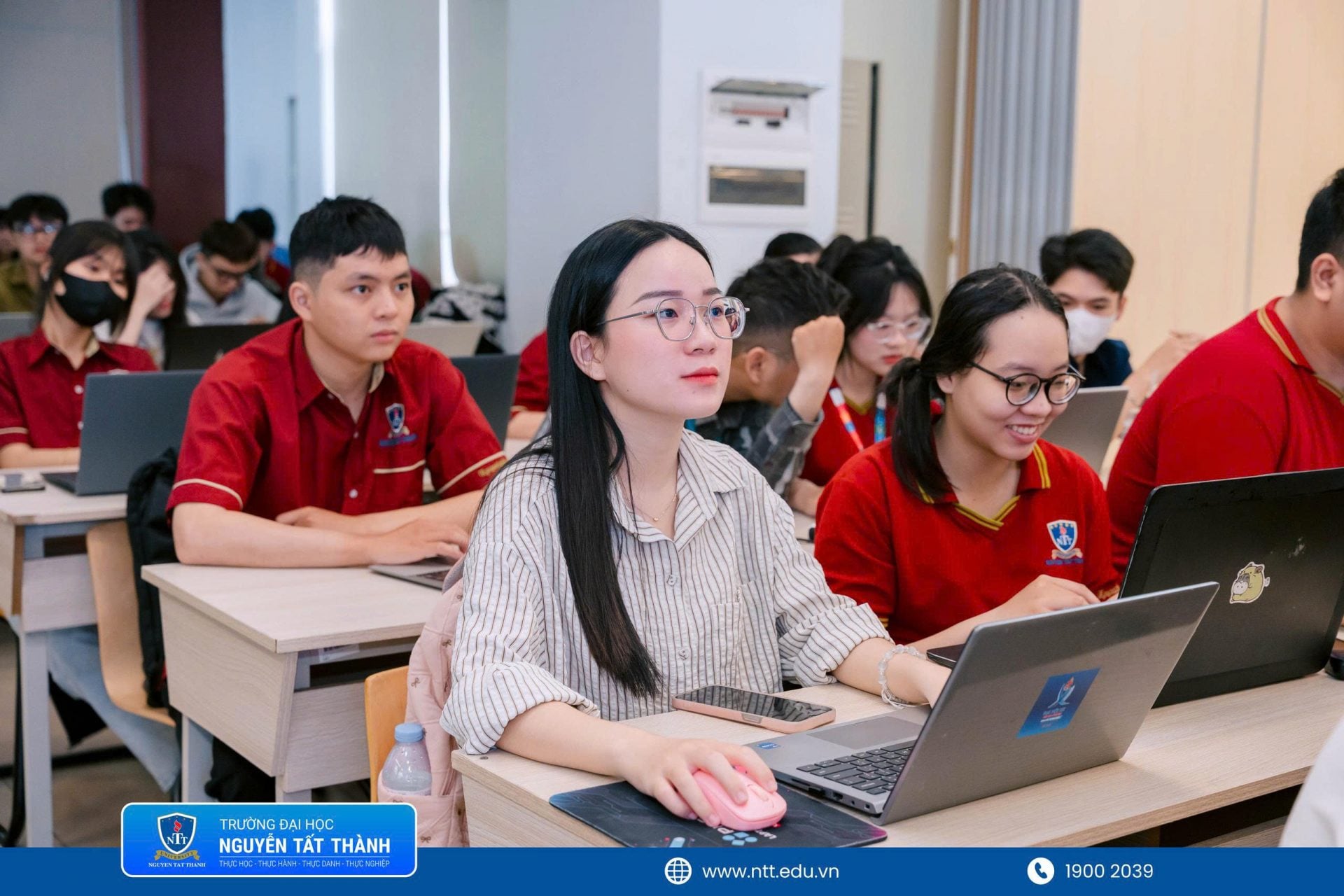
M.Sc. Vo Cao Vinh guides students in practicing procurement management software, helping to connect operational processes with digital tools.
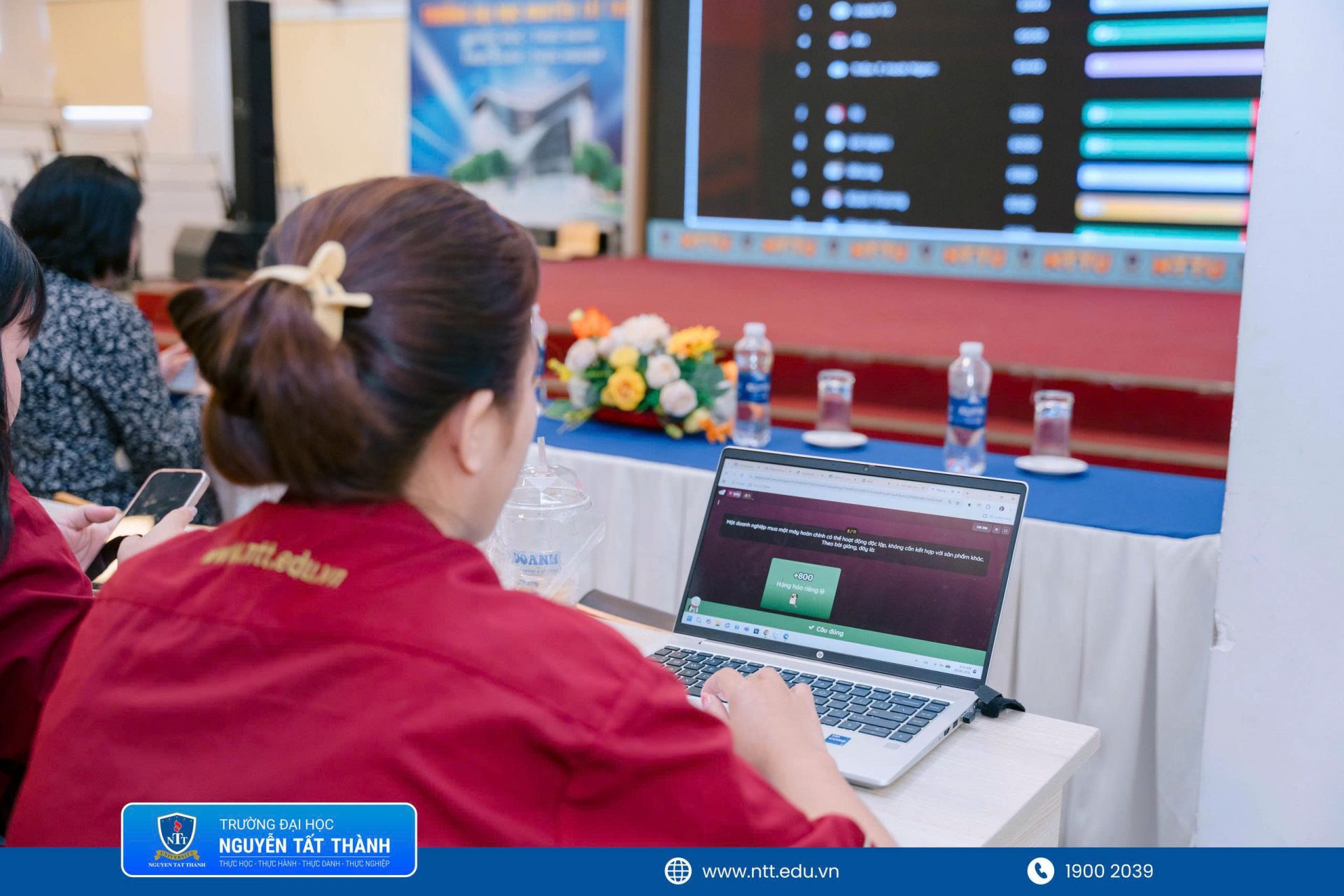
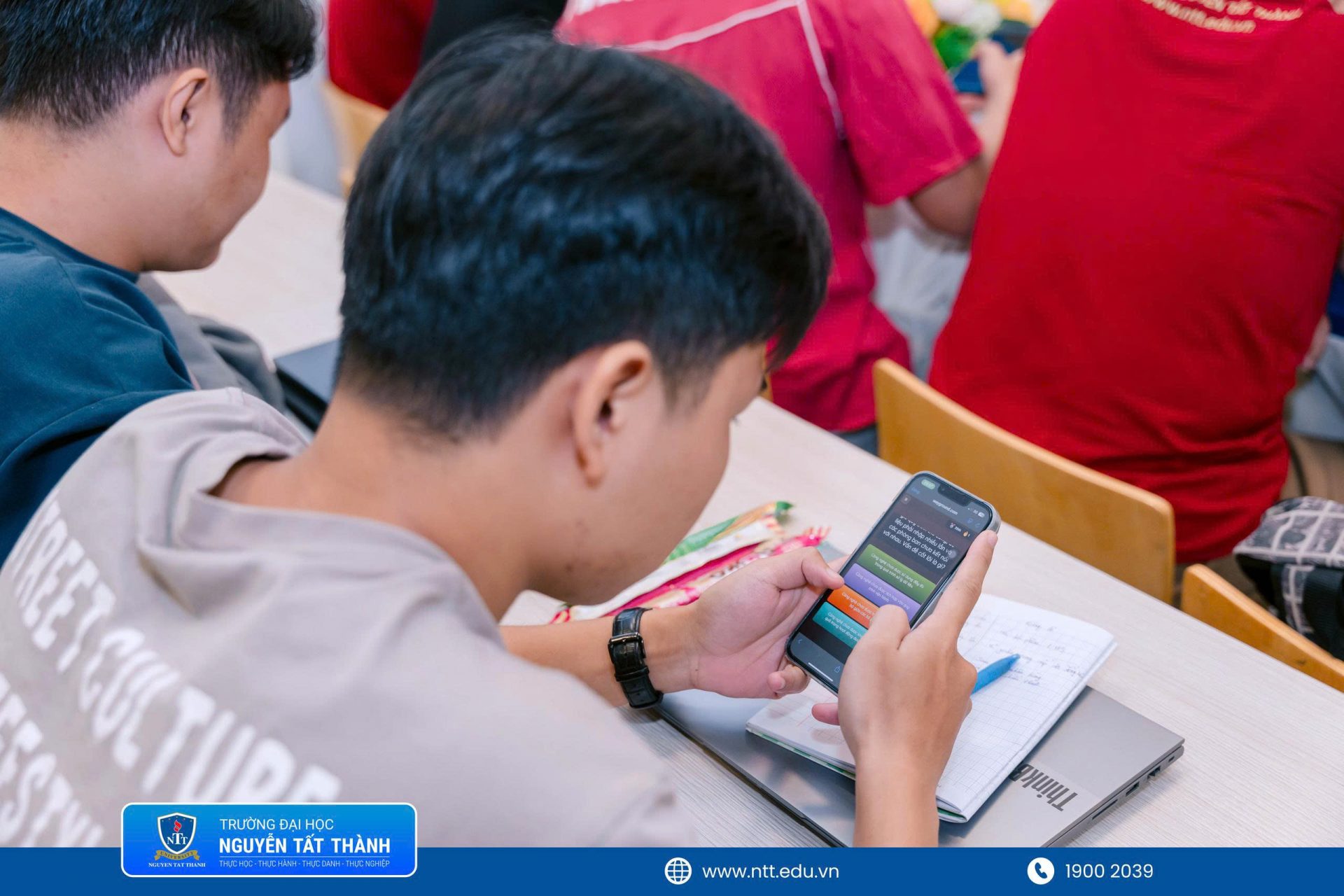
Students directly operate on the software, step-by-step becoming familiar with how procurement activities are organized and managed in a digital environment.
Every specialized subject offers an additional opportunity to connect with practical reality
The seminar “iLogistics – From Theory to Practice: Lessons in Procurement Management” is one of the programs implemented by the Faculty of Business Administration at NTTU to increase practical application in training for the Logistics and Supply Chain Management major.
Directly linked to the Procurement Management subject, the program helps learners cross-reference classroom knowledge with professional situations while expanding their understanding of how enterprises organize and operate procurement tasks.
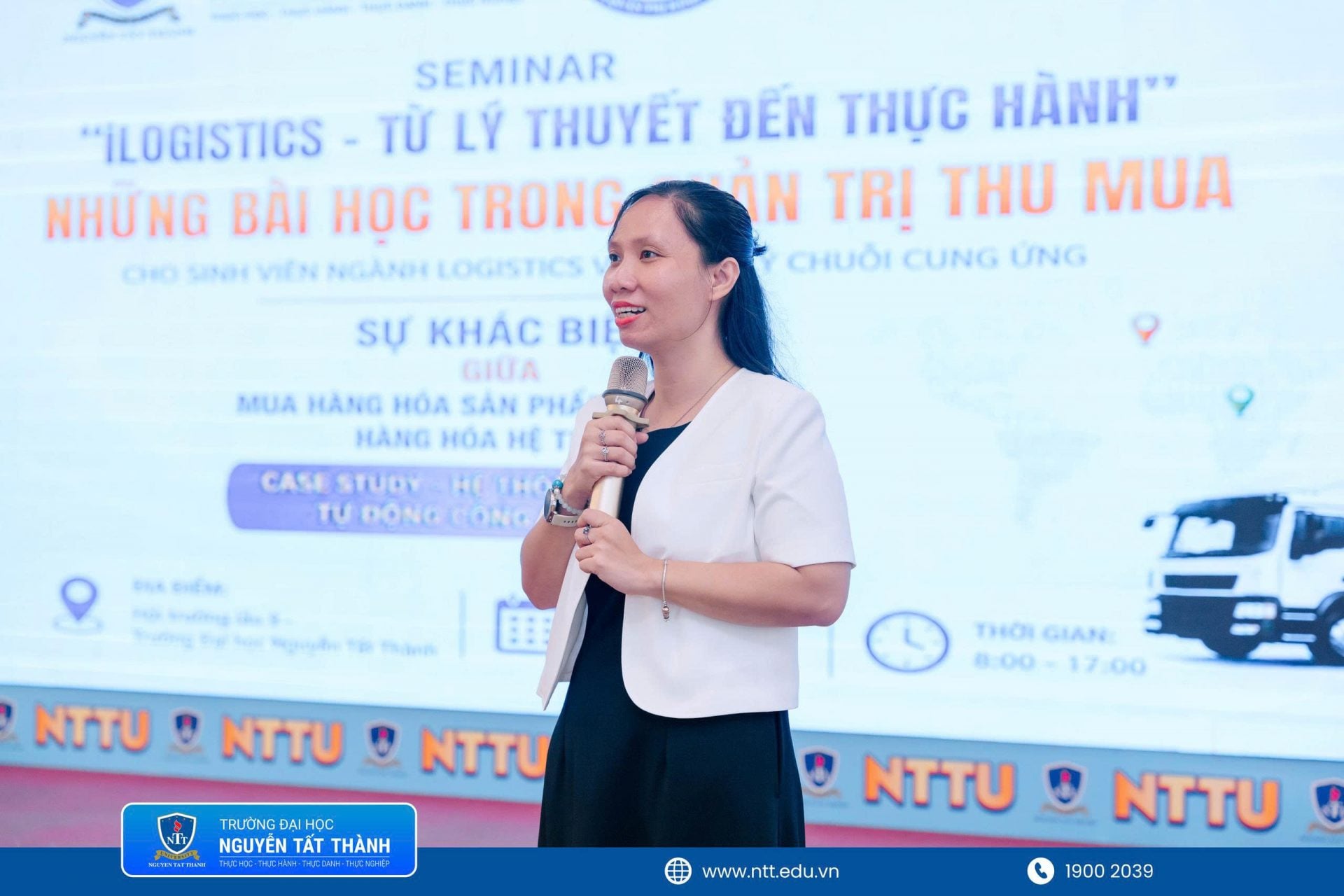
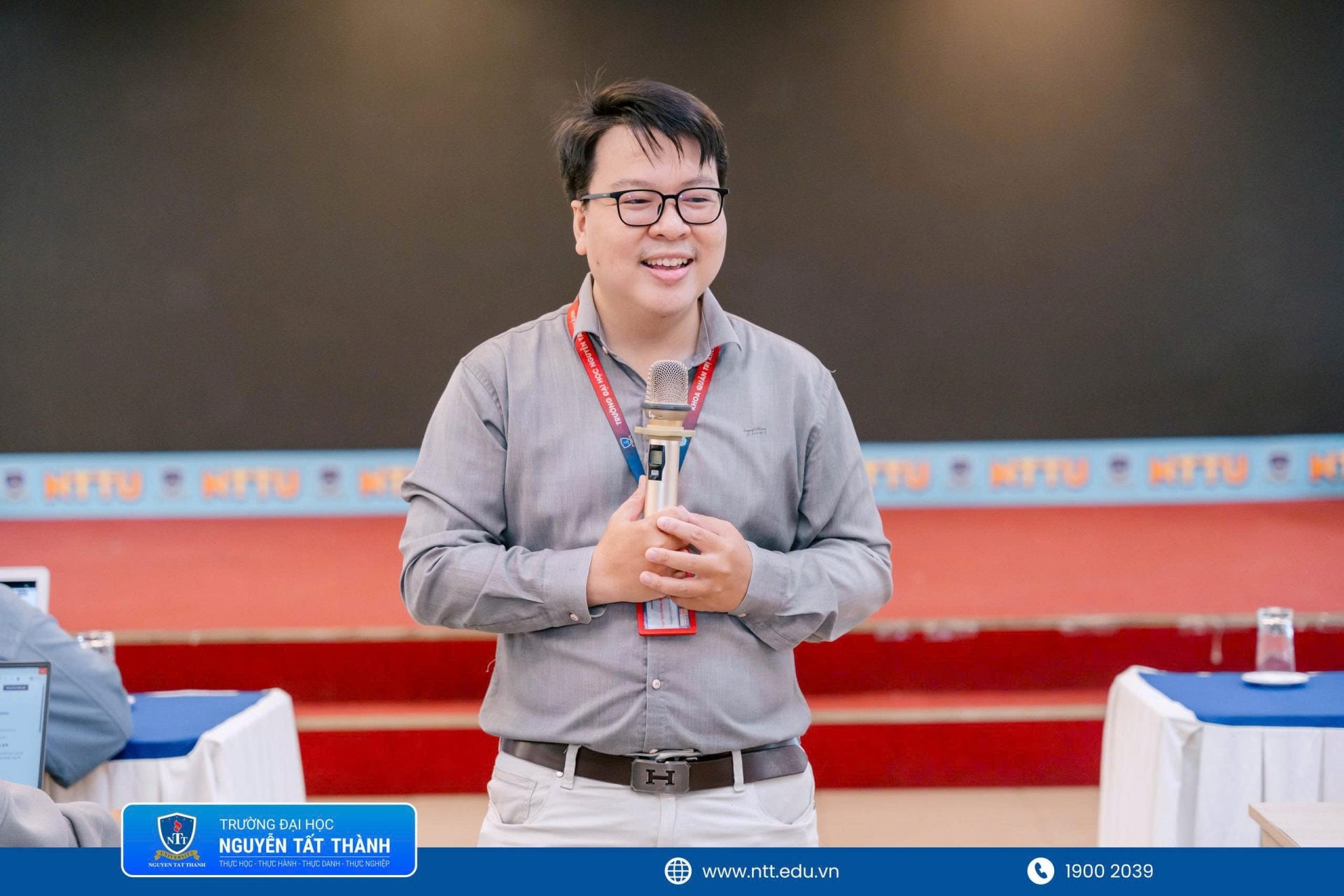
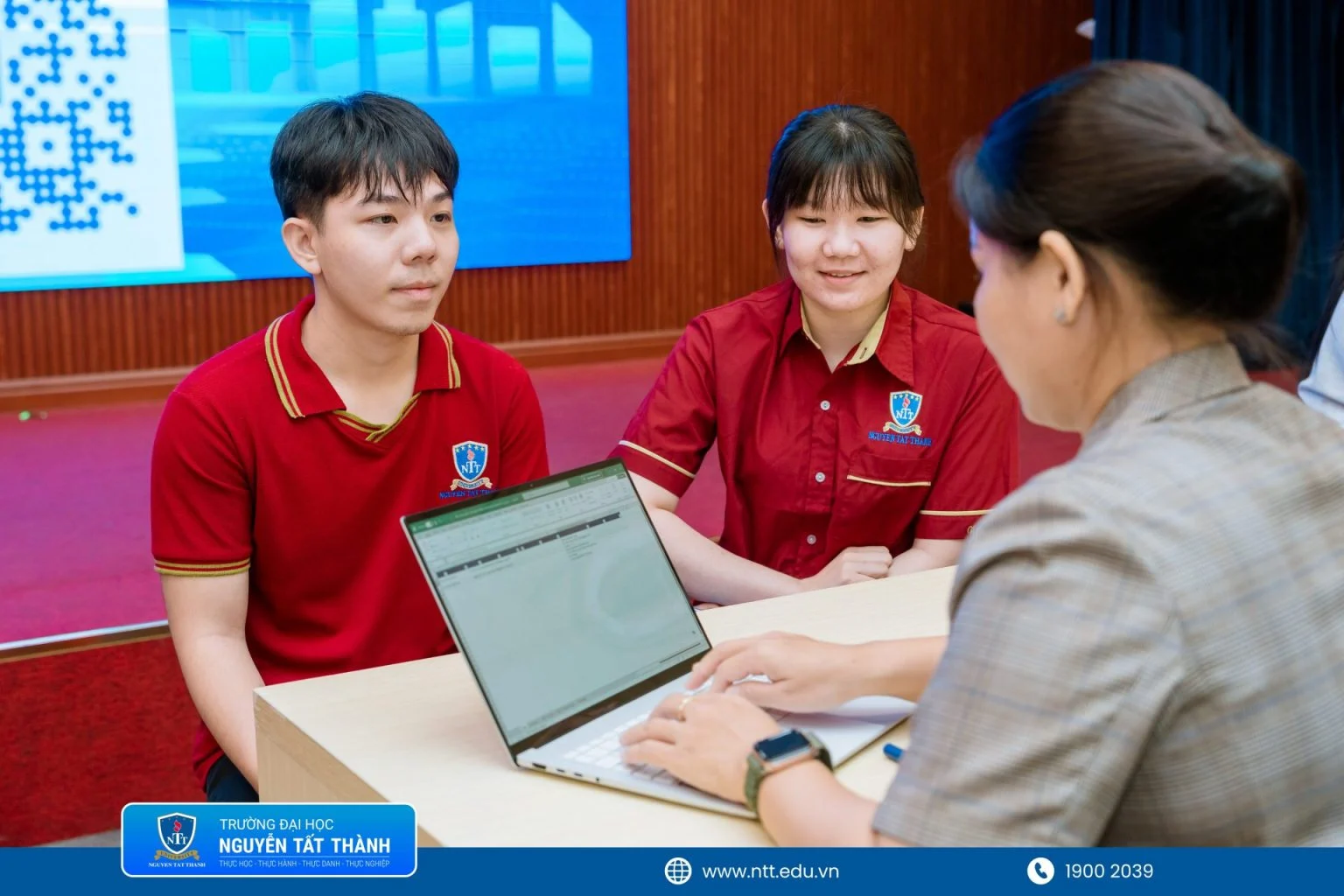
Dr. Tran Hoang Cam Tu and M.Sc. Nguyen Ngoc Hoang Son, Faculty of Business Administration at NTTU, discussing with students about specialized content and real-world requirements in Logistics and Supply Chain Management
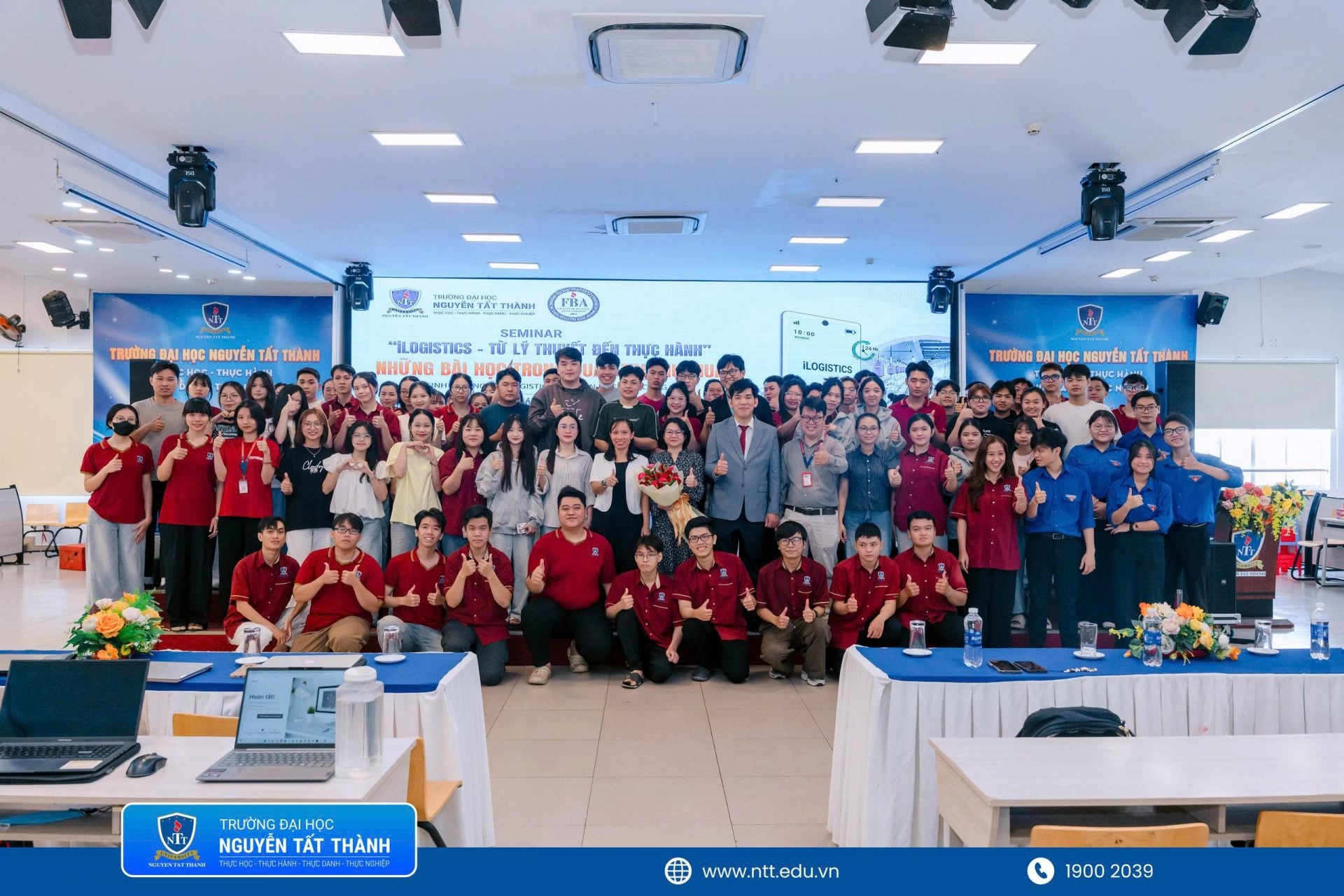
The seminar helps bring specialized knowledge closer to practice, assisting NTTU Logistics and Supply Chain Management students in enhancing application skills, career mindset, and adaptability to a digital working environment
This orientation is also maintained by the major through specialized seminars, field trips, practical learning sessions, and connections with enterprises and organizations operating in the logistics and port sectors. Through this, learners have more opportunities to experience the professional environment, listen to practical insights, and clearly identify requirements set for the industry’s workforce.
With characteristics closely tied to operations and technology, the training process emphasizes not only specialized knowledge but also targets practical skills, problem-solving mindsets, and adaptability to digital environments.
Right within the Procurement Management module, analyzing real-world situations and practicing on specialized tools help learners progressively envision how knowledge is translated into concrete tasks, thereby better preparing them for their career journey after graduation.
By: Cam Thach
Photos: Media