
 Tiếng Việt
 Home
Home Introduction
 Announcements
 Student Essential
 Event attendance lists
Music is not only for enjoyment or entertainment but can also be applied in health support activities. At the “Music Therapy” Workshop organized by the Faculty of Pharmacy, Nguyen Tat Thanh University on September 17, 2026, students had the opportunity to explore this field through professional insights and hands-on activities with Meritorious Artist Hoang Diep. The program also combined the Award Ceremony of the Traditional Medicine Logo Design Contest, honoring creative ideas from 43 entries.
Expanding healthcare mindsets through the integration of music and medicine
Attracting a large number of faculty members and students, especially those in health sciences, the workshop organized by the Faculty of Pharmacy aimed to introduce basic knowledge about music therapy and how to use music purposefully to support physical, mental, and emotional health. For Traditional Medicine students, this activity also opened up opportunities to explore new approaches in healthcare alongside their specialized university curriculum.
Attending the program were Dr. Phan Thien Vy – Vice Dean of the Faculty of Pharmacy; MSc. Specialist Doctor Vo Thanh Phong – Lecturer at the Department of Traditional Medicine, University of Medicine and Pharmacy at Ho Chi Minh City; MSc. Do Ngoc Bao Duy – Head of the Department of Traditional Medicine Pathology; MSc. Doan Tran Ai Thy – Head of the Faculty of Pharmacy Union Team, together with teachers and students of the University.
Delivering the opening speech, Dr. Phan Thien Vy – Vice Dean of the Faculty of Pharmacy – emphasized the significance of accessing new knowledge in medical workforce training, particularly methods aimed at holistic physical and mental care for patients.
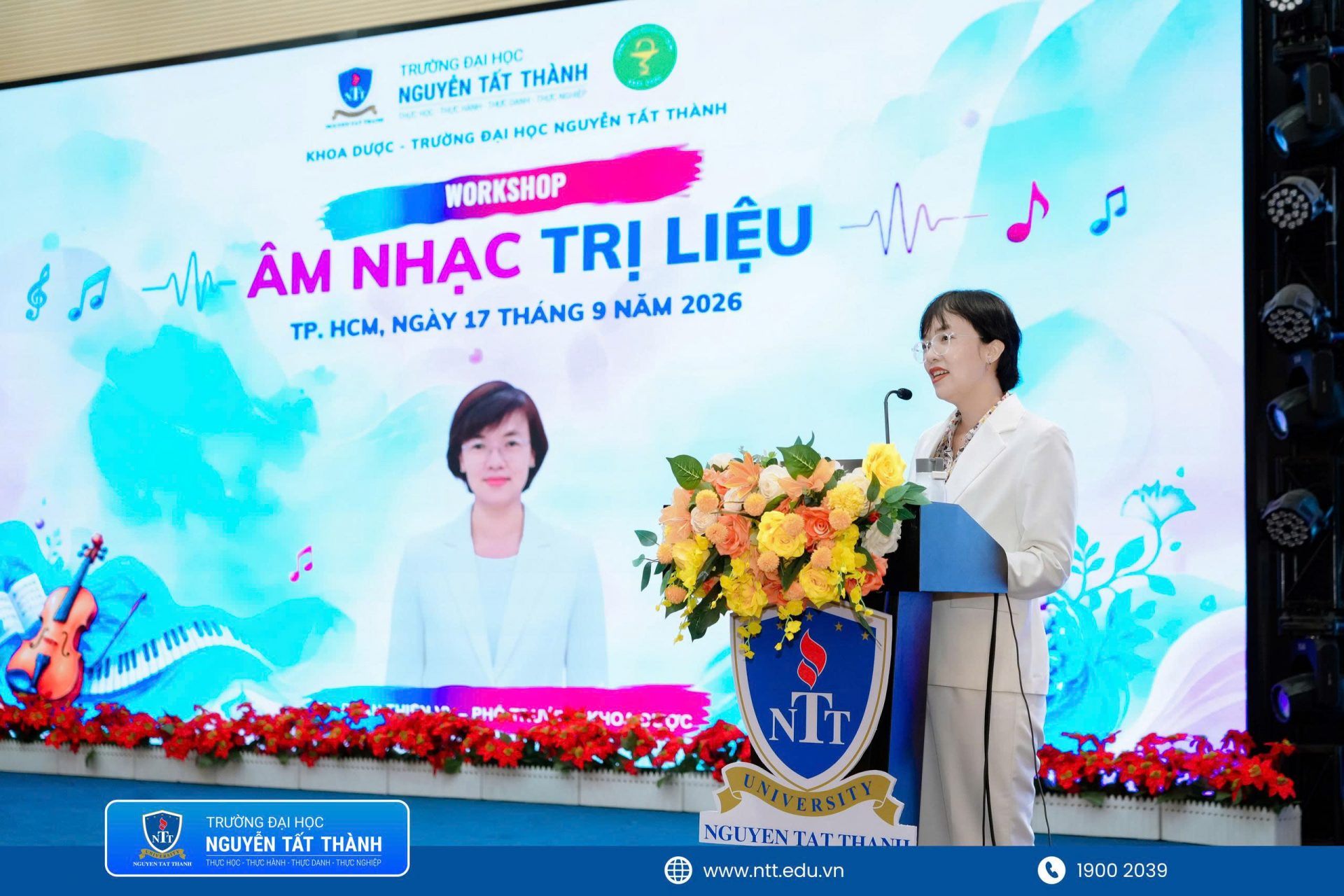
Dr. Phan Thien Vy – Vice Dean of the Faculty of Pharmacy delivers the opening speech, emphasizing the importance of expanding knowledge and interdisciplinary thinking in medical training
“In healthcare education, we want students to understand that healthcare is not only about treating physical illnesses, but also about caring for patients’ mental state, emotions, and quality of life. Music therapy opens up a noteworthy approach, helping them see the intersection between art and health sciences. Especially for Traditional Medicine students, this is an opportunity to broaden knowledge, develop interdisciplinary thinking, and gain a deeper awareness of the philosophy of holistic human care. I hope the experiences from this program will spark a spirit of learning so that when entering the profession, you will know how to combine professional competency with empathy, always putting patient needs and interests at the center,” Dr. Phan Thien Vy shared.
The spirit of connecting art and healthcare was demonstrated right in the opening with the performance of “Hoc cach dung len” (Learning to Stand Up) by composer Hua Kim Tuyen, performed by student Nguyen Pham Vu Uy (Faculty of Pharmacy). The performance brought a warm, welcoming atmosphere before participants dove into the main content to learn how music is used purposefully in therapeutic practices.
Exploring music therapy through practical experiences with Meritorious Artist Hoang Diep
Serving as the keynote speaker, MSc., Conductor, Meritorious Artist Huynh Thi Hoang Diep – an expert in music education and experimental music therapy in Vietnam – brought insights into the application of music in healthcare support. Notably, she graduated in Music Education from Gnessin Academy of Music, Choral Conducting from Tchaikovsky Conservatory (Moscow, Russia), and completed her Master’s degree in Symphonic Conducting at Ho Chi Minh City Conservatory of Music. Currently, Artist Hoang Diep is the Dean at MPU School of Music, a visiting lecturer at various universities, and Director of several international educational projects in Vietnam.
During the session, Meritorious Artist Hoang Diep analyzed the differences between enjoying music casually and using music for therapeutic purposes. According to the speaker, music therapy is a non-pharmacological treatment that can be combined with other care and intervention methods depending on specific goals, targets, and clinical contexts. When applied correctly, music can help individuals understand themselves, regulate emotions, strengthen interpersonal connections, and develop essential functions. In this context, music serves as a medium, while therapeutic goals are determined based on the specific needs of the patient. This content helped students clearly distinguish between listening to music for relaxation and applying music in therapy, which requires clear goals and appropriate professional methods.
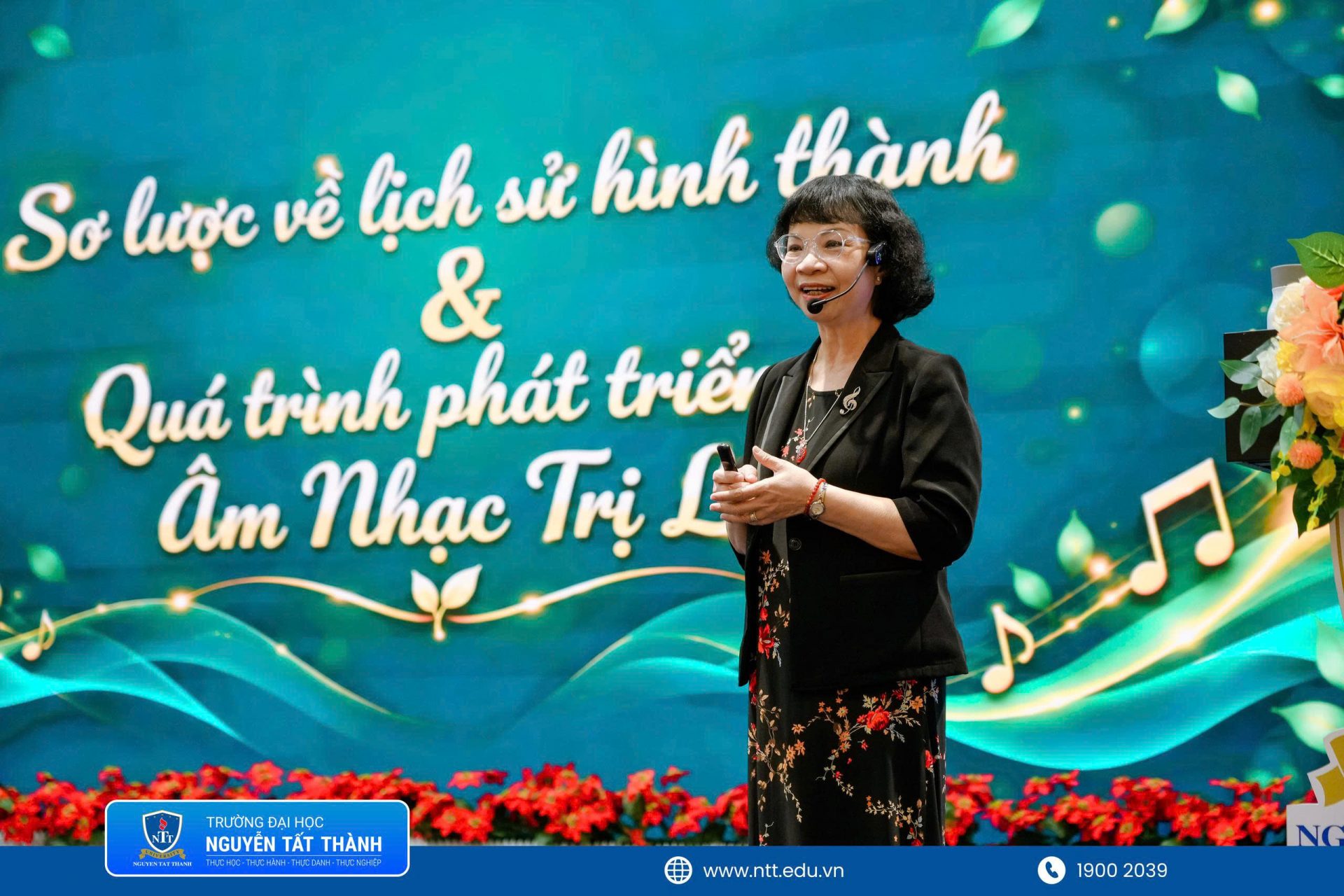
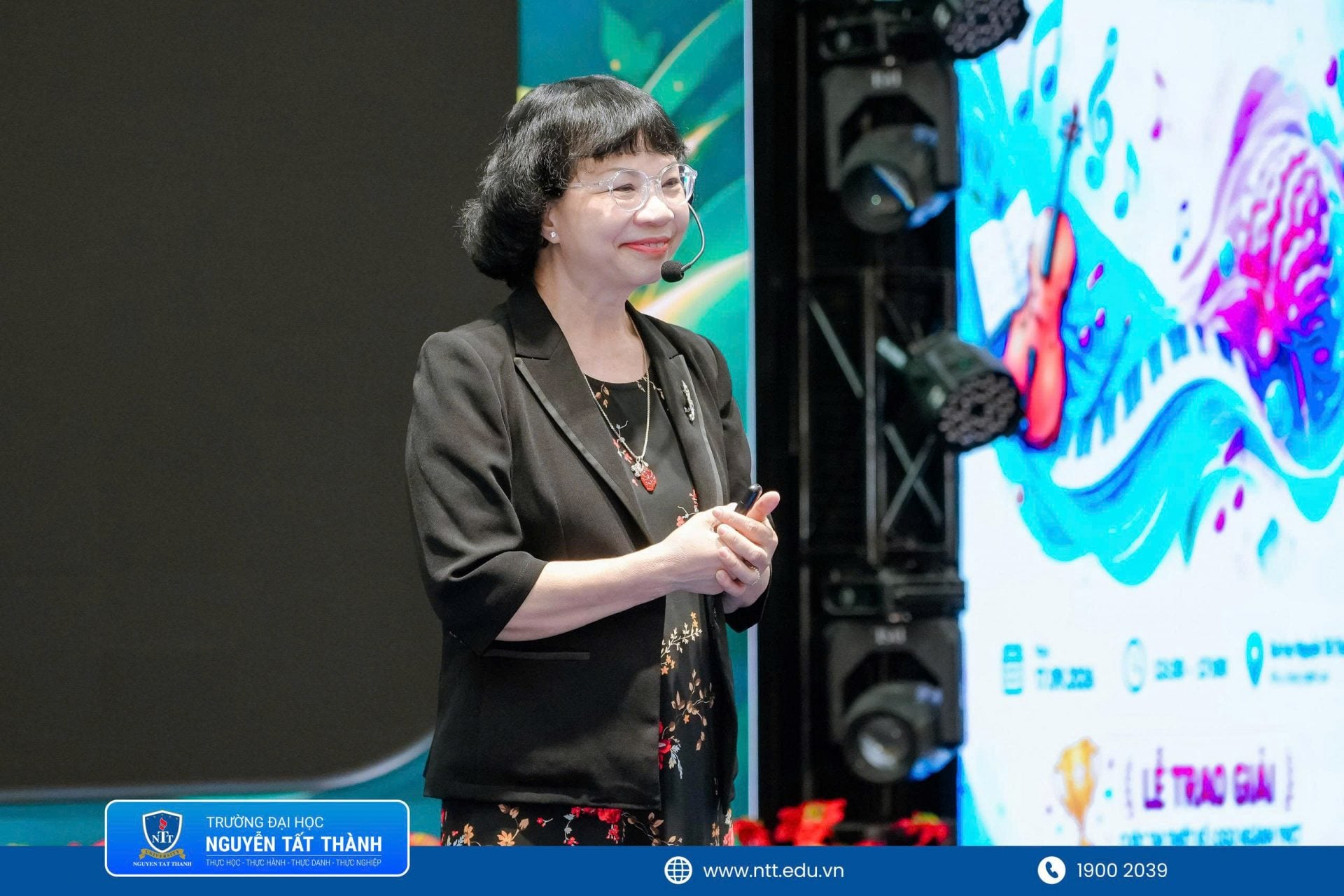
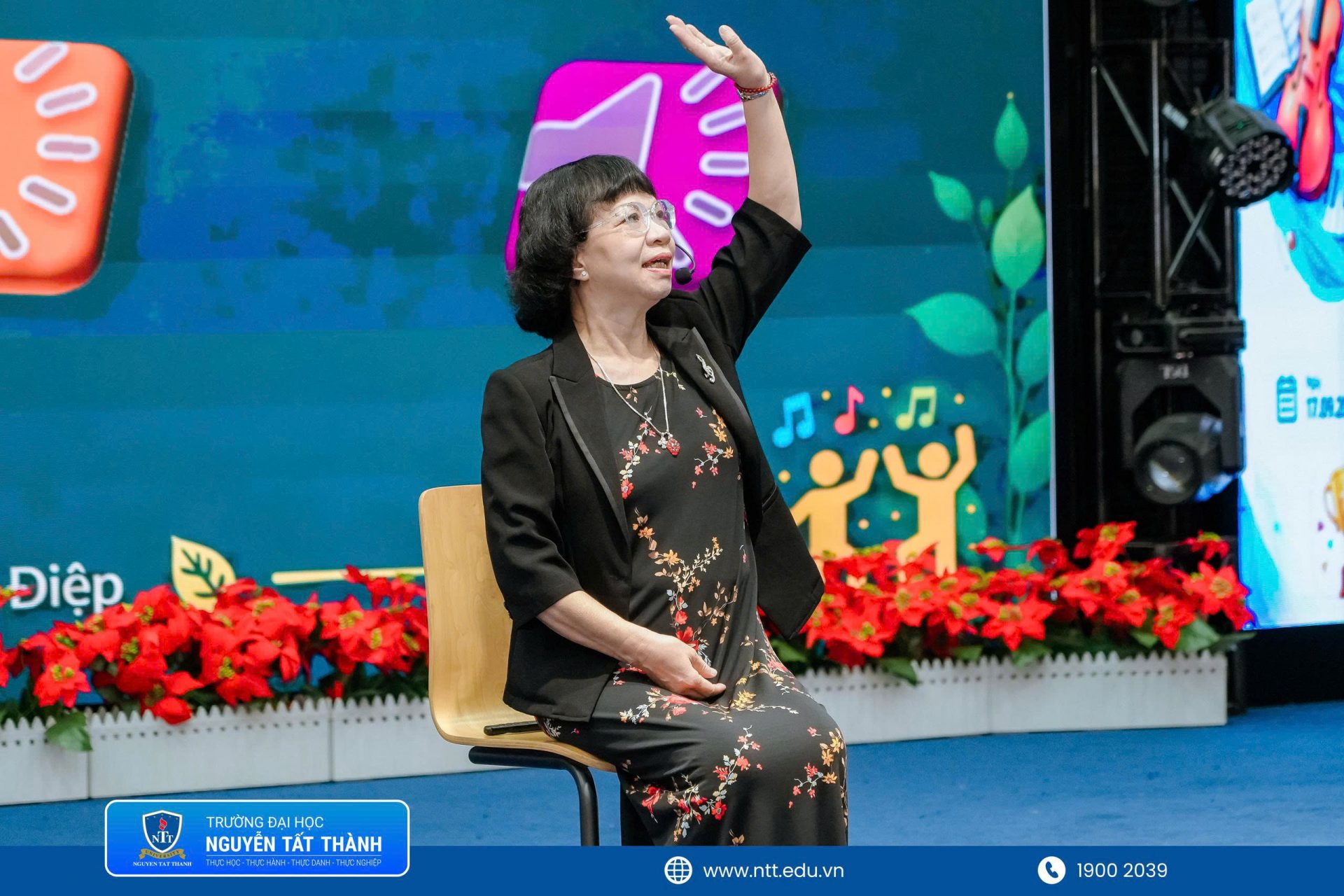
Meritorious Artist Hoang Diep introduces music therapy concepts, helping NTTU students better understand the intentional application of music in supporting healthcare
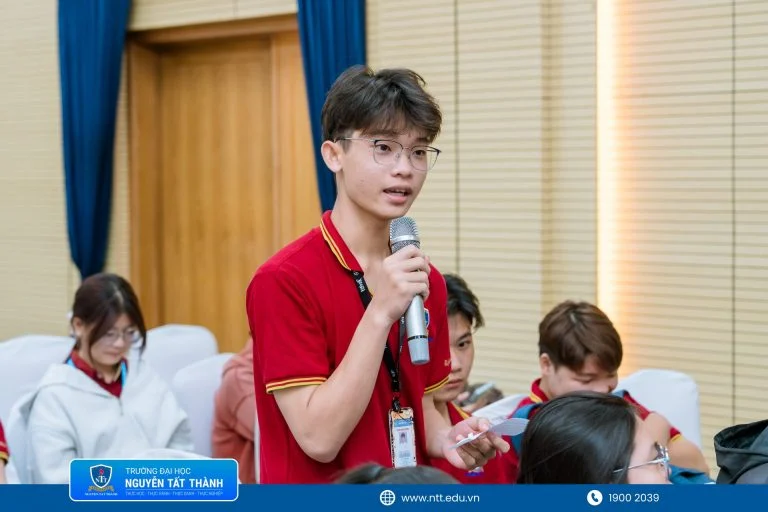
The atmosphere in the auditorium grew lively as students enthusiastically participated in musical games under the guidance of Meritorious Artist Hoang Diep. Through direct interactive activities, students experienced how music evokes emotions, fosters connection, and aids in understanding the topic better. The Q&A session with the speaker provided further opportunities for students to exchange ideas, resolve queries, and delve deeper into the potential applications of music in health support.
For Traditional Medicine students, the discussion also highlighted the link between holistic human care mindsets and modern supportive methods. The expert’s knowledge helped learners appreciate the importance of reviewing professional bases, defining clear objectives, and evaluating conditions before selecting appropriate methods for each individual. This is an essential requirement for students to foster a cautious, responsible attitude when approaching healthcare methods during their academic and professional journeys.
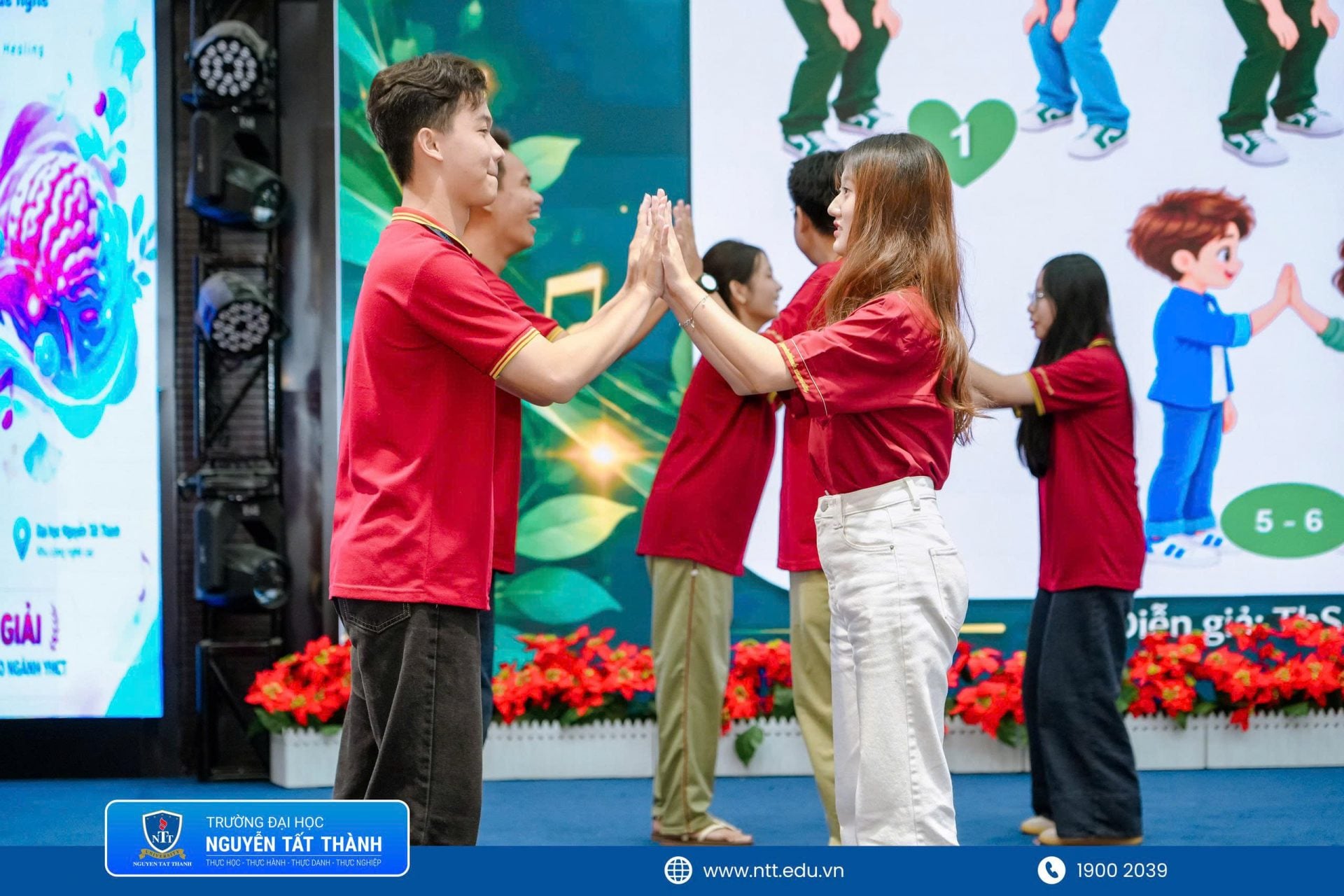
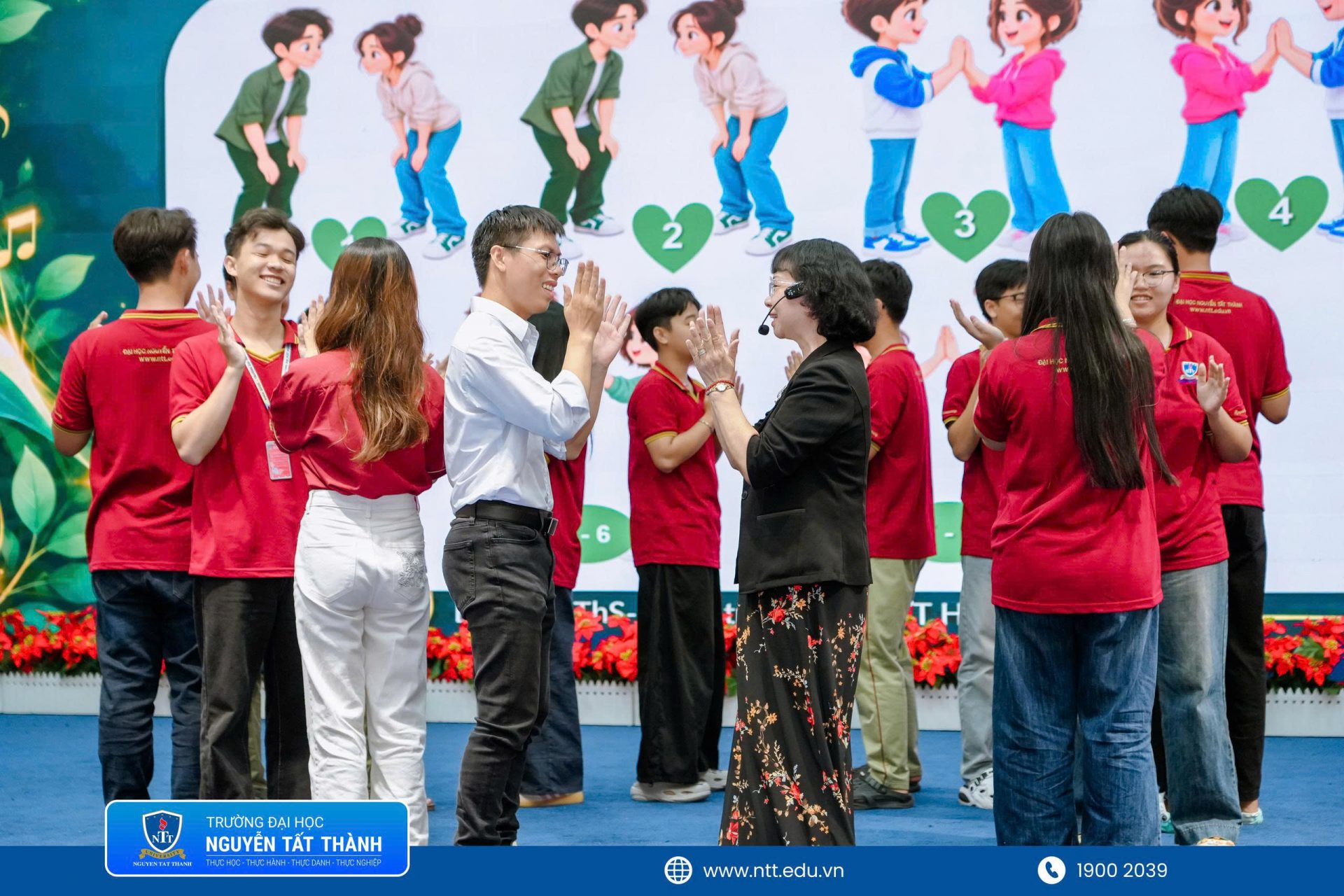
NTTU students eagerly engage in musical games with Meritorious Artist Hoang Diep, directly experiencing how music evokes emotions and creates connections
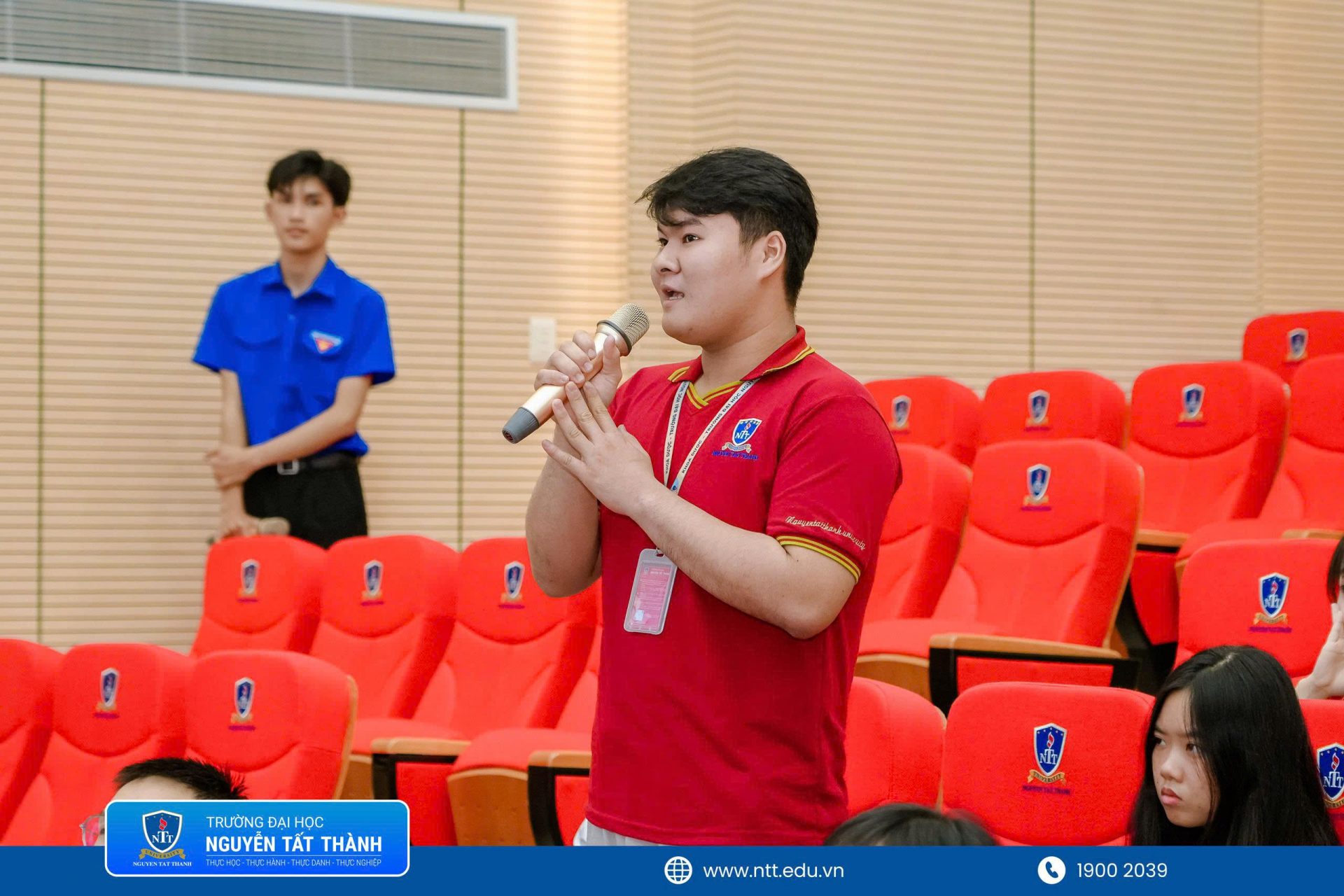
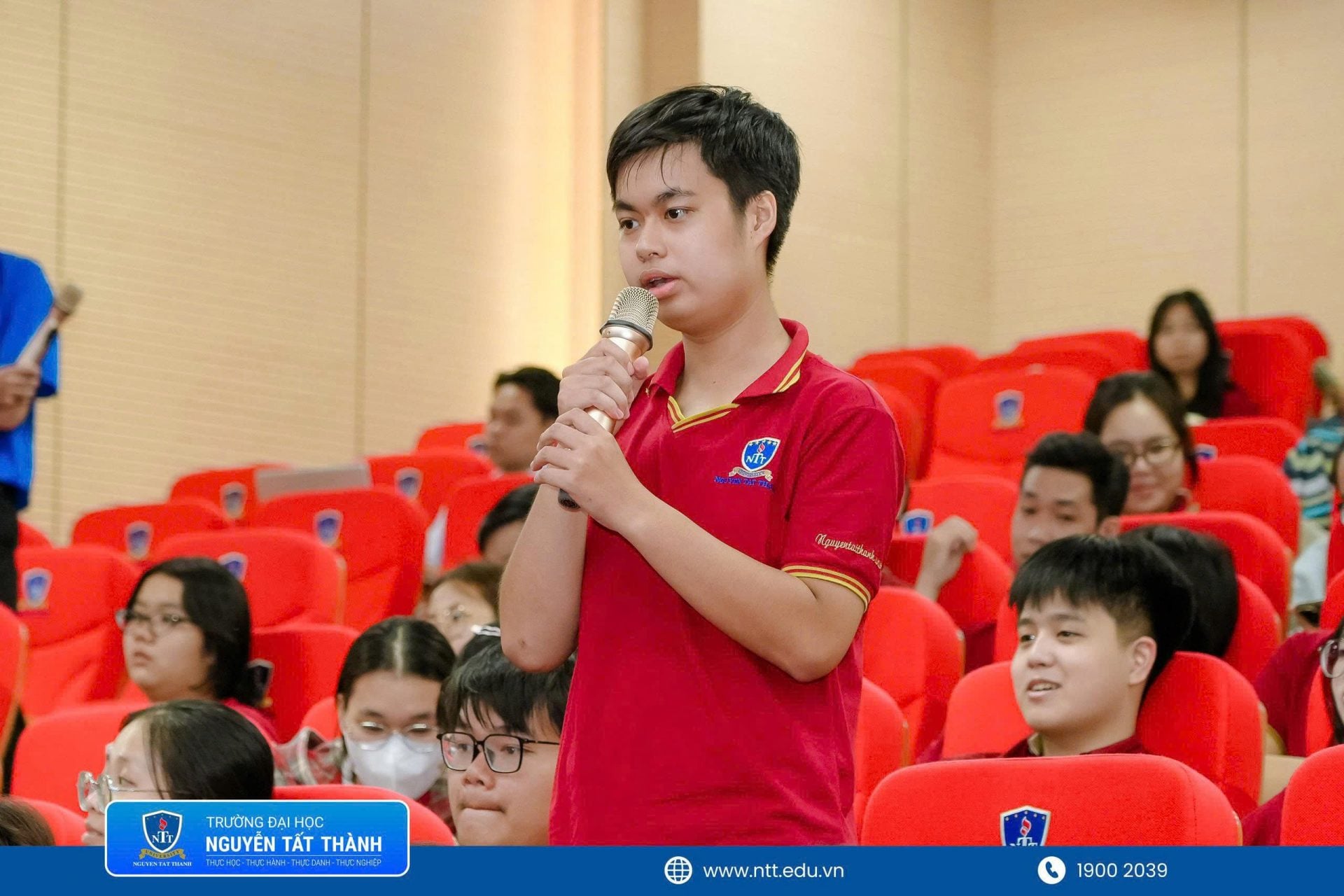
Honoring creative ideas from 43 Traditional Medicine logo design submissions
Following the workshop content, the Faculty of Pharmacy organized the Award Ceremony of the Traditional Medicine Logo Design Contest, honoring outstanding works among 43 entries. The contest was held to select an official brand symbol for the Traditional Medicine major under the Faculty of Pharmacy, Nguyen Tat Thanh University, while encouraging students to demonstrate passion and unique perspectives toward their field of study. It was also an activity celebrating the 18th anniversary of the Faculty of Pharmacy, contributing to preserving and spreading the discipline’s identity.
At the ceremony, student Nguyen Ma Ha Lam (class 21DDS1B) was awarded First Prize for entry MS40. The Second Prize went to a group of three students: Do Hoang Thong, Huynh Thanh Thuan, and Vo Khanh Trung (class 25DYC1A), with entry MS38. Two Third Prizes were awarded to students Tran Phuoc Thien (class 21DDS4B) and Nguyen Tran Tuong Van (class 21DDS4C).
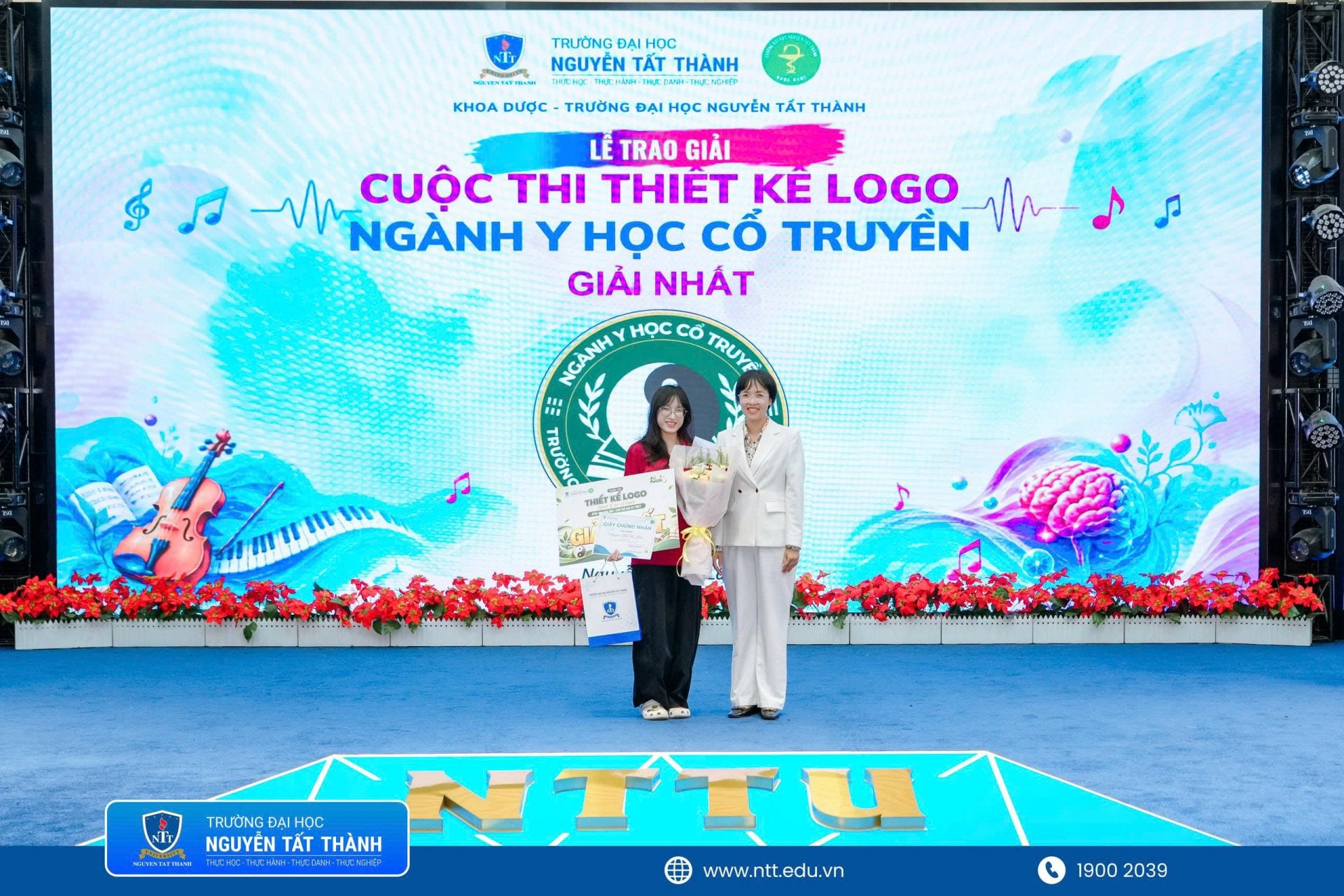
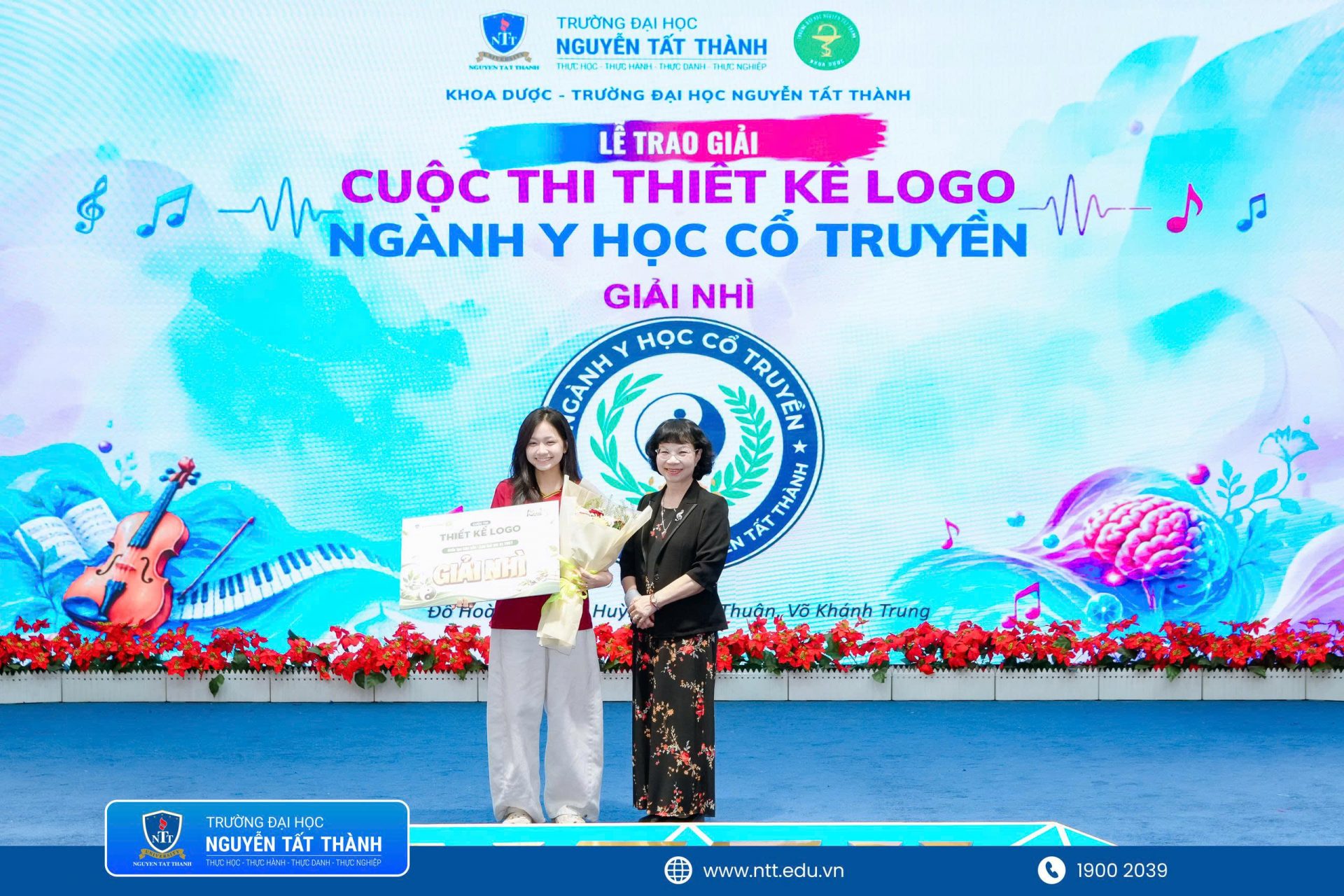
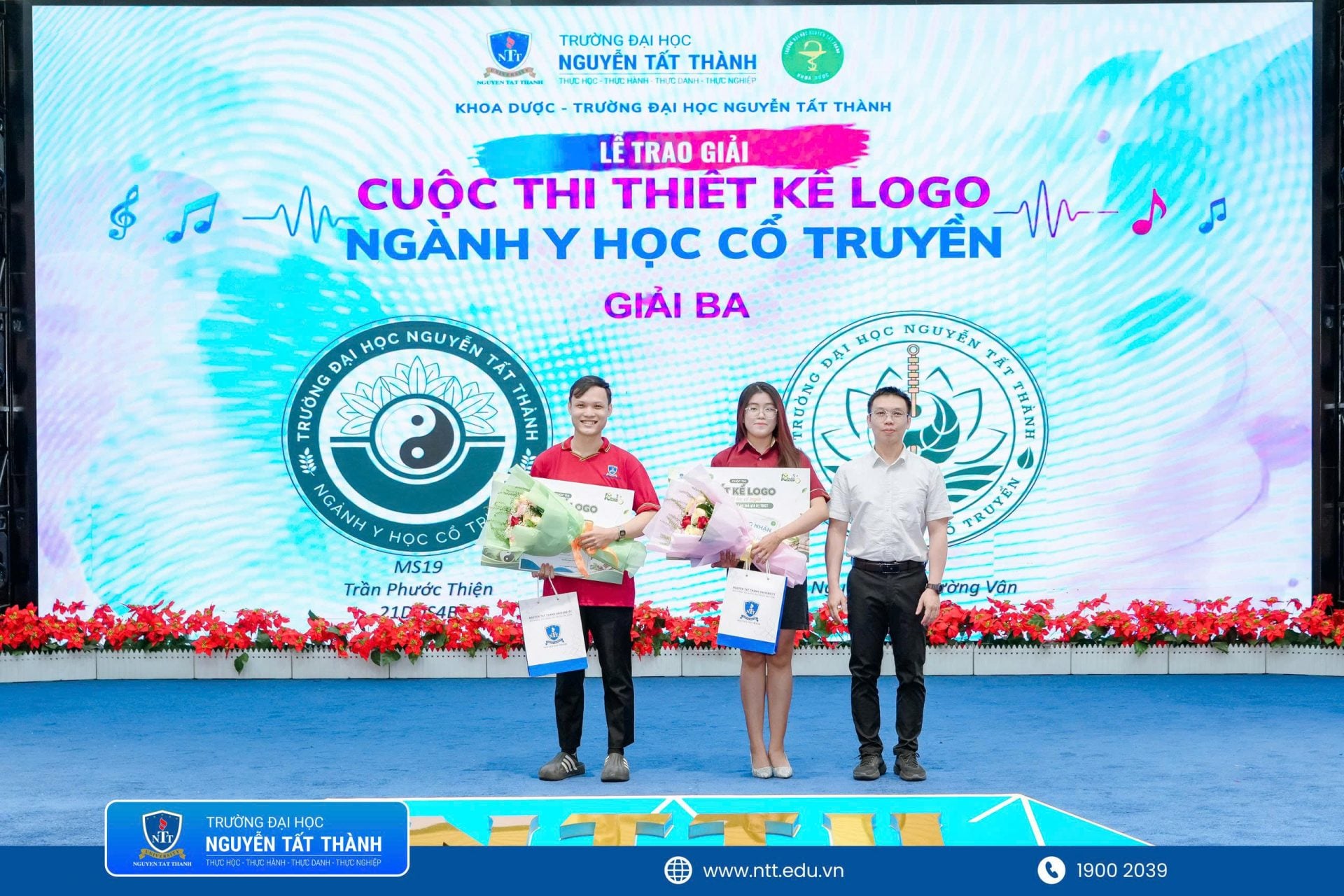
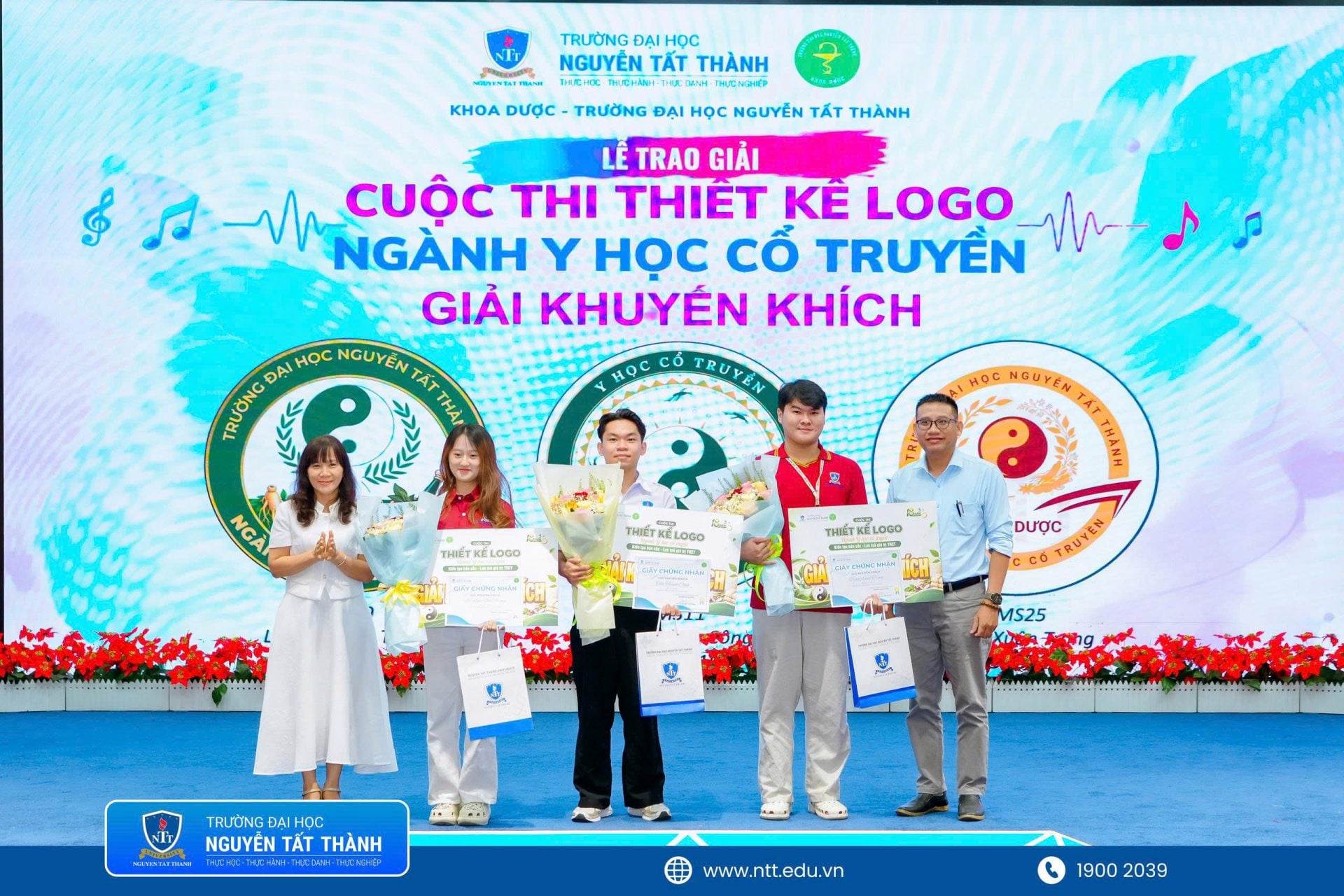
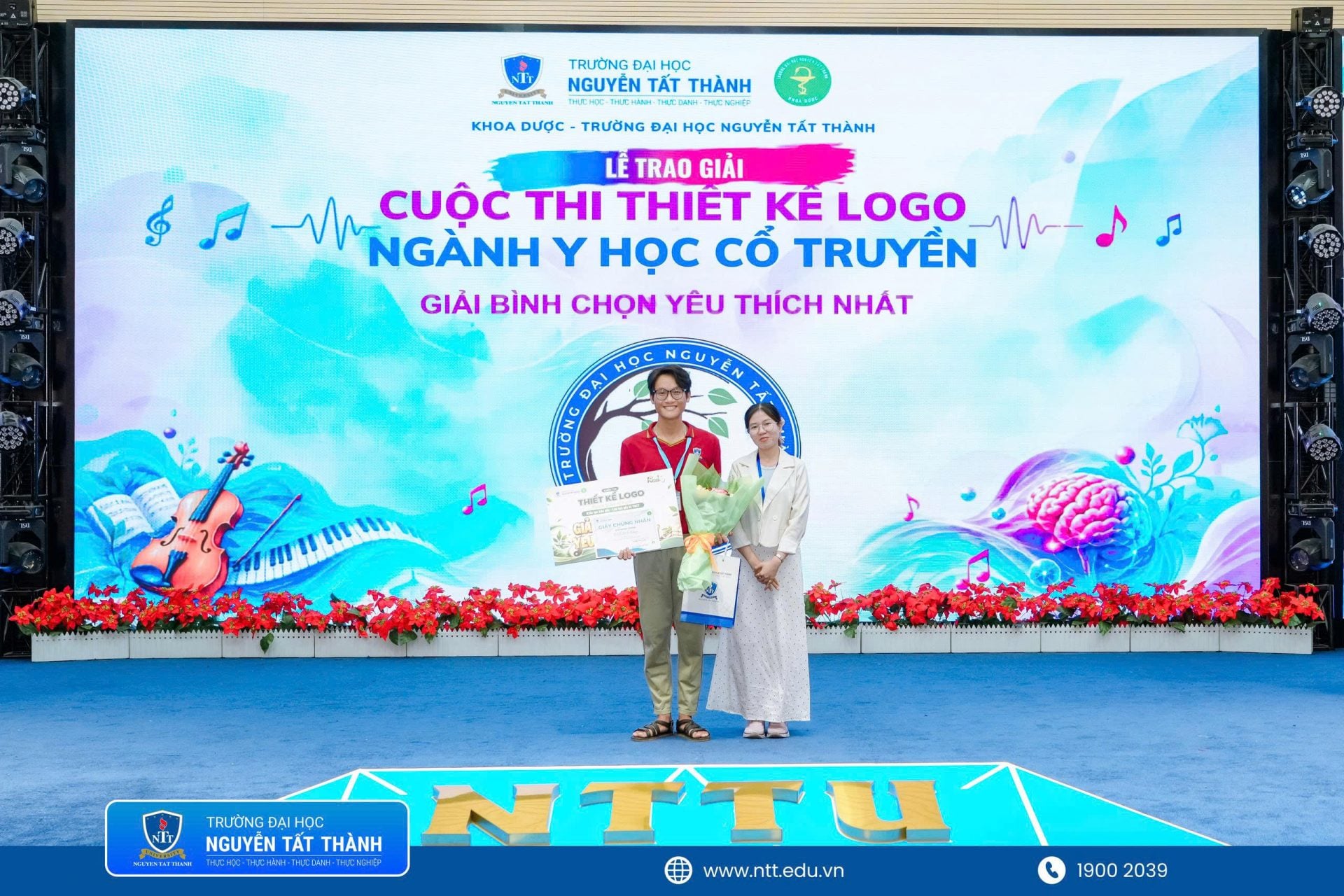
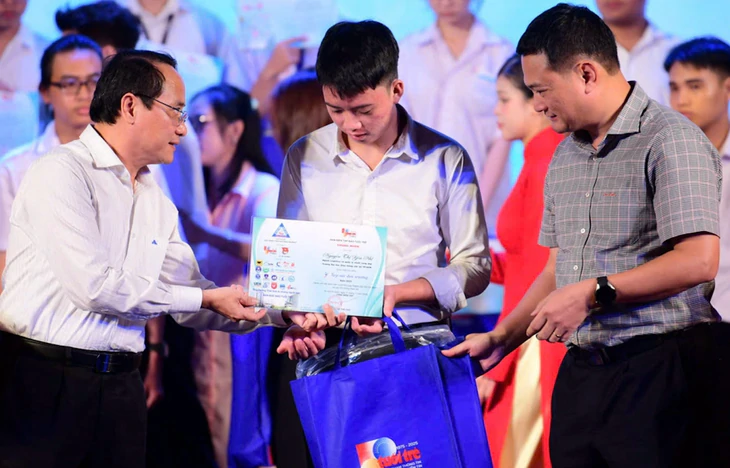
The Organizing Committee honors students with outstanding achievements in NTTU’s Traditional Medicine Logo Design Contest, acknowledging creative ideas from 43 submissions
The Organizing Committee also presented 3 Consolation Prizes to students Le Ngoc Thu Trang (class 25DYC1B), Tiet Thanh Cong (class 24DYC1B), and Tran Xuan Trong (class 25DDS1A). The Most Popular Vote Award belonged to student To Tat Thang (class 24DYC1A) with entry MS34.
Through the contest, students had the opportunity to contribute ideas toward building the visual identity of the Traditional Medicine department using their own creativity. The submitted works reflected the learners’ dedication and affection for their academic field, while contributing to spreading the identity of Traditional Medicine within the university environment.
The combination of the workshop and the logo design contest further highlights the orientation of the Faculty of Pharmacy, Nguyen Tat Thanh University, in diversifying learning activities, enabling students to gain insights from experts and unlock their creative potential. These experiences contribute to establishing an educational environment that encourages proactive learning, helping students expand their knowledge and nurture professional dedication starting from their time in university lecture halls.
By: Cam Thach
Photos: Media Team