
 Tiếng Việt
 Home
Home Introduction
 Announcements
 Student Essential
 Event attendance lists
AI tools are being integrated into various stages of the learning and artistic creation process, from audio processing and music transcription support to course material development and performance concept generation. At the seminar “Breathing Technology into Heritage – AI Applications in Teaching Traditional Music”, faculty members and students from the Faculty of Performing Arts, Nguyen Tat Thanh University, engaged in hands-on practice with multiple AI tools applied directly to scenarios in Vocal Music, Piano, and Dance Choreography.
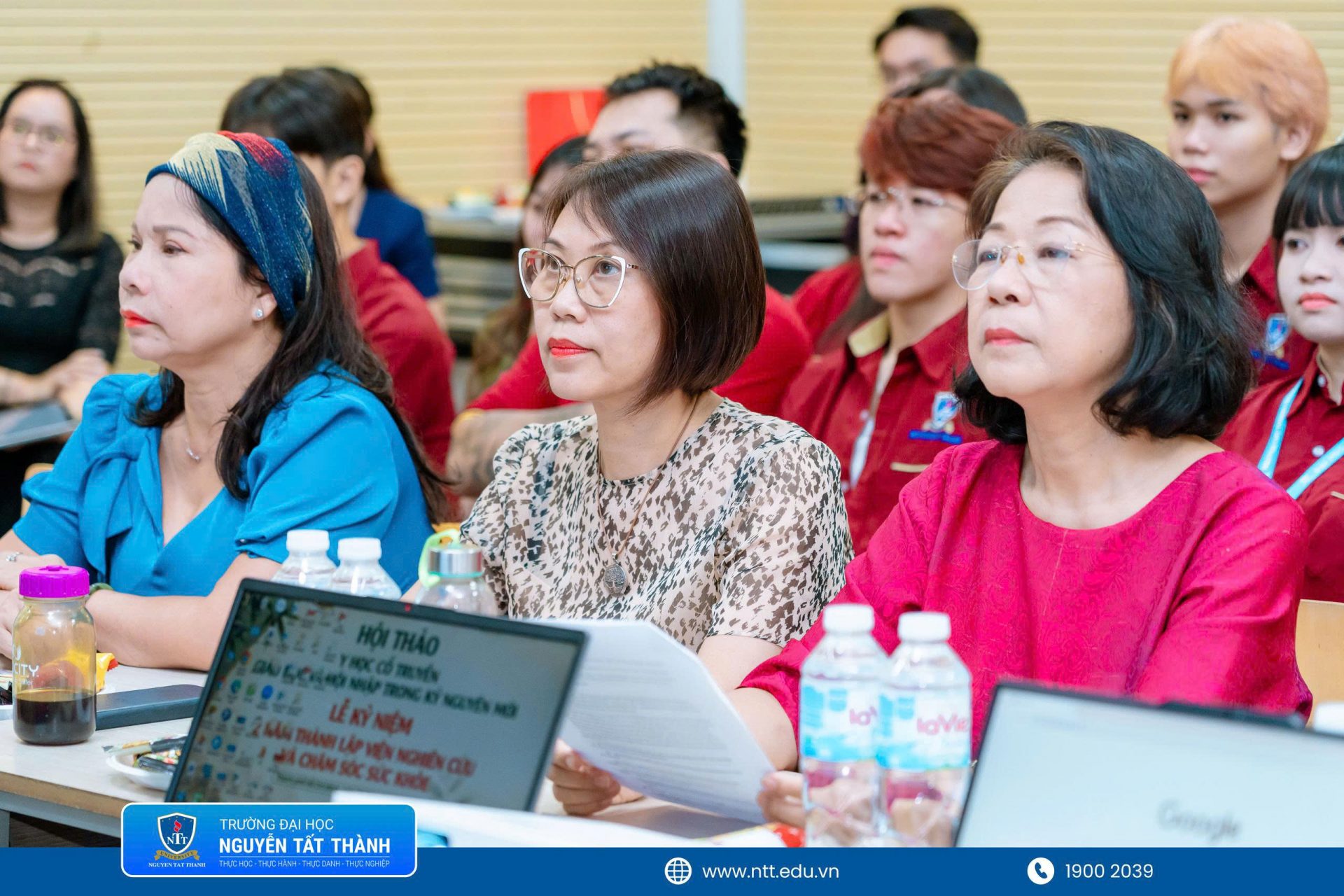
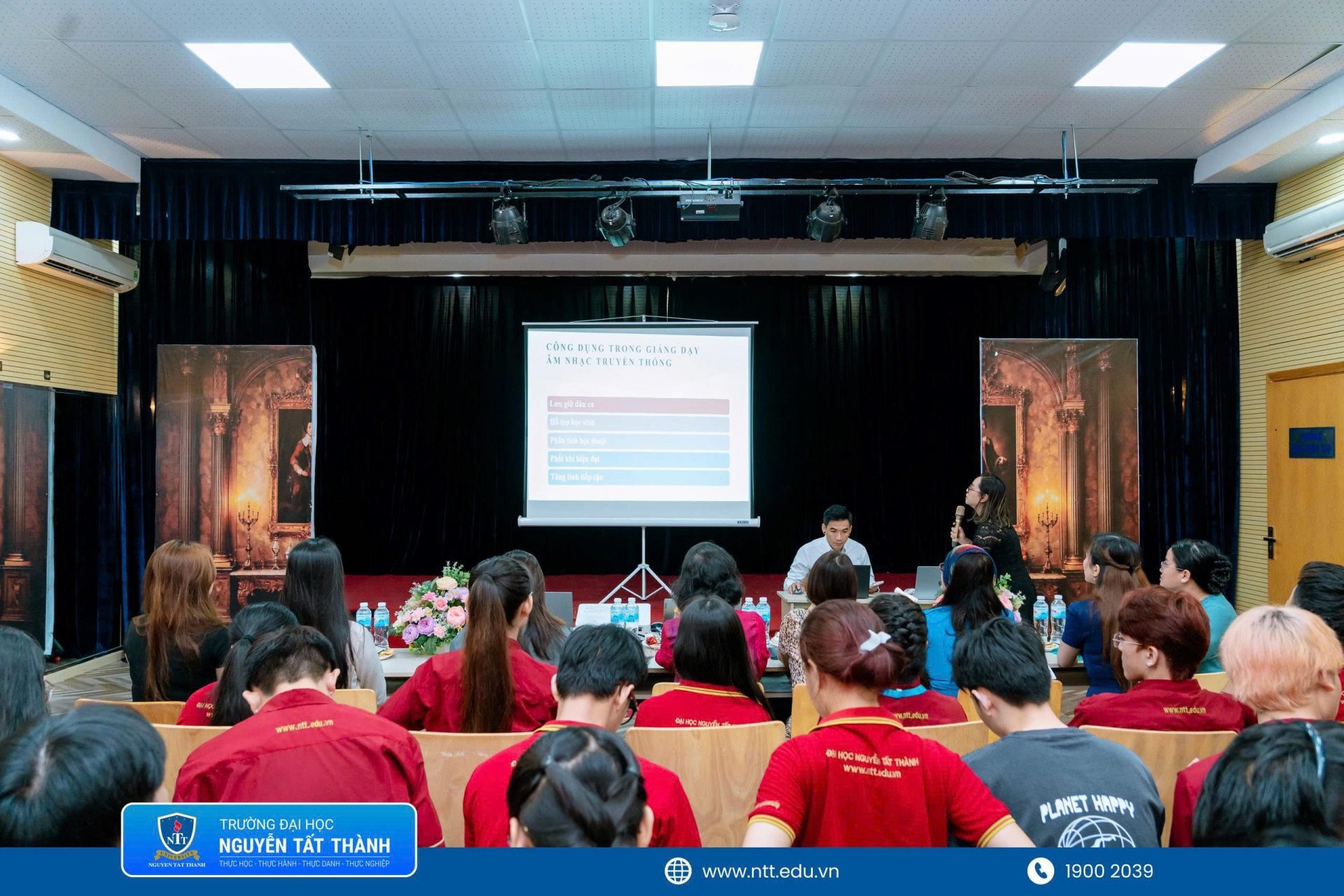
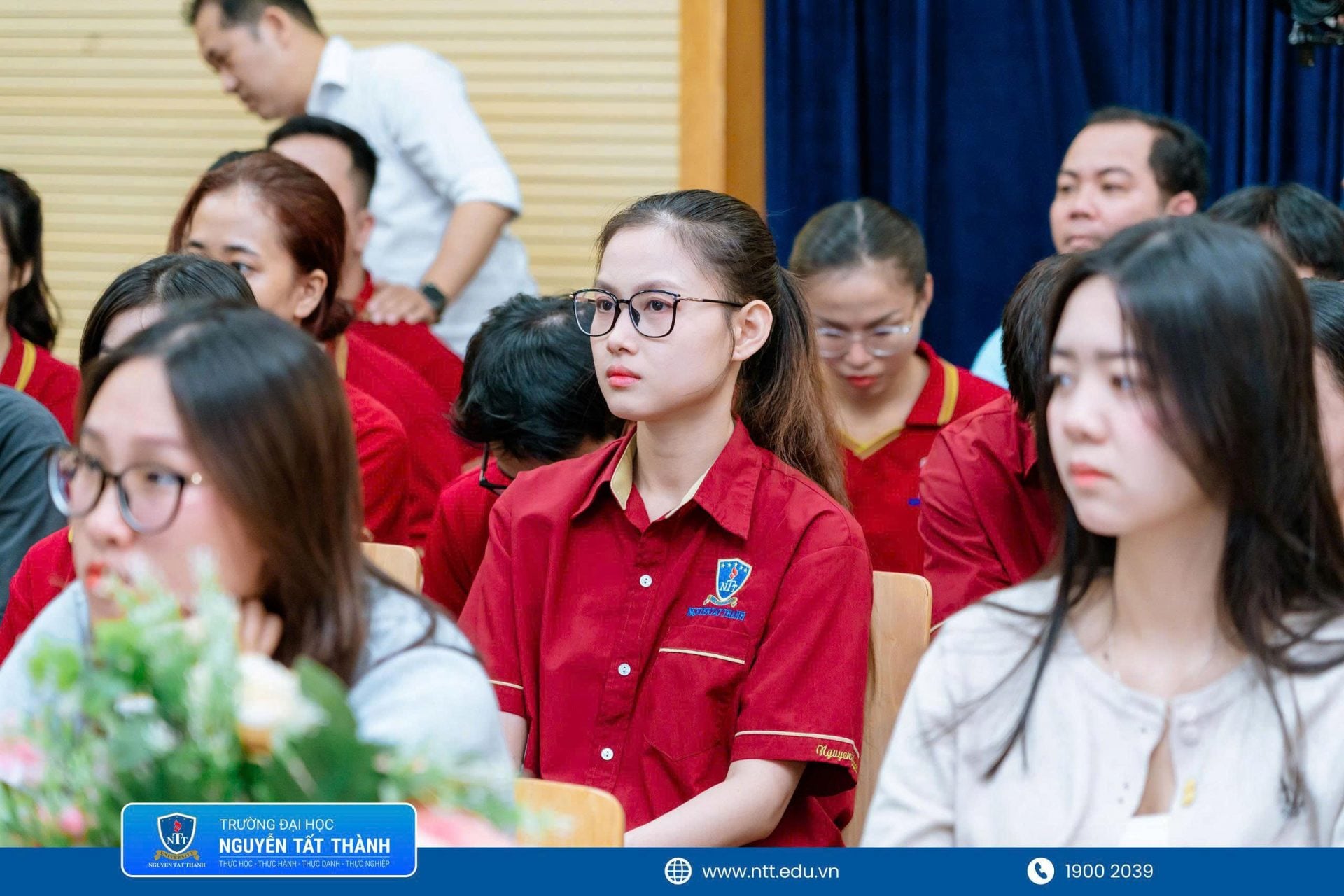
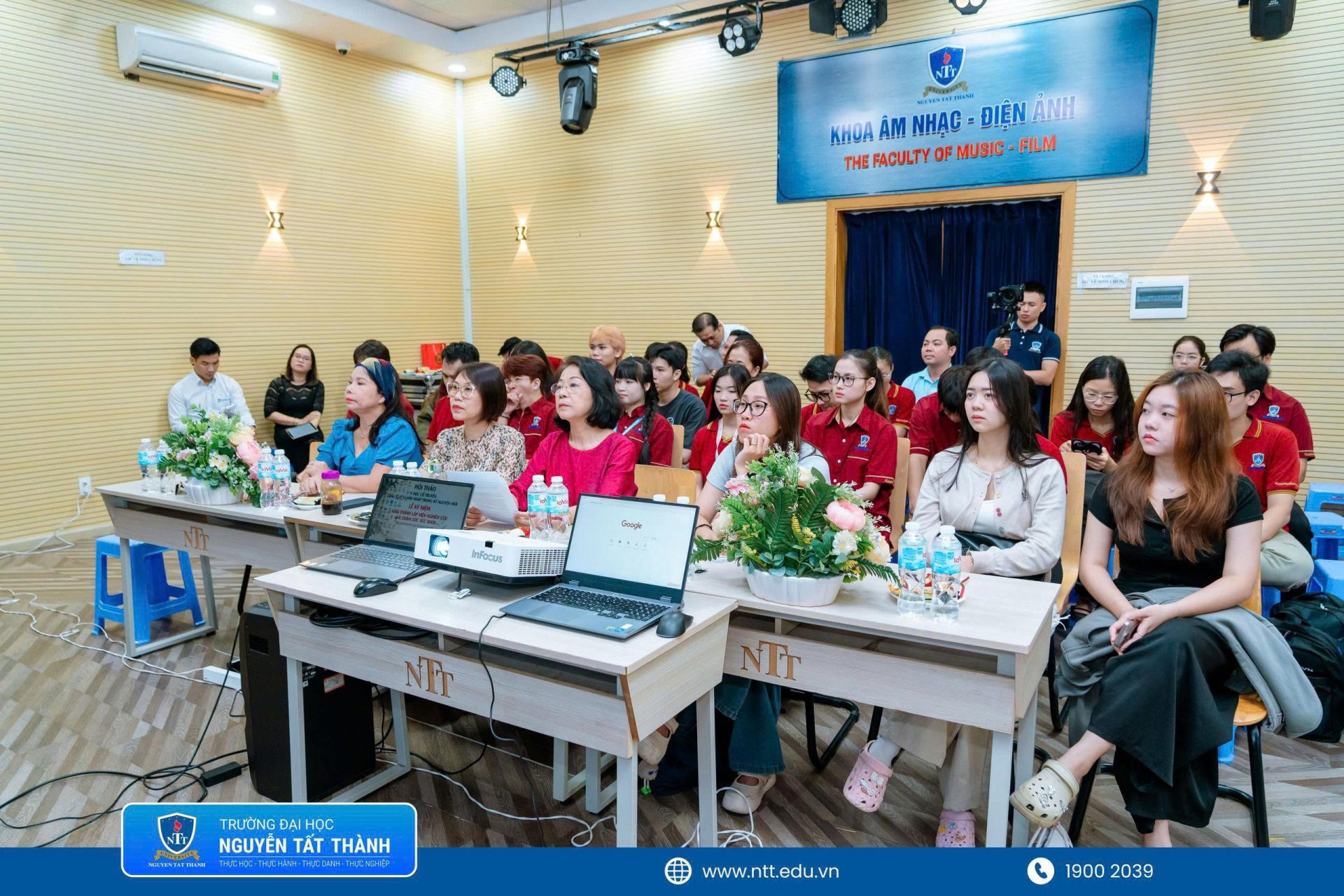
Faculty members and students of the Faculty of Performing Arts, Nguyen Tat Thanh University participate in the seminar “Breathing Technology into Heritage – AI Applications in Teaching Traditional Music”
Recently, the Faculty of Performing Arts organized a seminar at Campus 298A Nguyen Tat Thanh, attended by representatives from the Board of Management, the Department of Science and Technology, the Faculty Management Board, faculty members, and students. The event was directed and content-supervised by M.A. Meritorious Artist Nguyen Thi Anh Tuyet – Head of the Faculty of Performing Arts; M.A. Tran Thi Ai Thuy – Vice Head of Faculty, co-chaired the session and directly presented a topic on AI applications in processing and restoring musical archives.
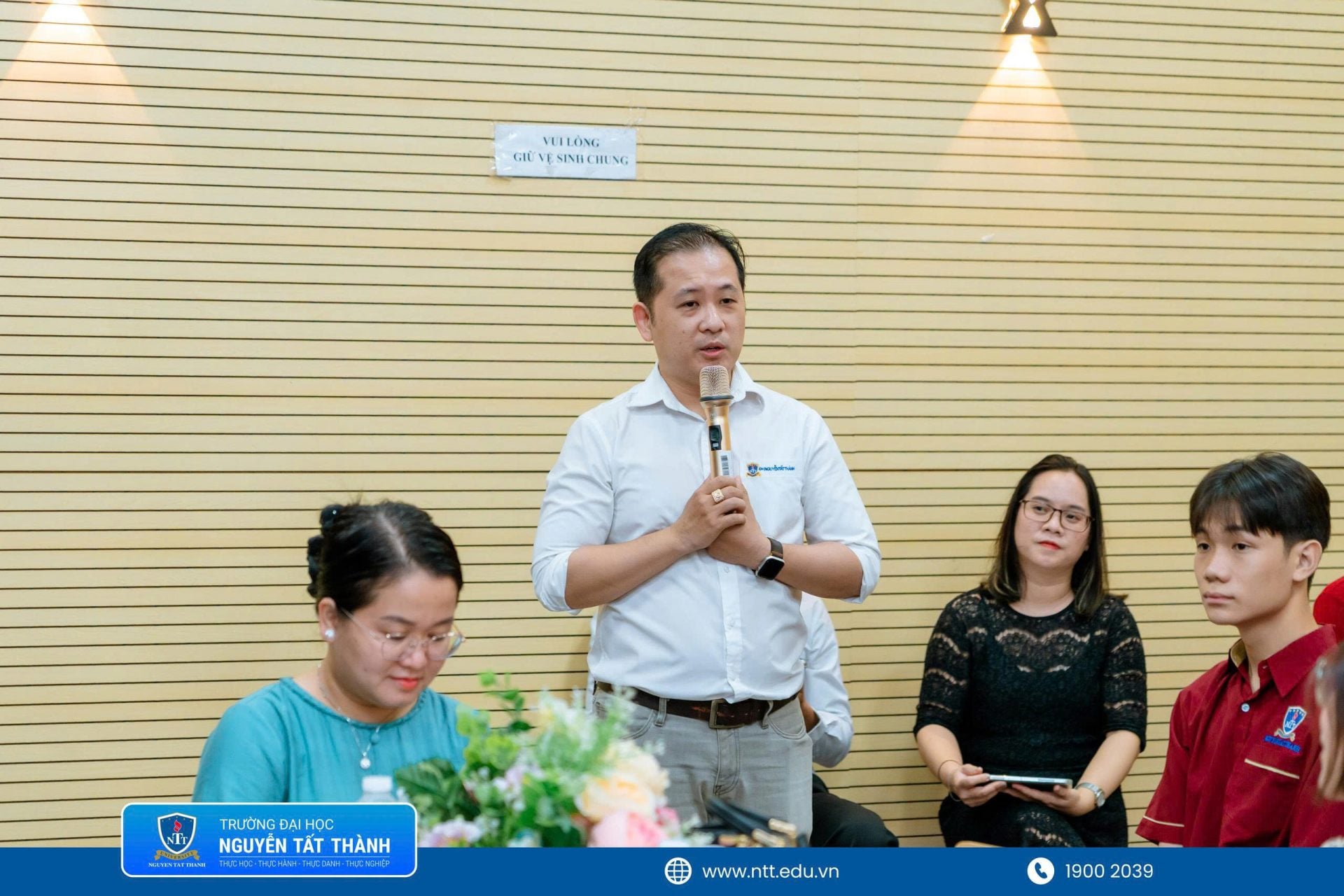
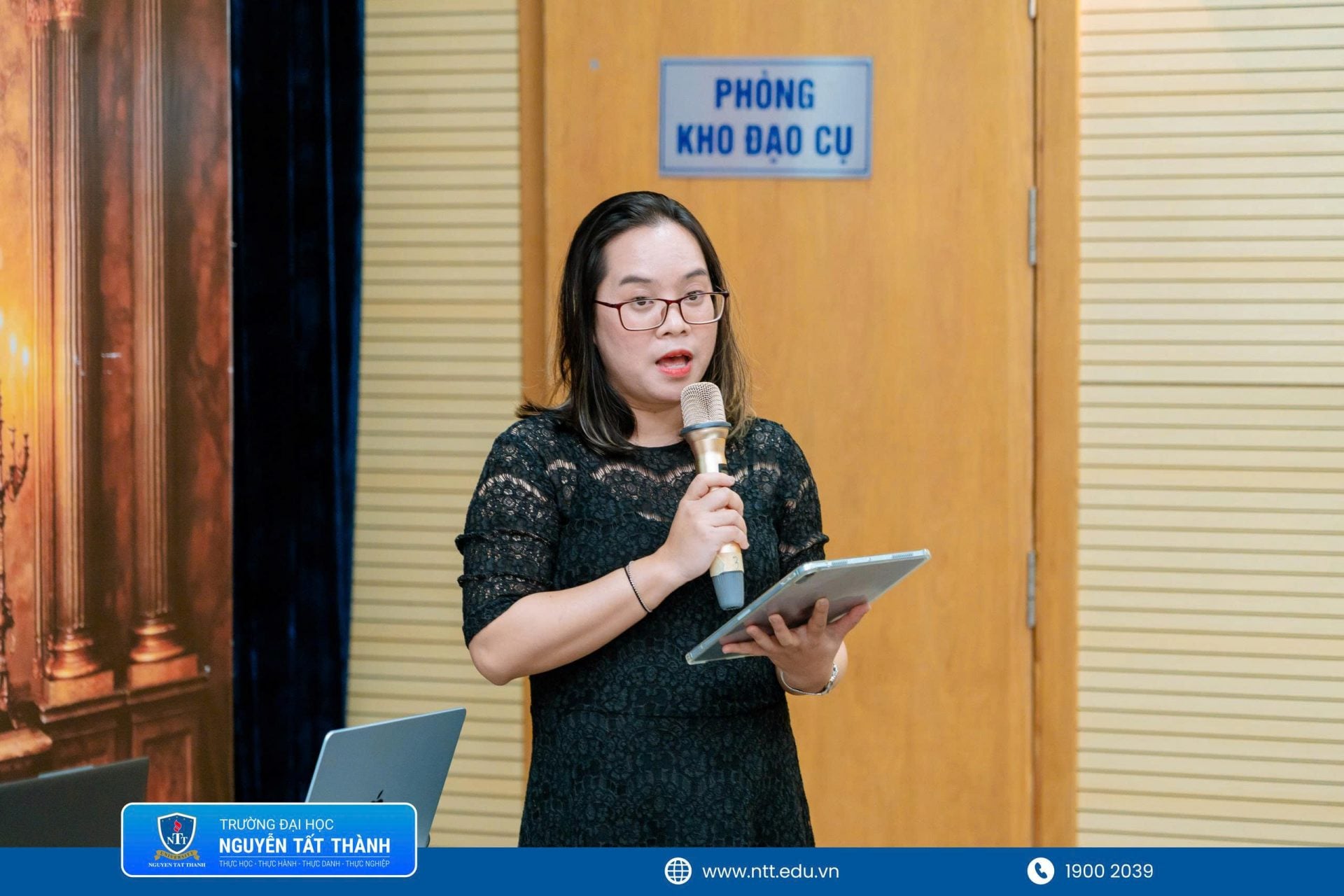
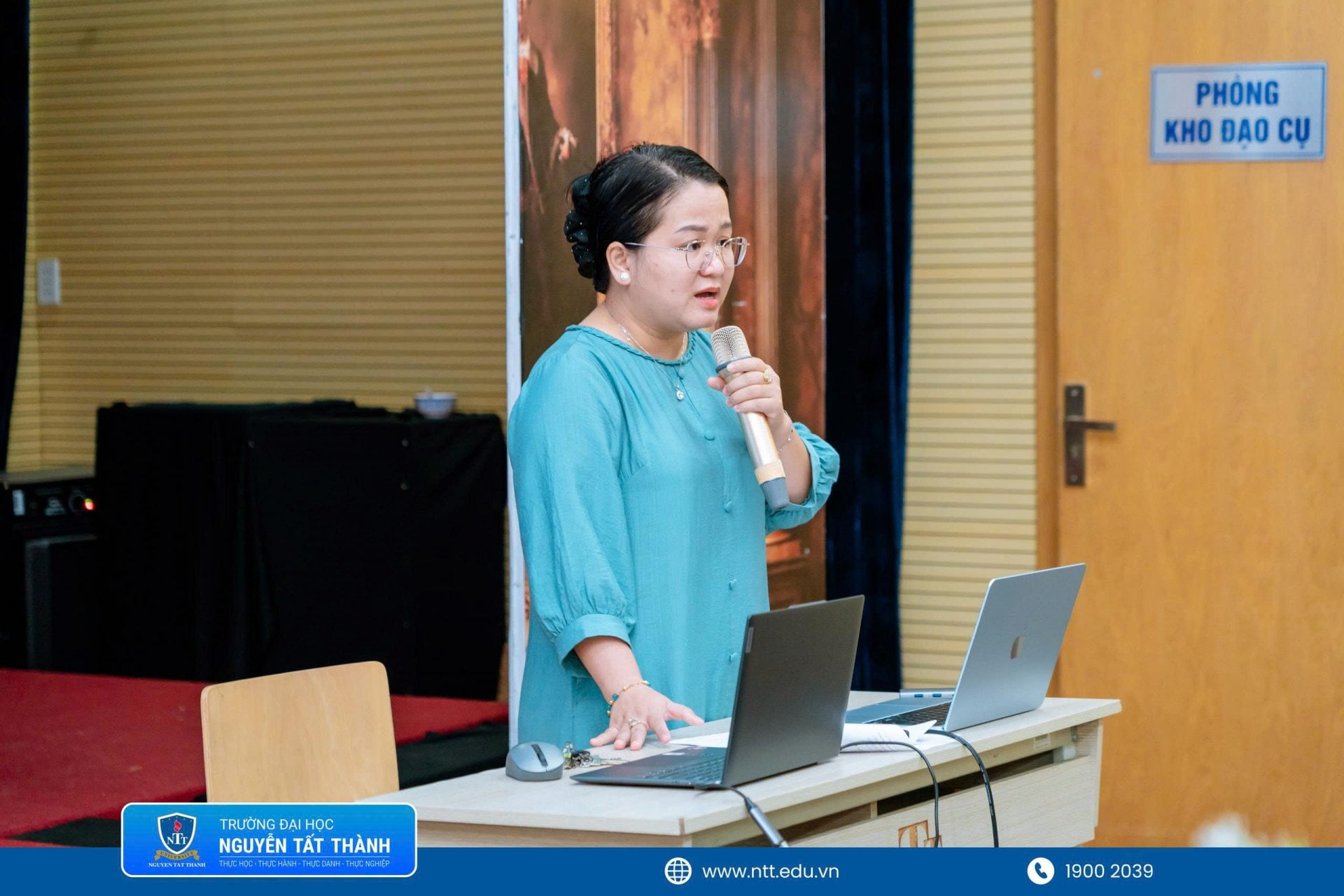
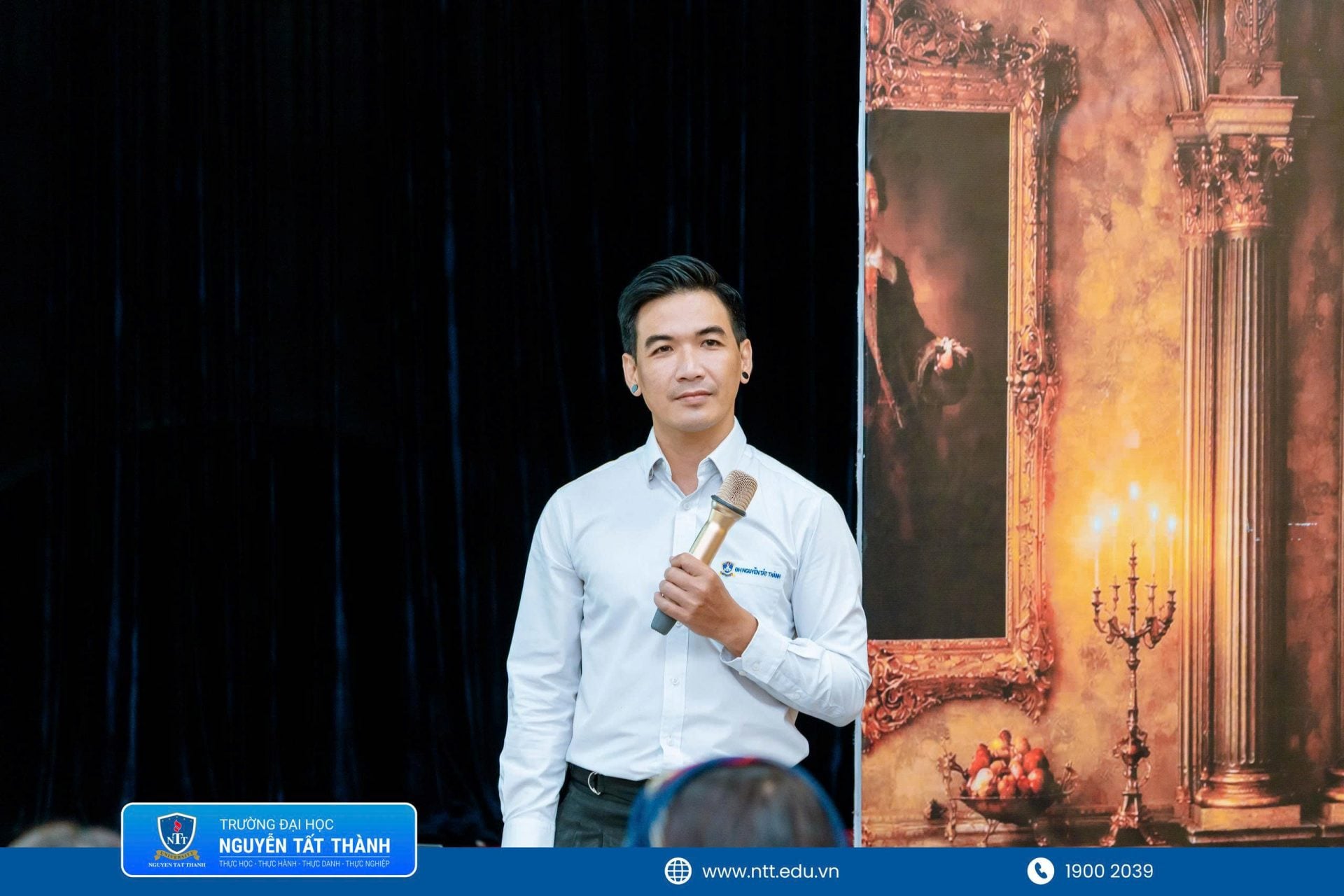
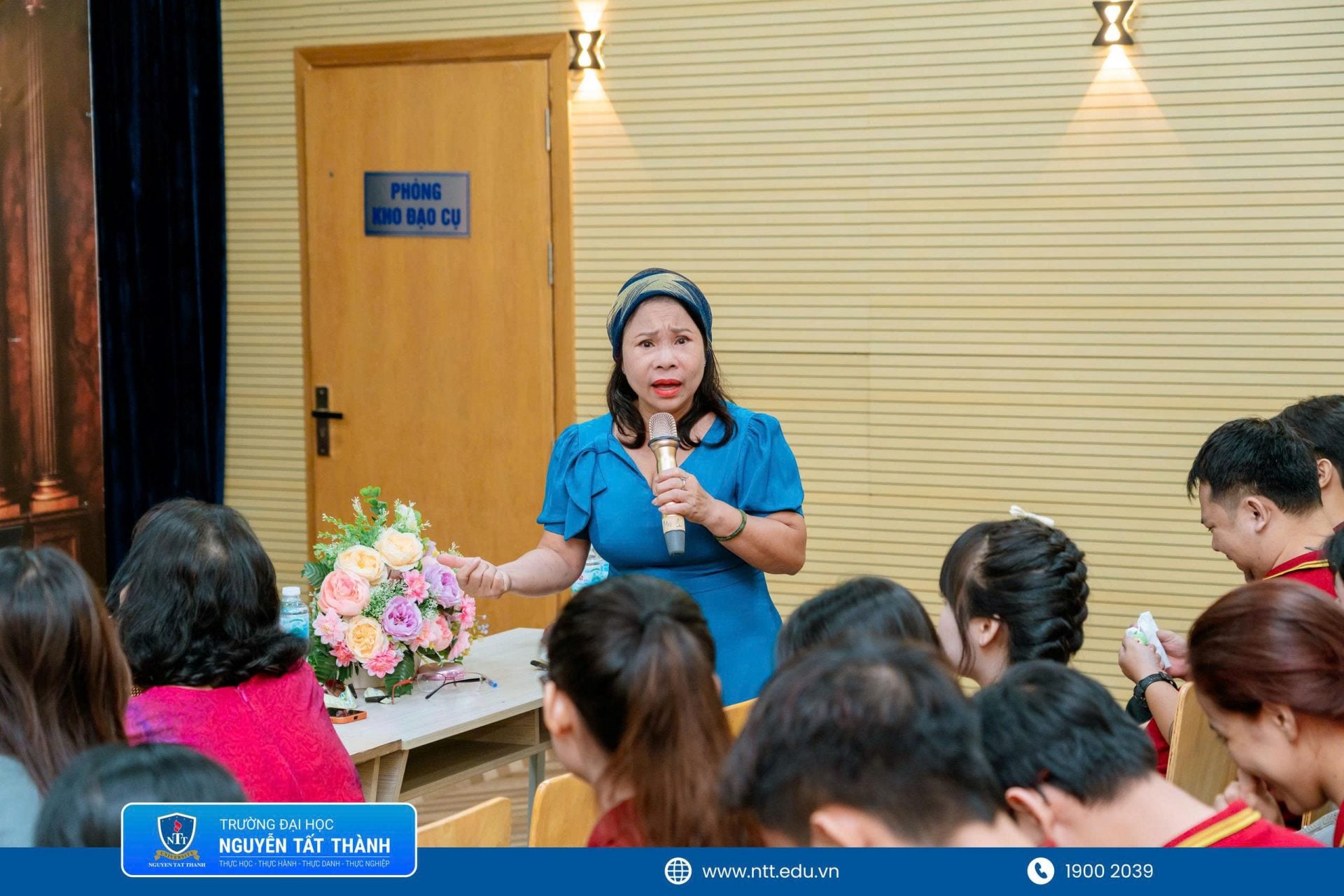
The seminar content focused on the capabilities of AI applications in audio processing, archival restoration, transcription assistance, and learning material development for arts education
AI integrated into specific learning scenarios
The program’s content focused on common needs in arts teaching and learning. In the topic “Visualization and Archival Restoration”, M.A. Tran Thi Ai Thuy introduced LALAL.AI and several AI utilities in Audacity for noise filtering, vocal separation, backing track isolation, and processing old recordings. These operations assist learners in accessing and processing traditional music archives for research, practice, and teaching content preparation.
In the topic “Music Transcription and Folk Scale Analysis using AI”, M.A. Hua Nguyen Bao Nhi – Head of the Piano Department – guided participants on using Klang.io to detect melodies, chords, and rhythms from audio or video files, while converting audio data into reference sheet music. Meanwhile, M.A. Nguyen Luong Hoa demonstrated how to construct prompts on ChatGPT, Claude, and leverage Gamma AI to systemize content, design e-lectures, and generate illustrative imagery.
The topics were directly linked to each specific major. Vocal Music students can use AI to assist in vocal separation, melody analysis, and practice planning; Piano students gain additional reference tools for transcription, chord analysis, and musical structure; Dance Choreography students can harness AI to explore musical materials, create stage visuals, and present artistic concepts.
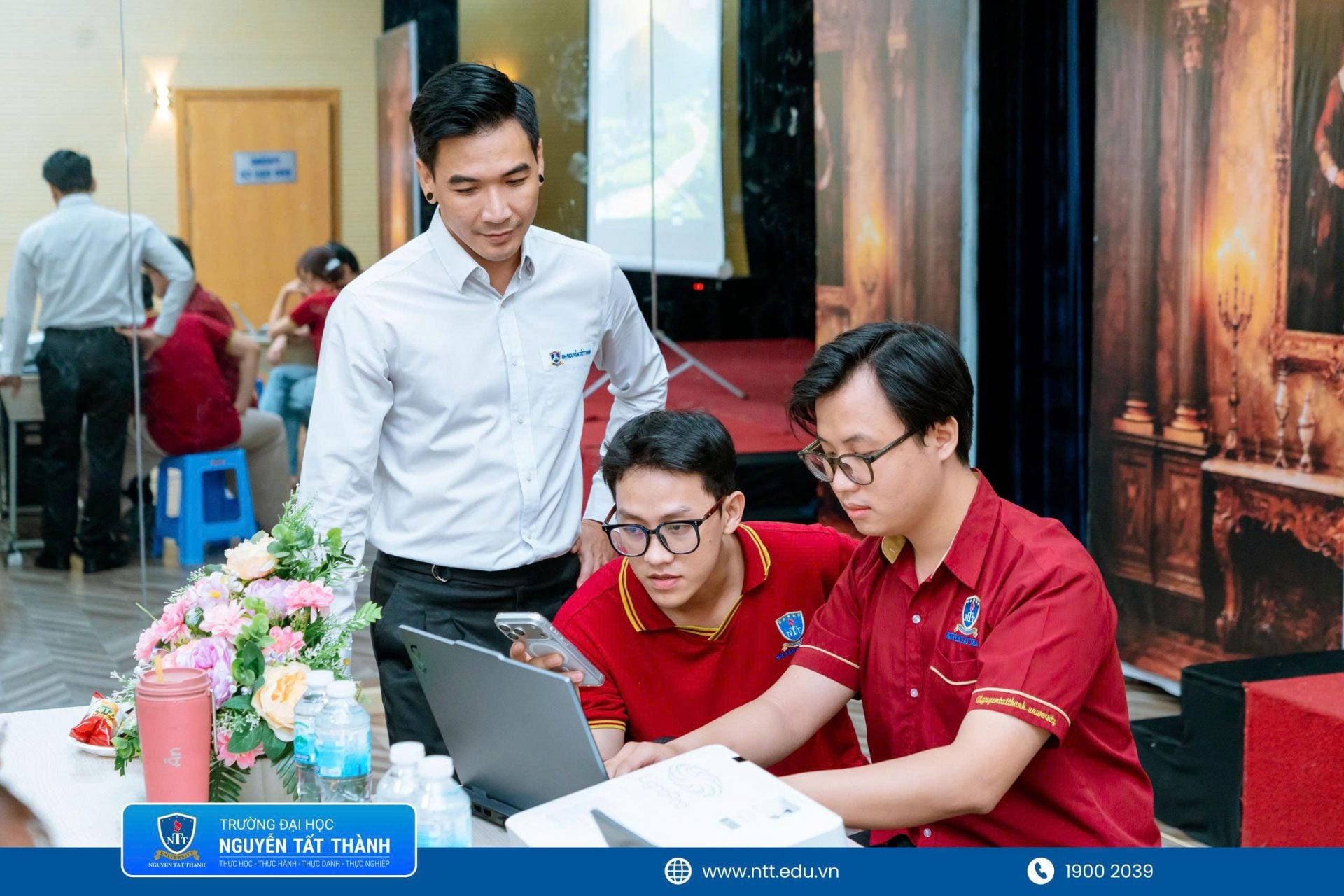
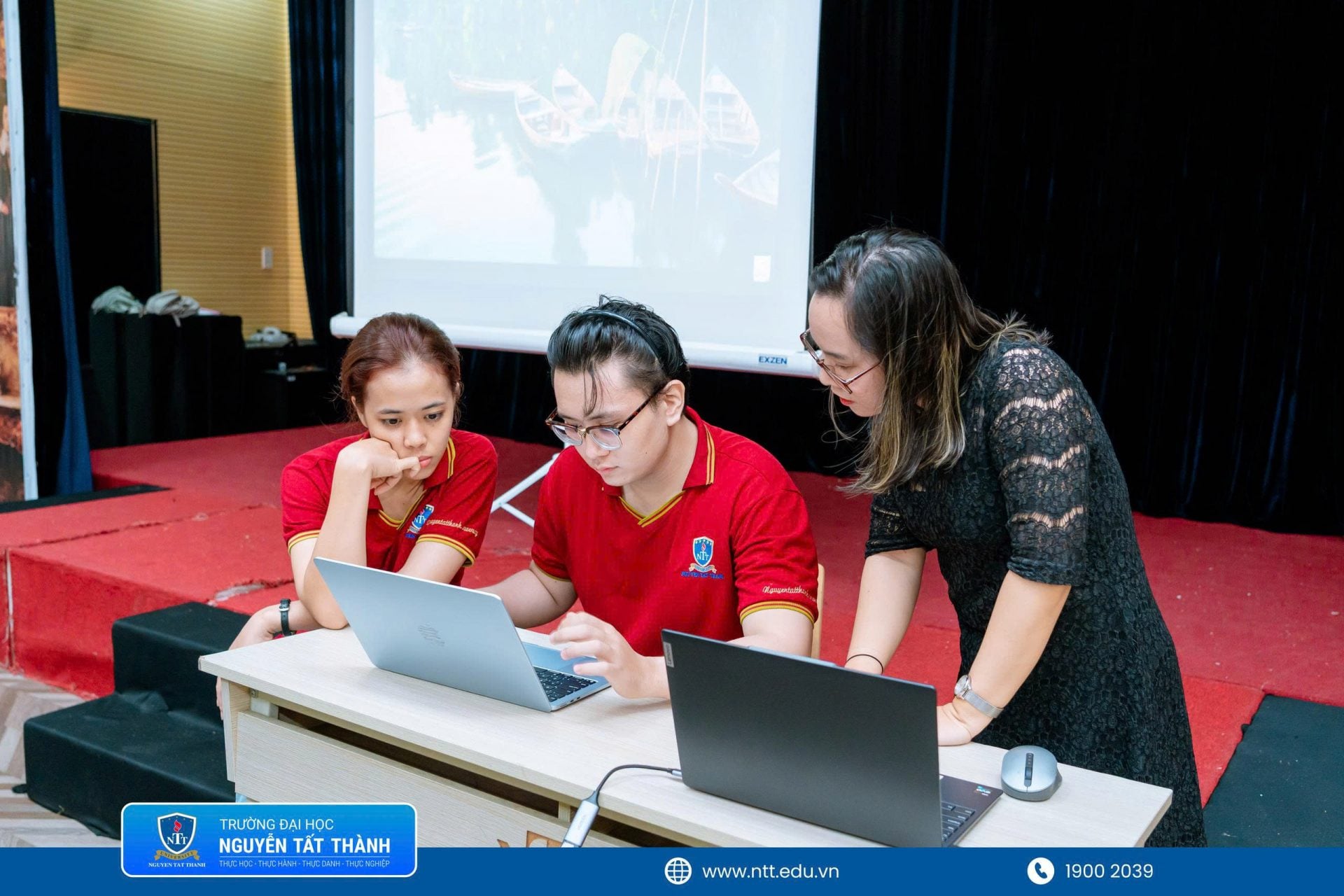
Practical activities help students verify AI-generated results while honing their skills in evaluating, adjusting, and using technology based on professional expertise
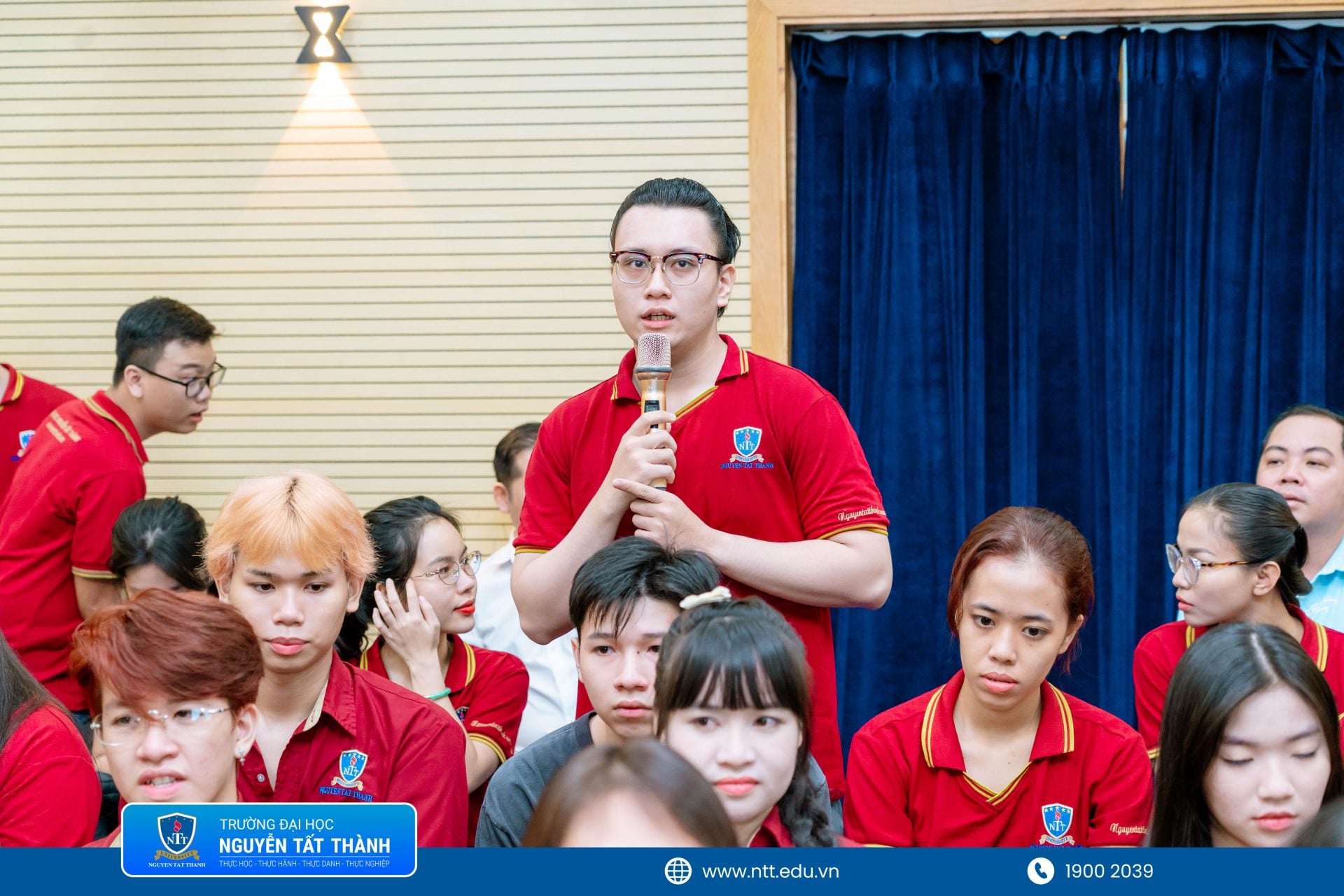
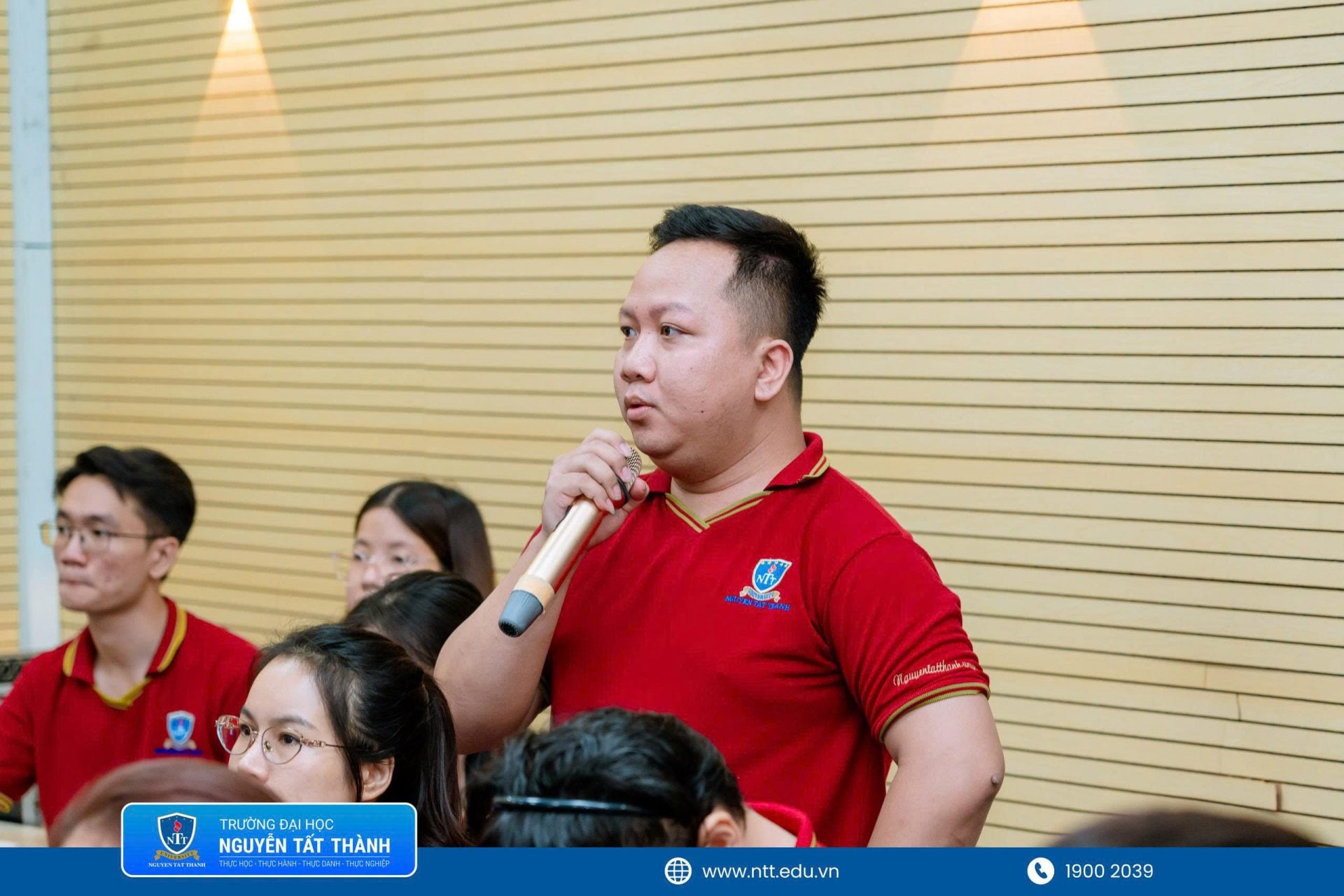

Faculty members addressed students’ concerns regarding AI application in learning and creation, helping them better understand how to use technology appropriately according to their specialization while preserving artistic value and heritage identity
Increasing hands-on practice, beyond tool introduction
A notable highlight of the seminar was the group practice session. Each group was assigned a folk melody to perform tasks such as isolating vocals, creating music transcriptions, designing presentation slides, building illustrative images, or developing lesson ideas. Following the practical exercise, students presented their products for faculty feedback, while jointly analyzing the limitations and potential errors that may arise when using AI.
Through this activity, students not only gained access to new tools but were also required to check, cross-reference, and adjust outputs based on professional knowledge. This was also an emphasis by the Faculty of Performing Arts when integrating AI into academic activities: technology can support certain phases, but it cannot replace human evaluation competence and user responsibility.
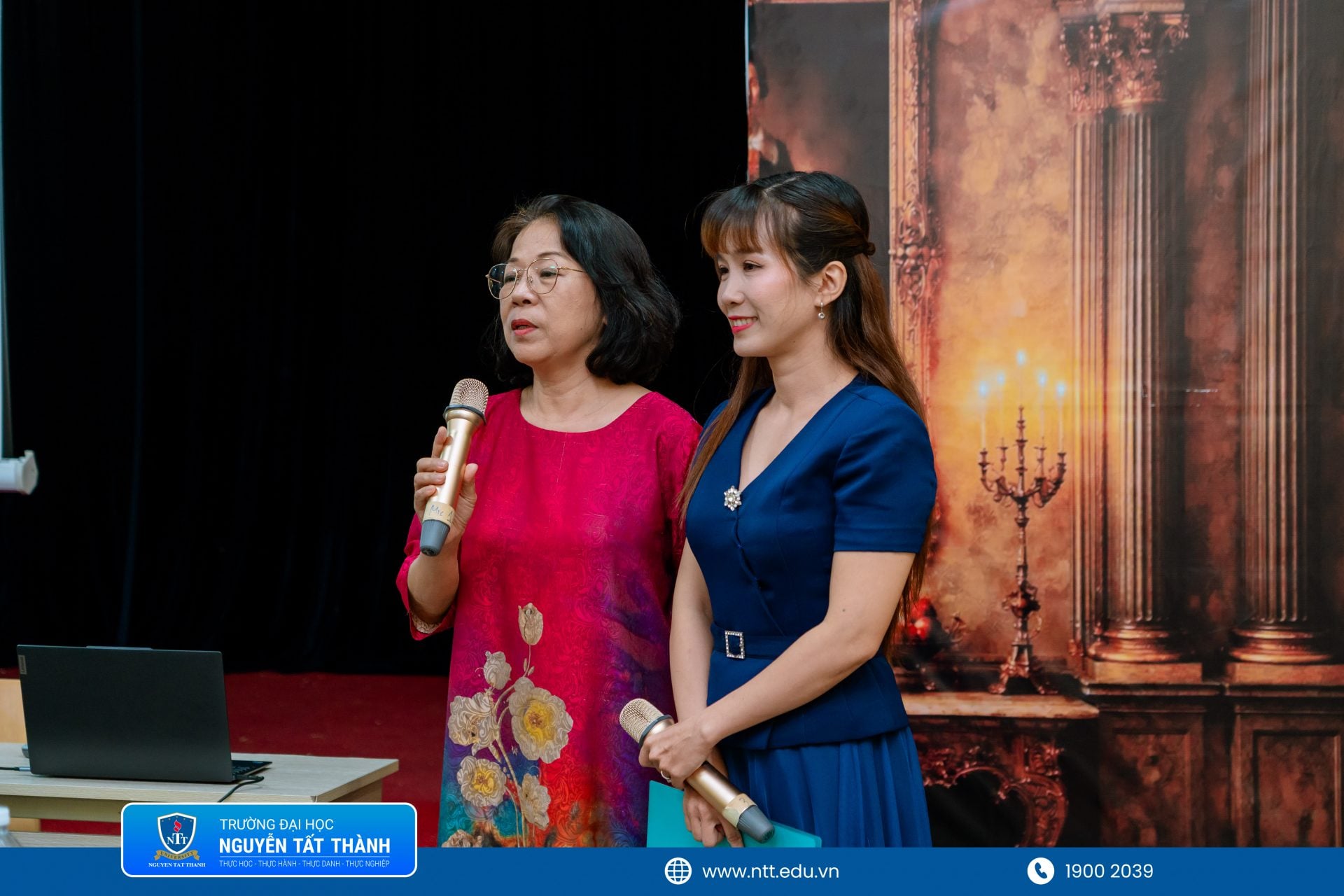
M.A. Meritorious Artist Nguyen Thi Anh Tuyet – Head of the Faculty of Performing Arts shared insights on AI’s role in innovating teaching methods, while emphasizing that technology cannot replace emotion, professional experience, and direct inspiration in arts training
AI supports expertise without replacing artistic competence
During the program, faculty members and students also discussed AI’s potential impact on oral tradition and improvisation elements in traditional music. Opinions indicated that AI can assist in archiving, restoration, systemization, and dissemination of materials, but the use of this technology must be grounded in professional expertise and respect for cultural identity.
M.A. Meritorious Artist Nguyen Thi Anh Tuyet stated that AI serves as a supporting tool in innovating pedagogical methods, but cannot replace emotions, professional experience, and the direct transfer of knowledge from lecturer to student. Learners must know how to select, verify, and utilize technology responsibly.
From a practical perspective, M.A. Tran Thi Ai Thuy shared that AI can help reduce time in steps such as noise filtering, vocal separation, material systemization, or courseware creation. However, AI-generated results serve primarily as reference materials and still require qualified professionals to evaluate and adjust to ensure accuracy as well as the cultural and historical integrity of traditional music archives.
After the session, Pham Khanh Duy – a vocal music student – shared that beyond using AI for information retrieval, students can leverage technology to isolate vocals, assist melody analysis, and outline practice schedules. Nguyen Minh Tam – a dance choreography student – also noted that AI has the capability to support searching for musical materials, building stage imagery, and presenting ideas; however, performance techniques, physical emotion, and direct rehearsal processes remain irreplaceable elements.
Through the seminar, the Faculty of Performing Arts is step-by-step introducing new tools into educational activities aligned with professional standards and enhanced practical experiences. Accessing AI not only helps NTTU students expand their learning and creative support tools, but also contributes to building their capacity to select, verify, and apply technology appropriately to the distinct characteristics of the performing arts field.
Article by: Lecturer Nguyen Le Thanh Hai – Faculty of Performing Arts
Photos: Media Team