
 Tiếng Việt
 Home
Home Introduction
 Announcements
 Student Essential
 Event attendance lists
Recently, at Campus 298A, the Faculty of Pharmacy at Nguyen Tat Thanh University collaborated with Davipharm – a member of Adamed Group (Poland) to organize the Career Talks 2026 program. From operating EU-GMP compliant manufacturing plants to the journey of bringing products to market and HR development, the program helped students understand how different departments within a pharmaceutical enterprise interconnect, while identifying essential competencies needed for various career paths.
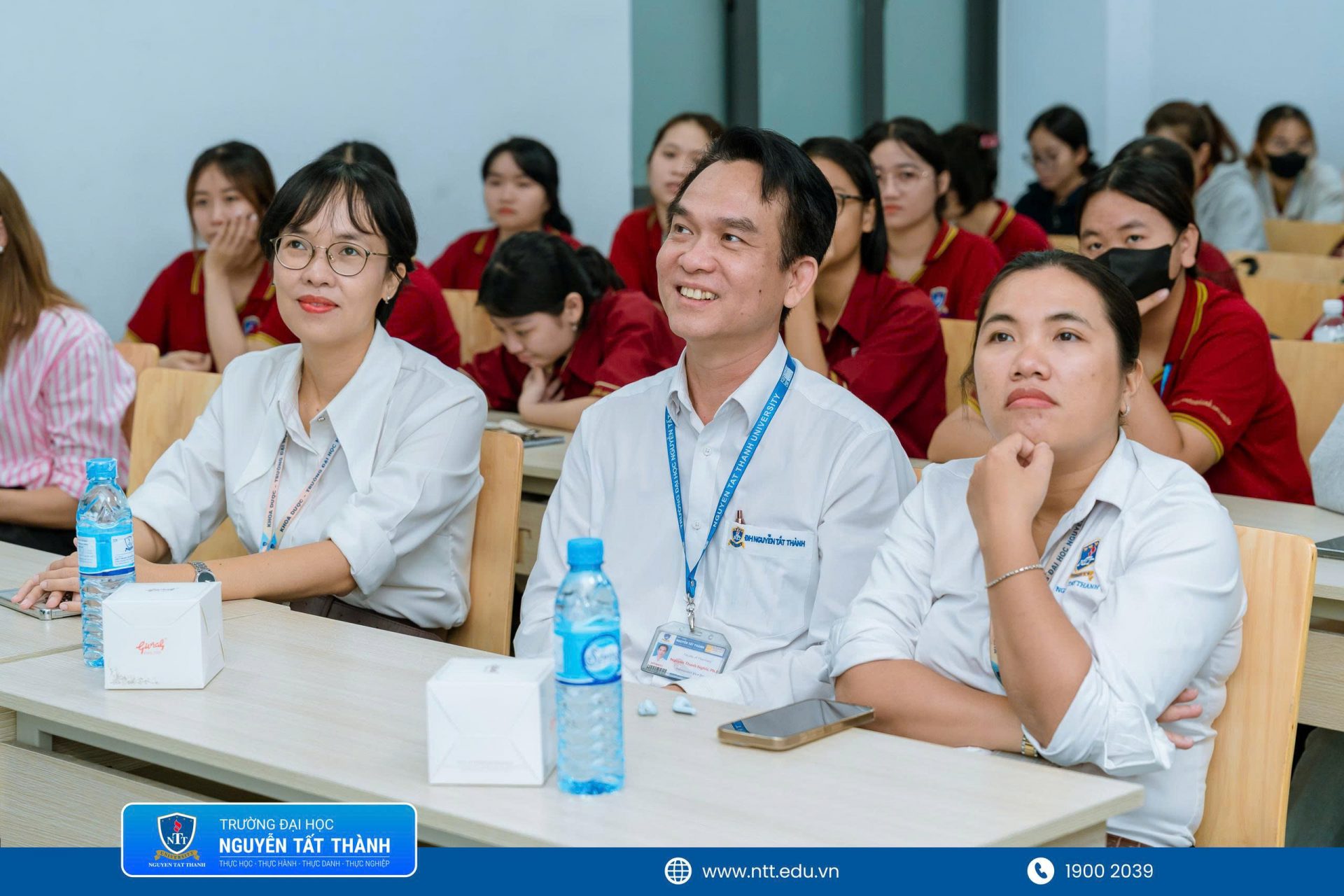
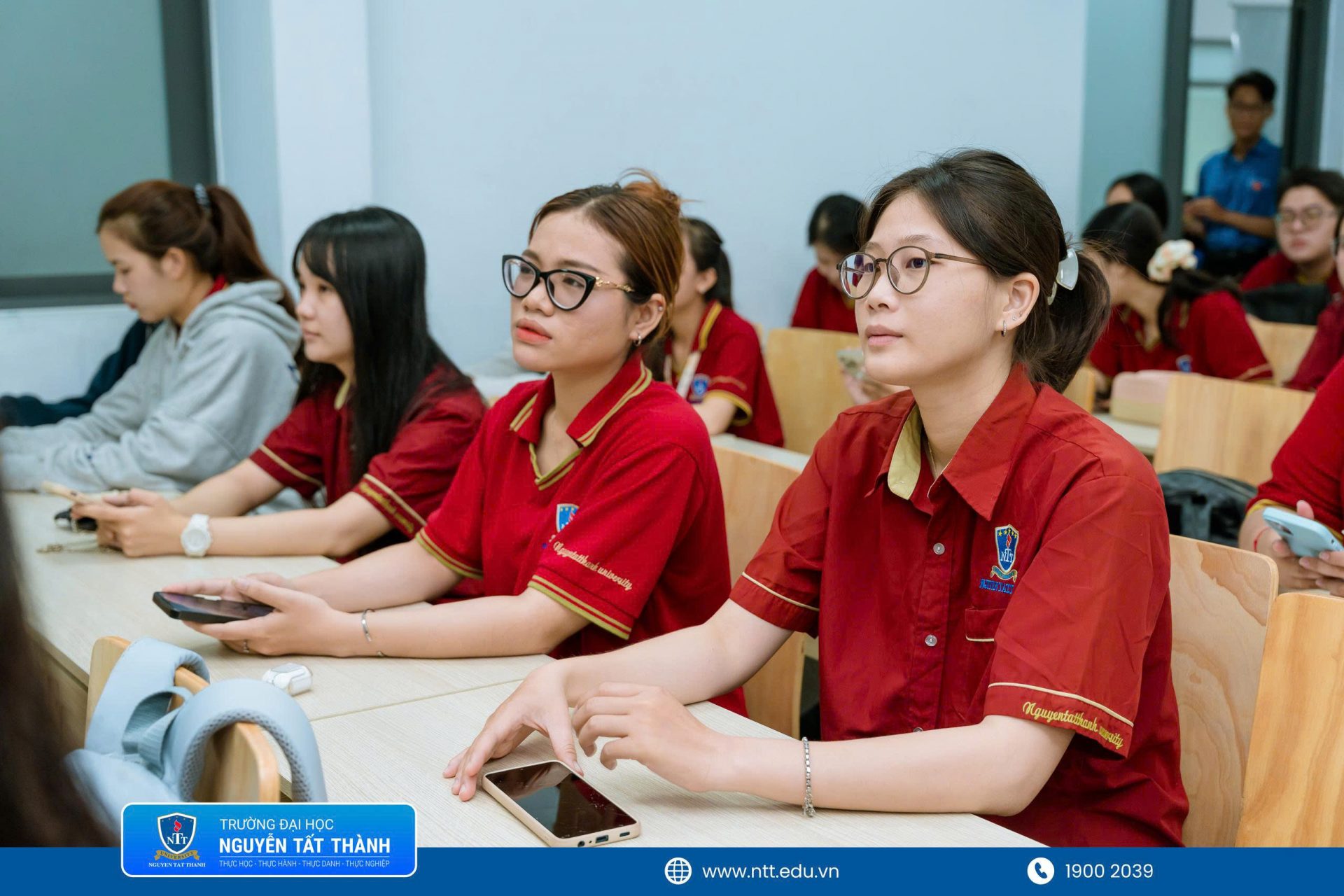
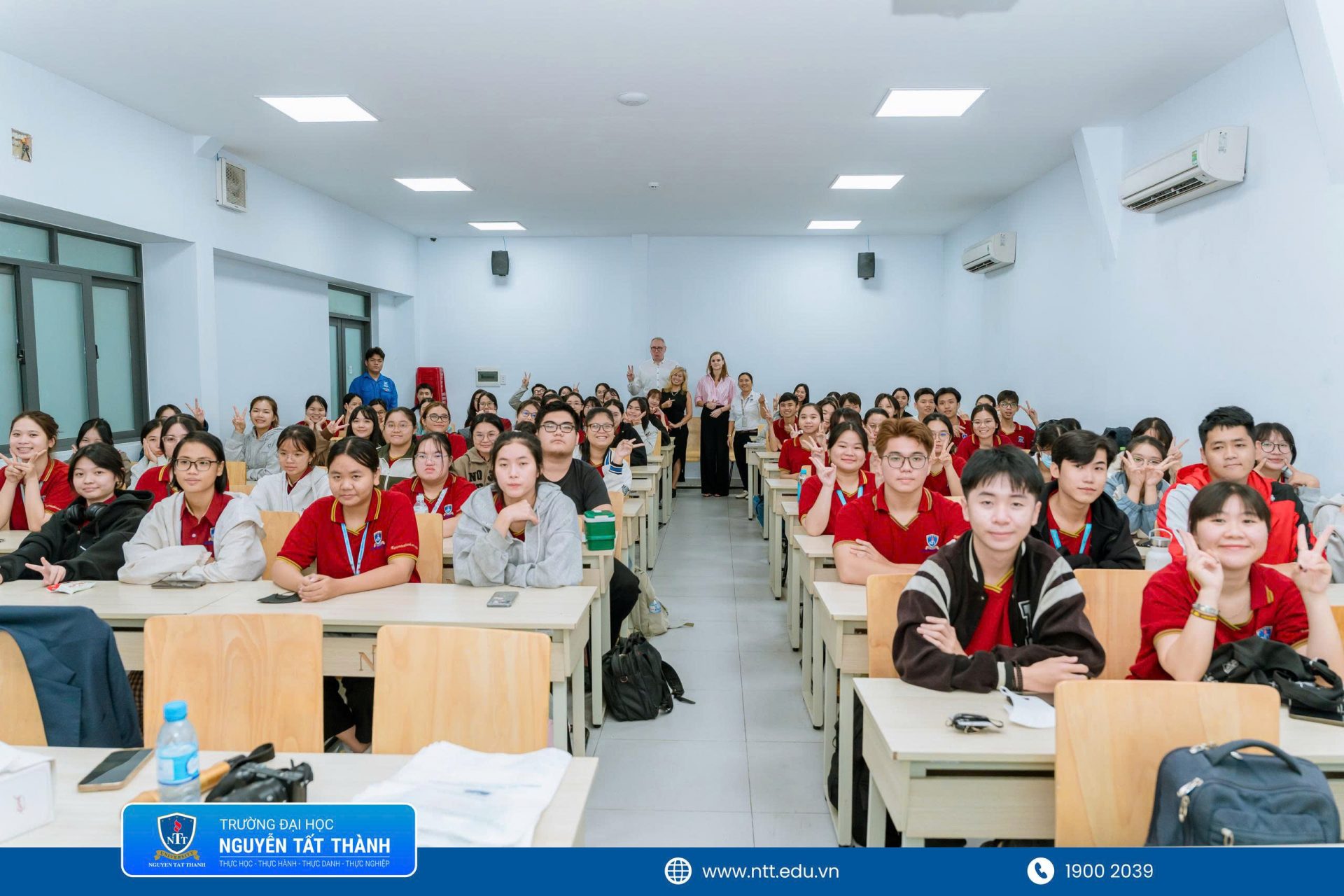
Career Talks 2026 attracted a large number of faculty members and Pharmacy students, broadening opportunities to engage with experts, gain real-world industry insights, and proactively build professional competencies right from university
The panel speakers featured Mr. Wojciech Damian Makowski – Operations Director of Davipharm; Ms. Truong Quoc Huong – Commercial Director of Davipharm; and Ms. Ewa Kubica – HR Director of Davipharm.
Representing the Faculty of Pharmacy at Nguyen Tat Thanh University were Dr. Nguyen Thanh Nghia – Permanent Vice Dean; Dr. Phan Thien Vy – Vice Dean; and MSc. Ngo Ngoc Anh Thu – Head of the Department of Pharmaceutical Business Management, alongside faculty lecturers and students.
The three sharing sessions were structured around the lifecycle of a pharmaceutical product—from plant operations and product delivery to end-users, to human resource development. This approach helped students understand that each job role does not function in isolation but is interconnected with multiple departments across the enterprise.
According to Dr. Nguyen Thanh Nghia – Permanent Vice Dean of the Faculty of Pharmacy, university-industry collaboration should not stop at introducing job openings, but must become an integral part of preparing students for their future careers.
“What the Faculty of Pharmacy aims for is to help students understand where each position fits into the pharmaceutical product lifecycle, as well as the technical foundation, quality mindset, and professional attitude required for each role. By recognizing real-world demands, students can proactively adjust their learning plans, select relevant experiential activities, and choose appropriate internship opportunities.
Exchanges with industry partners also provide the Faculty with valuable grounds to benchmark training content against practical needs, ensuring that graduates can not only fulfill initial job requirements but also possess the capacity to adapt and develop sustainably in their long-term careers,” Dr. Nguyen Thanh Nghia shared.
EU-GMP: Quality Built from Every Single Process
Opening the technical session, Mr. Wojciech Damian Makowski guided students through the operations of a pharmaceutical plant from an operational perspective. With over 20 years of experience in the pharmaceutical industry, he has held management positions at Fresenius Kabi, Sandoz (Novartis Group), and Teva, specializing in operations management, process optimization, lean manufacturing, and quality assurance according to EU-GMP standards.
Through his session, drug manufacturing activities were presented as a coordinated effort among production, quality control and quality assurance, engineering, supply chain, technology transfer, and data governance. Each unit assumes a specific function, yet all share the common objective of maintaining product quality and ensuring patient safety.
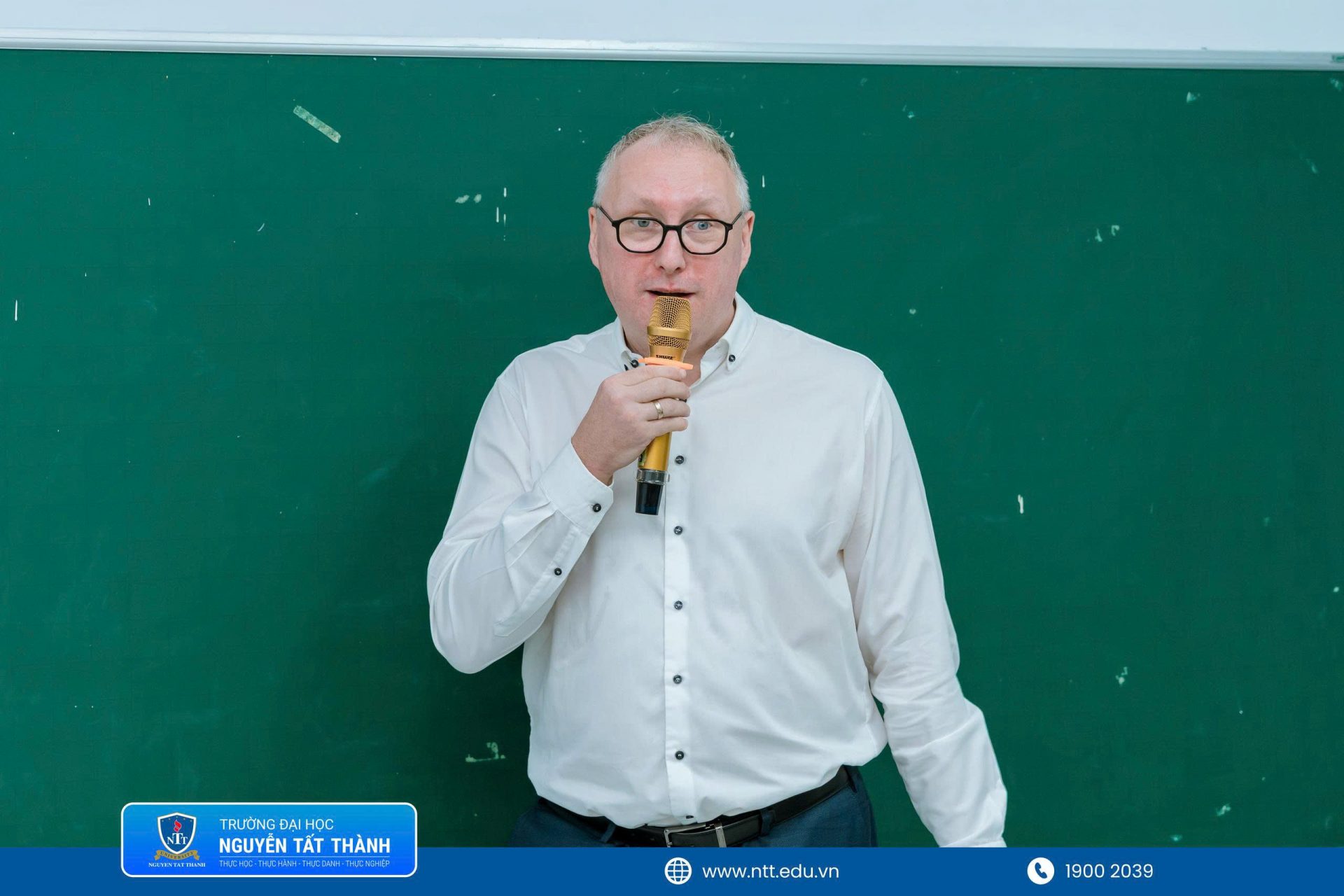
Mr. Wojciech Damian Makowski – Operations Director of Davipharm sharing about pharmaceutical plant operations and requirements for maintaining EU-GMP standards
To meet EU-GMP standards, enterprises need to establish four core pillars: a quality culture; suitable facilities and machinery; a skilled workforce; and the application of technology alongside advanced management tools. This demonstrates that quality is not merely controlled at the final stage, but must be built and maintained throughout the entire operational process.
To sustain this system, companies concurrently deploy quality management, internal audits, equipment and data control, environmental monitoring, deviation handling, maintenance, calibration, and staff training. The rigorous control of documentation, machinery, environment, and data underscores that precision is required consistently across all pharmaceutical plant operations.
Beyond drug knowledge, plant personnel must understand standards, strictly follow SOPs, record complete data, and collaborate seamlessly across departments. From this practical perspective, students can draw connections to academic modules on manufacturing, quality control, quality assurance, data management, and regulatory compliance, while preparing their professional demeanor, discipline, and responsibility prior to entering internships.
Tracing a Pharmaceutical Product: Expanding the Career Map
Moving beyond the manufacturing environment, Ms. Truong Quoc Huong’s presentation led students through the journey of a pharmaceutical product, starting from patient needs, progressing through research and development, stability testing, clinical trials, dossier completion, registration, and regulatory approval. Once launched into the market, the product further undergoes distribution, hospital or pharmacy access, medical information provision, and post-marketing surveillance. This entire lifecycle can span many years and requires the joint effort of various professional teams.
This approach broadened students’ perspectives regarding the scope of pharmacy careers. In addition to retail pharmacies, hospitals, and healthcare facilities, learners can explore corporate roles such as product R&D, regulatory affairs, production, supply chain, quality assurance, quality control, and pharmacovigilance.
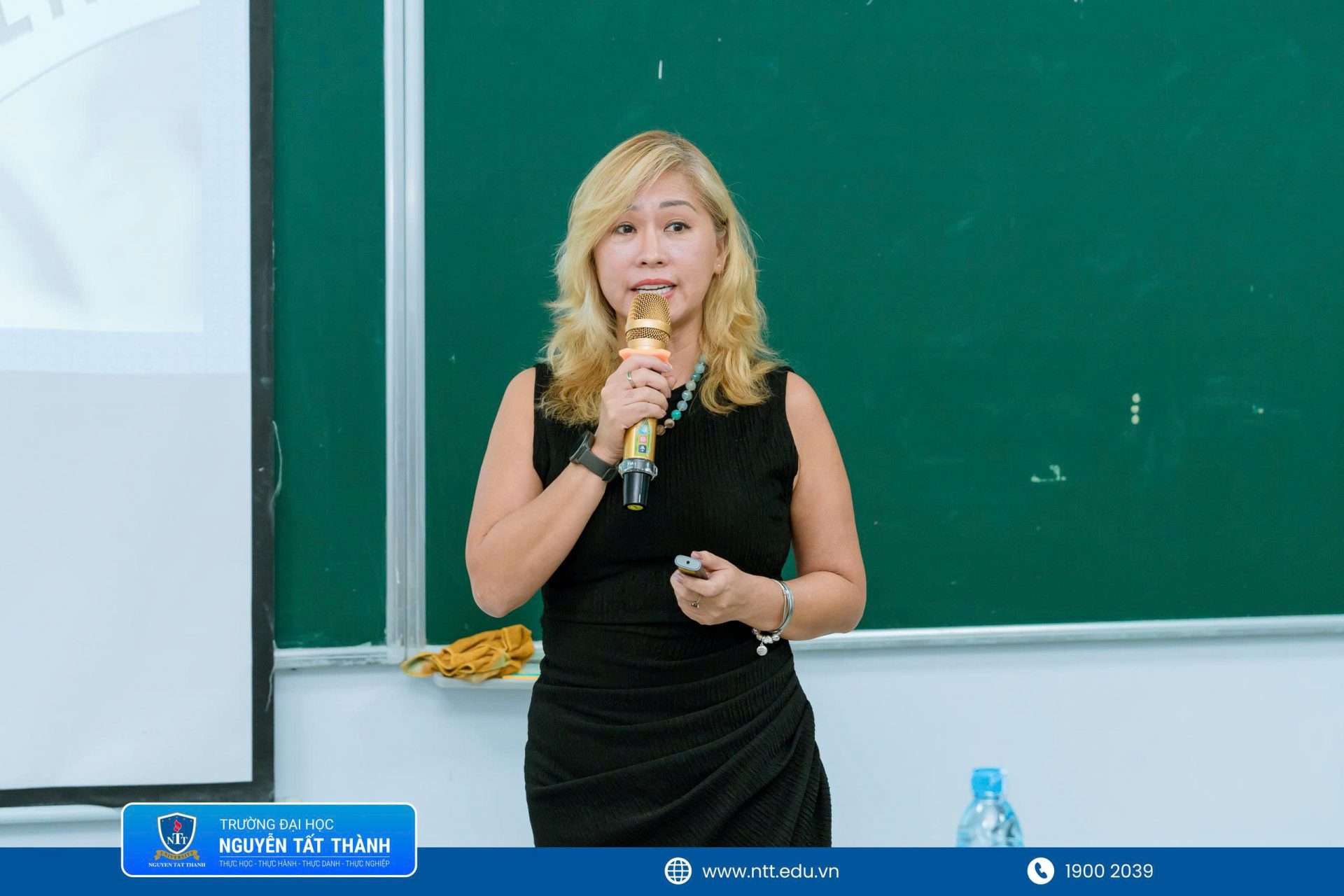
Ms. Truong Quoc Huong – Commercial Director of Davipharm introducing the journey of bringing a pharmaceutical product from R&D to end-users
Within commercial and market divisions, highlighted career directions included medical representatives, product managers, marketing specialists, trainers, customer care representatives, and data analysts. Students were also introduced to roles in medical information, business development, market access, public relations, and corporate communications.
These positions do not operate in silos. Prior to manufacturing, products require research, evaluation, and regulatory filing; post-launch, they depend on distribution, information dissemination, feedback collection, and safety monitoring. Every department handles a distinct phase of work while simultaneously generating the data and foundation required for other units to carry out their duties.
From these presented career streams, students can reflect on their personal knowledge, strengths, and experience to explore suitable career directions in greater depth. Career orientation can thus begin right on campus through elective selections, participation in professional activities, industry engagement, and targeting internships aligned with personal career goals.
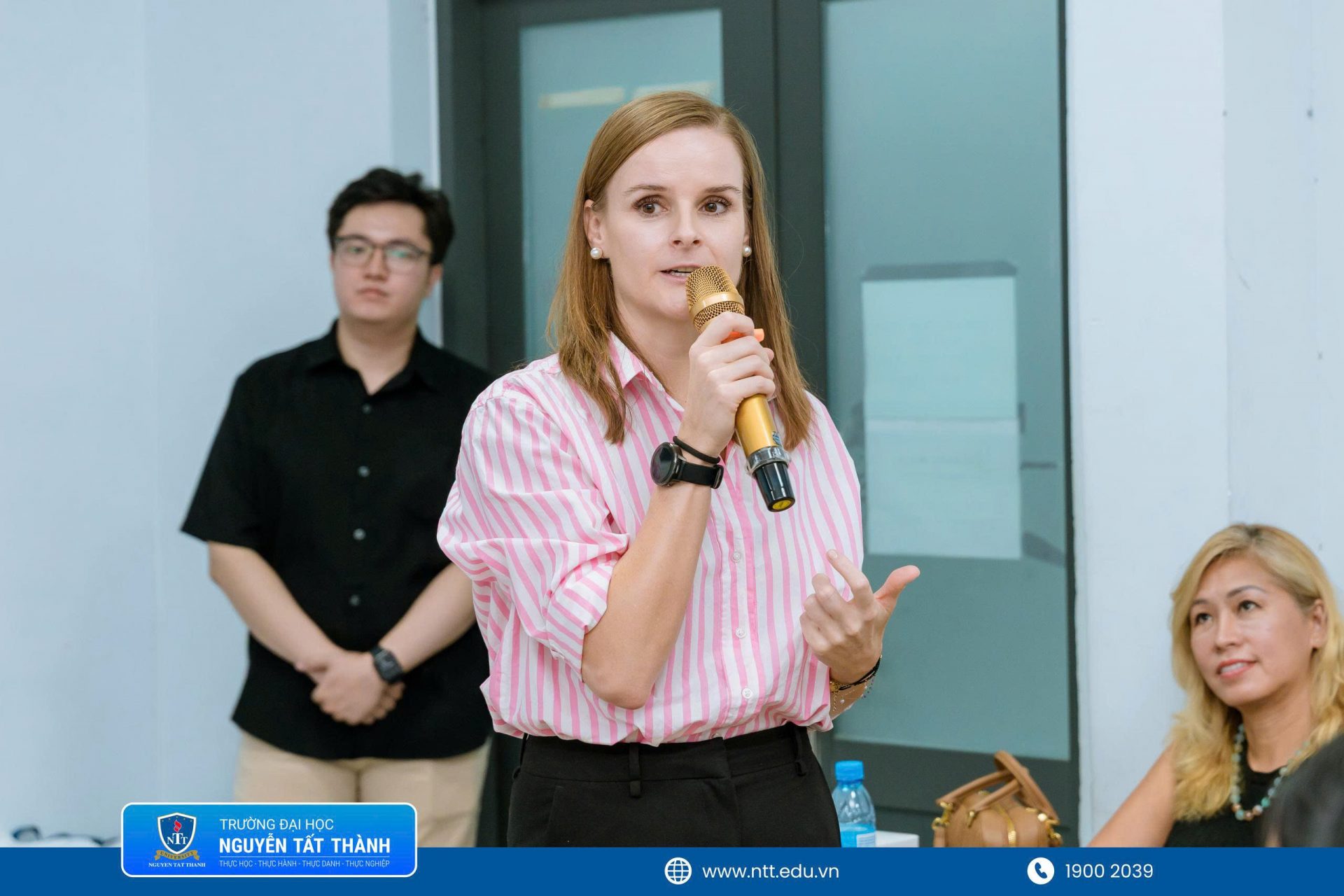
Ms. Ewa Kubica – HR Director of Davipharm sharing insights on working environment, internship opportunities, and career growth pathways in pharmaceutical companies
Integrating Industry Insights into Career Preparation
In the final session, Ms. Ewa Kubica presented the job structure and development pathways for talent within pharmaceutical enterprises. Career paths are built across multiple tracks—from management and technical specialists to supporting functions. Employees’ growth is reflected not only through job titles but also in connection with their competencies, experience, and scope of responsibility at each stage.
Introduced talent development formats included internal and external training, on-the-job learning, job rotation, project participation, language training, and postgraduate education. Companies also establish individual development plans and specialized management development programs.
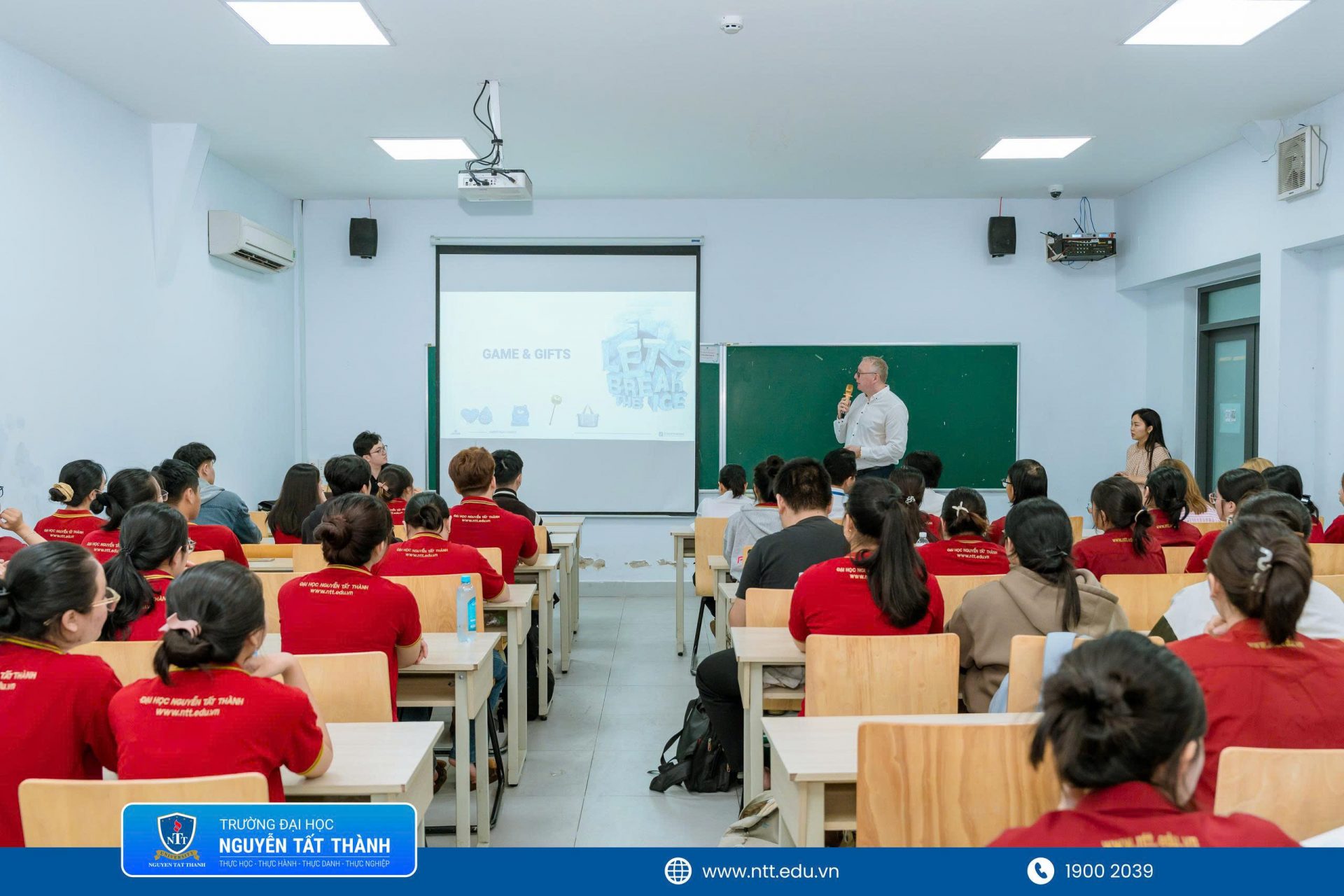
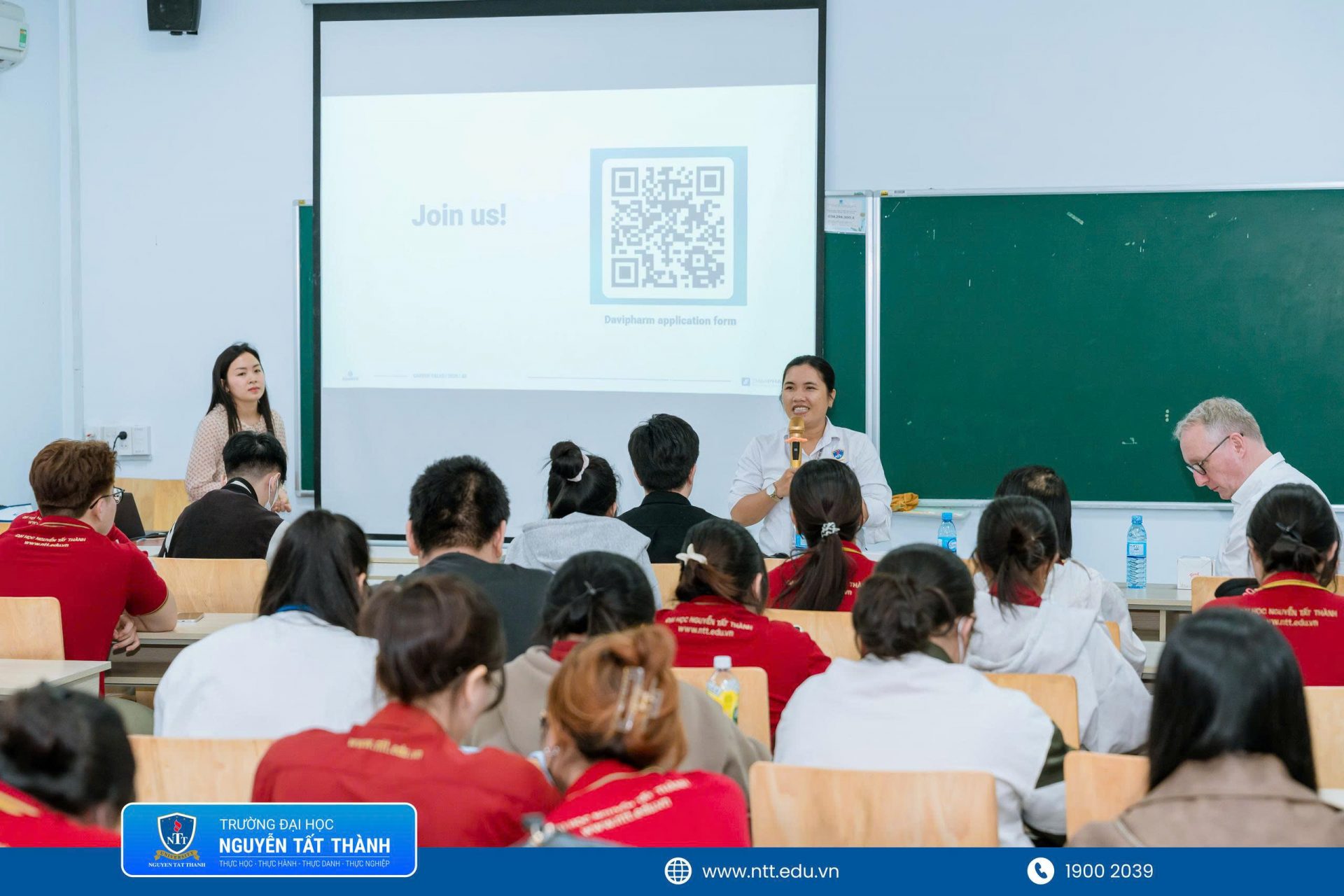
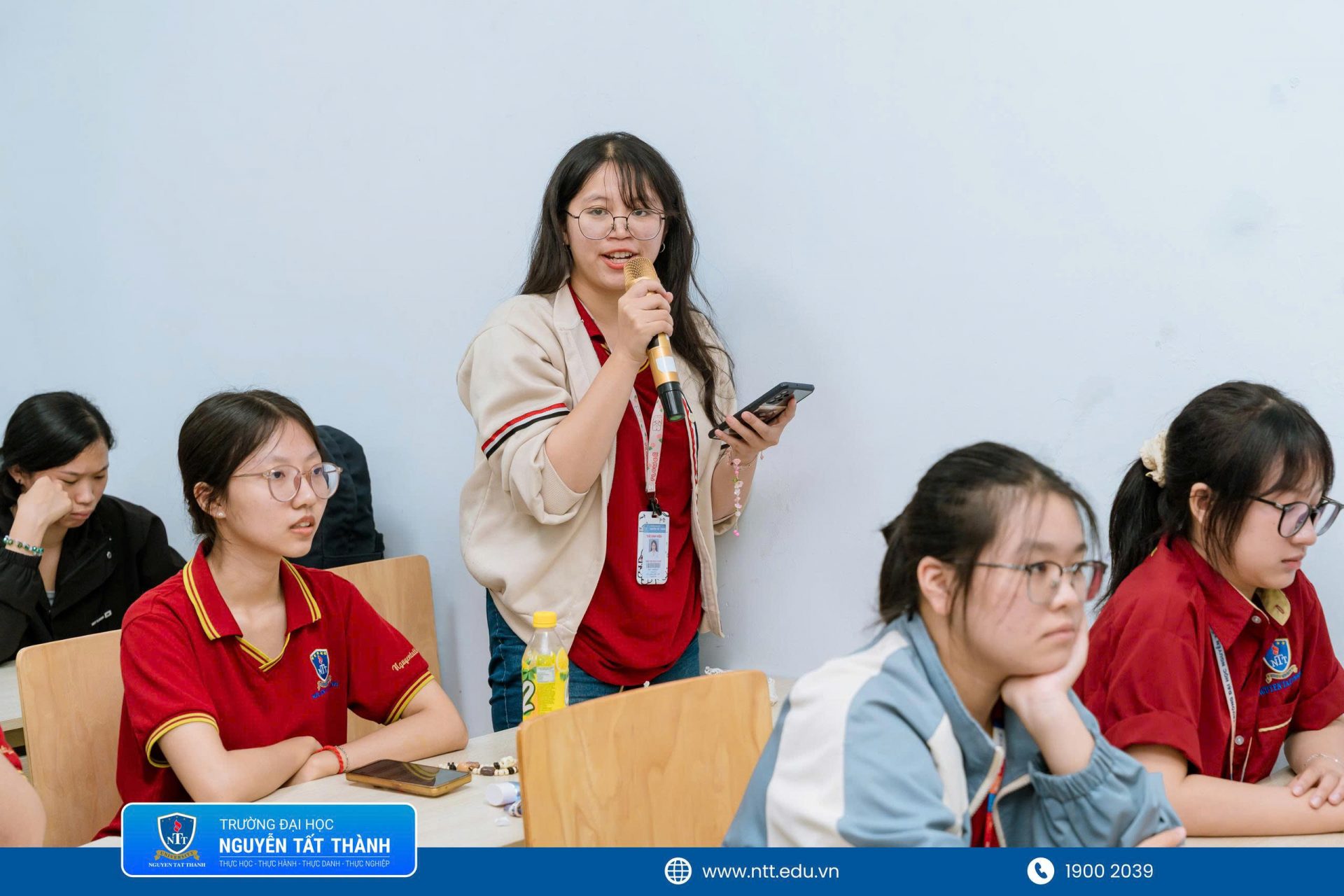
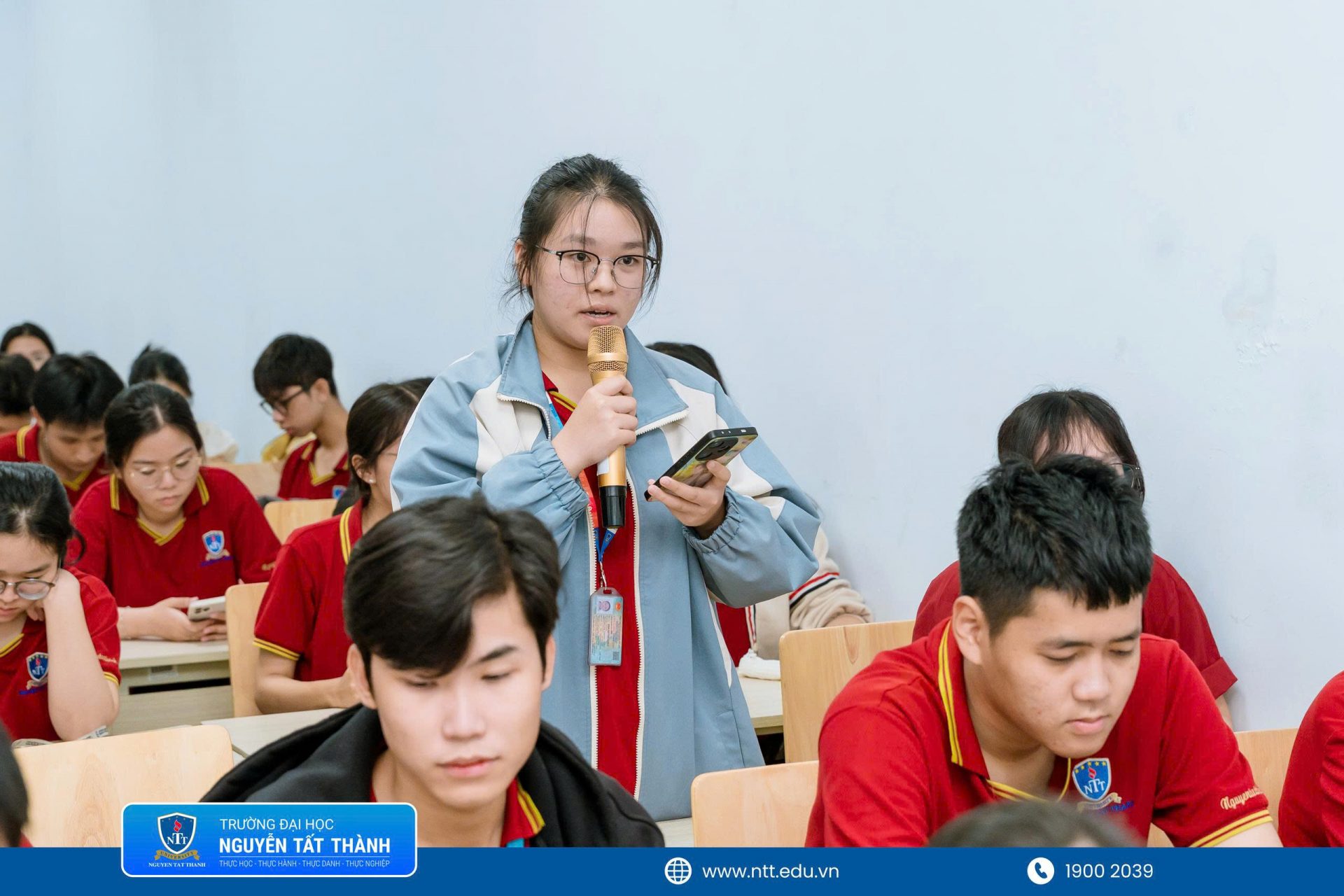
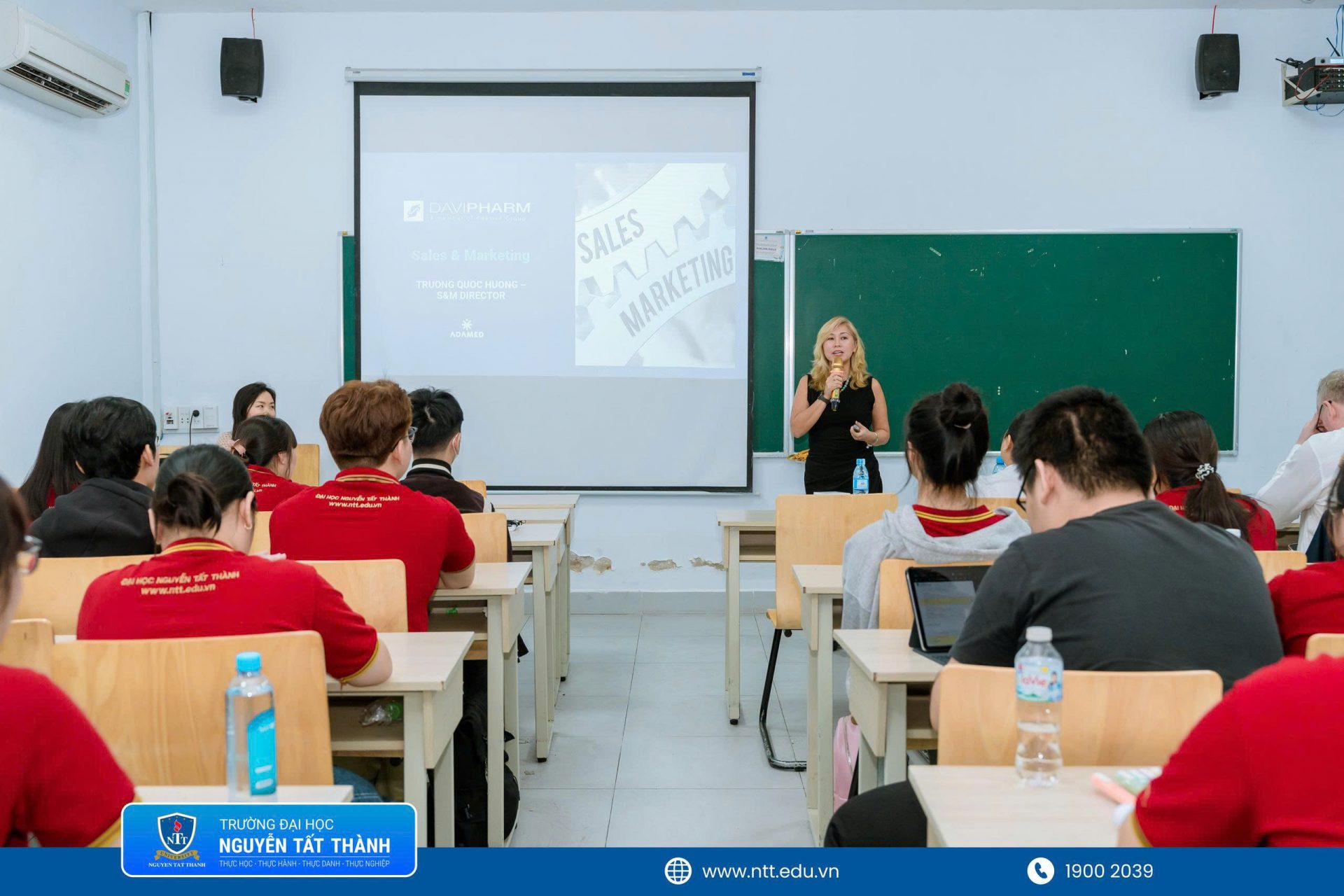
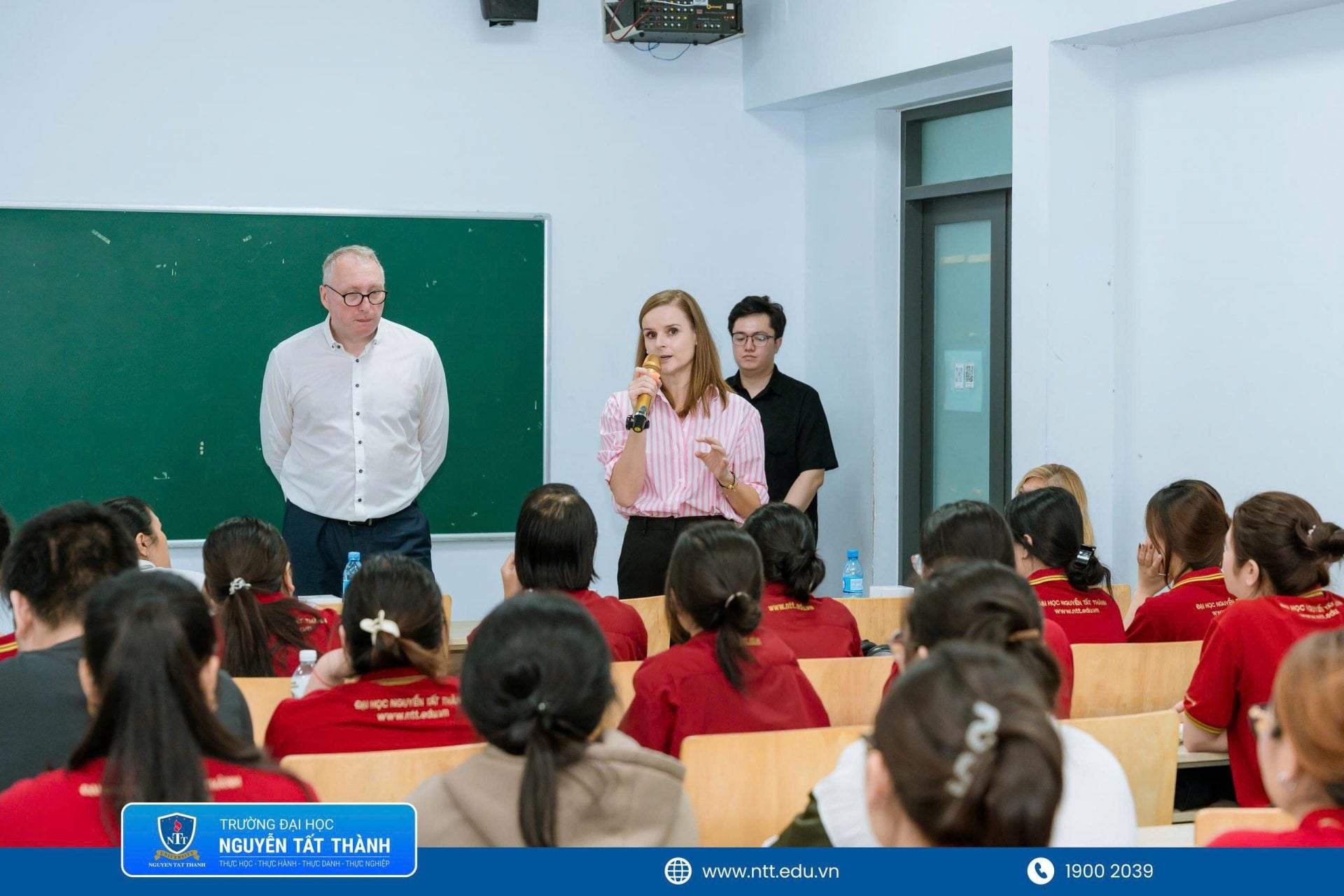

Students engaging in direct discussions, asking questions, and receiving answers from speakers regarding role selection, internship orientation, and essential competencies to prepare before graduation
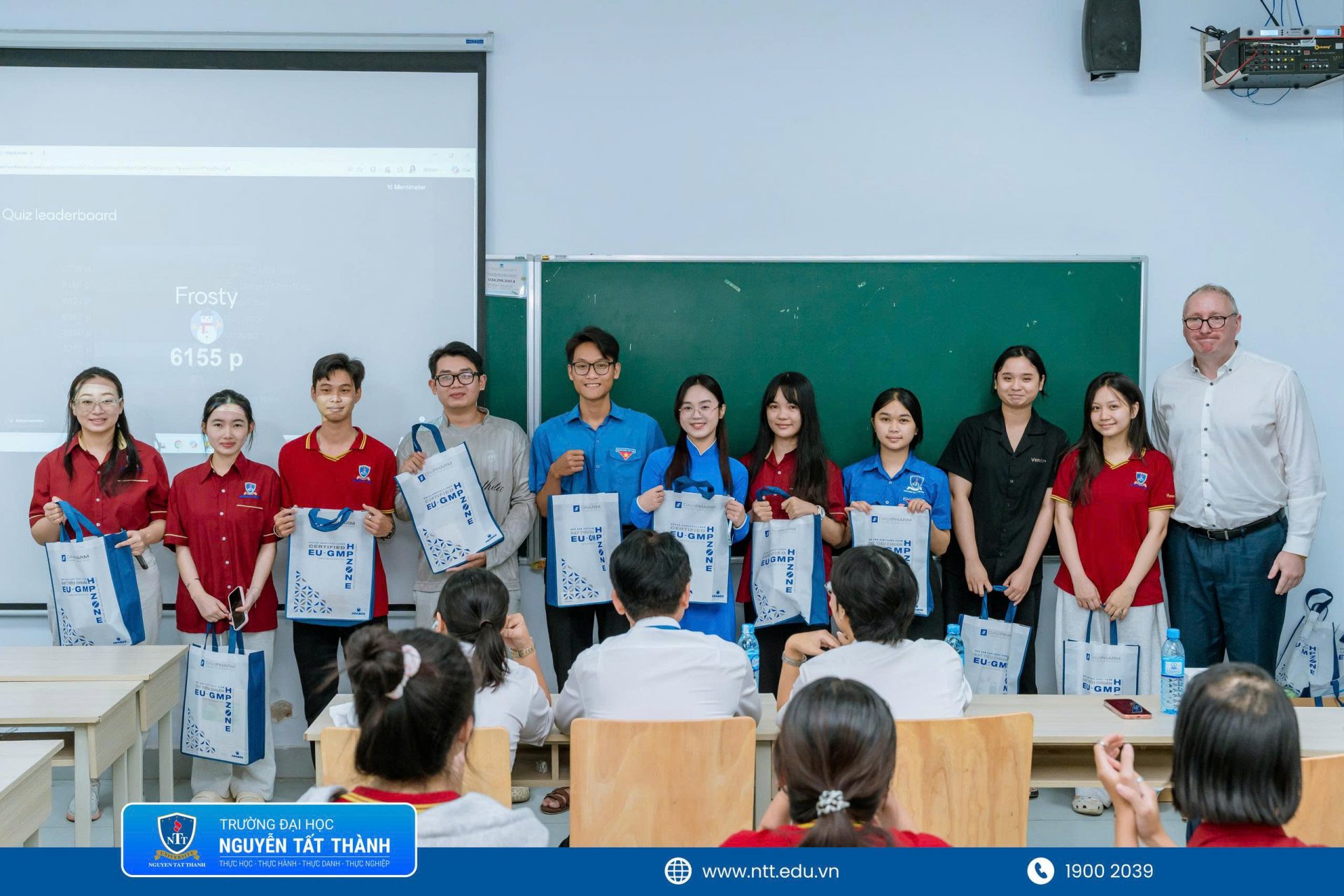
Davipharm representatives presenting souvenirs to attending NTTU students at Career Talks 2026, fostering an interactive and engaging atmosphere between the enterprise and learners
For students and recent graduates, early engagement with corporate environments can start through internships, factory tours, vocational training programs, career seminars, and job fairs. These activities enable learners to observe how enterprises organize operations, interact with real-world workflows and data, and gain a clearer understanding of individual departmental expectations.
During the interactive Q&A session, students raised questions to the speakers regarding position choices, internship planning, and pre-graduation preparations. Insights shared across operations, sales & marketing, and human resources helped learners view pharmacy careers from multiple dimensions rather than relying solely on job titles or descriptions.
Career Talks 2026 enabled NTTU Pharmacy students to better understand the interconnected relationships between production activities, market development, and HR management within pharmaceutical enterprises. Armed with practical insights, students have acquired a solid basis to identify job-specific requirements, allowing them to proactively prepare academic knowledge, practical skills, and tailored internship plans.
By: Cam Thach
Photos: Media Team